
Vandaag of morgen in huis

Kwaliteit gegarandeerd

Welkomstaanbiedingen ontgrendelen: GRATIS bezorging | Tot 80% korting | Gratis 30 dagen JoyPlus-proefperiode
Download de app
A good backpack is indispensable, whether you're cycling to work, studying, hitting the gym, or planning a weekend getaway. However, the market is flooded with options, and it's easy to fall for marketing claims that don't hold up in practice. Many bags look great but fall apart after just a few months. Let's look at the most common pitfalls and how to choose a backpack that truly suits your needs.
Before you make a choice, it's important to know where things often go wrong. A bag that seems perfect at first glance can have hidden flaws that only become apparent after a few weeks of use.
To avoid the problems above, focus on a few concrete specifications. These determine the lifespan and usability of your bag.
The fabric determines durability. Materials like polyester and nylon with a high denier rating (e.g., 600D) are abrasion-resistant and last longer. Pay specific attention to the finish: are the seams double-stitched, especially in high-stress areas like the shoulder straps? Also, check the zippers. Large, robust zippers from well-known brands like YKK are a good sign. For those who often cycle in the rain, a waterproof backpack with sealed seams or a special coating is a wise choice.
A backpack's capacity is expressed in litres. Here's what that means in practice:
For daily use, padded and adjustable shoulder straps are essential. They distribute weight evenly and prevent sore shoulders. A ventilated back panel with mesh material or air channels helps your back stay cooler and less sweaty, which is especially nice during a bike ride or walk. Both a men's backpack and a women's backpack can have these features, but the fit may differ.
Based on these criteria, we have selected a number of models that fit different user profiles.
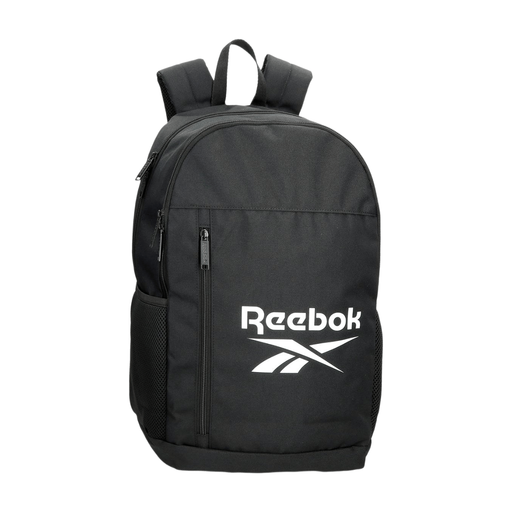
Why This Fits Their Persona: This backpack is designed for versatility. The two separate compartments make it easy to keep a laptop and documents separate from your lunch or gym clothes. Ideal for those going straight from work or class to another engagement.
Its durable construction is made for regular use, and the adjustable shoulder straps provide comfort, addressing the pitfalls of weak seams and discomfort.
Two spacious main compartments allow for clear organisation. The sporty, sleek look of this Reebok backpack suits both professional and casual outfits.
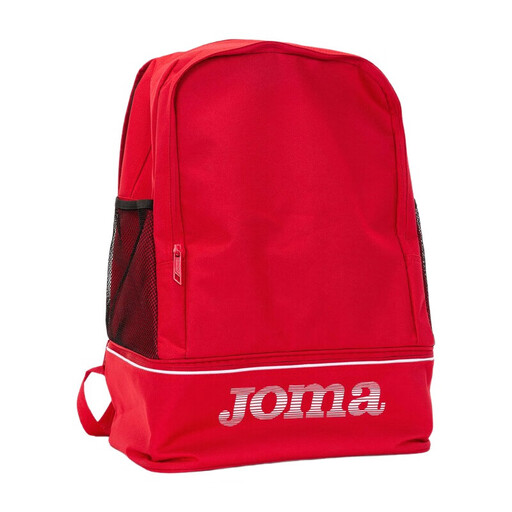
Why This Fits Their Persona: This bag is specifically designed for an active lifestyle. It's lightweight yet offers enough space for gym clothes, shoes, and a towel. The multiple pockets help keep sweaty clothes separate from clean items.
Made from durable polyester and equipped with ergonomic, padded shoulder straps. This prevents the discomfort of straps digging in, even when the bag is full.
Lightweight material that stands up to daily use. The bright colour and streamlined design make it a functional yet stylish gym bag.
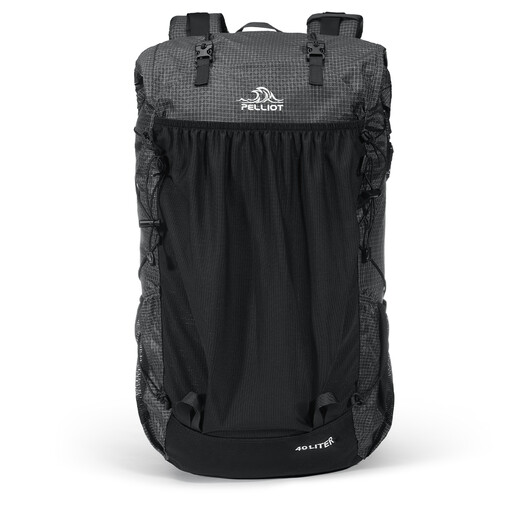
Why This Fits Their Persona: With a 40-litre capacity, this backpack is perfect for a 2 to 3-day trek or city break. It's designed for heavier loads and extended wear, with smart storage options for all your gear.
This model addresses all the common pitfalls. The built-in frame and hip belt distribute weight, maximising carrying comfort. The abrasion-resistant fabric and robust construction ensure a long lifespan.
The advanced suspension system, featuring a breathable back panel and a frame that transfers weight to the hips, makes carrying heavy loads significantly more comfortable.
We have compiled a complete, up-to-date list of products that meet these strict selection criteria and current regulations.
This depends entirely on your activity. As a rule of thumb:
A water-resistant backpack is treated with a coating that repels light rain. During a sustained or heavy downpour, water will eventually seep through, especially via the seams and zippers. A waterproof backpack is made of material that does not let water pass through and often has sealed or taped seams and waterproof zippers. These bags will keep your belongings dry, even in pouring rain.
Do not put your backpack in the washing machine; this can damage the coatings and the fabric. Clean stains with a damp cloth and mild soap. Let the bag air dry completely. Check the zippers occasionally and avoid overloading the bag to prevent excessive stress on the seams.
