
Vandaag of morgen in huis

Kwaliteit gegarandeerd

Welkomstaanbiedingen ontgrendelen: GRATIS bezorging | Tot 80% korting | Gratis 30 dagen JoyPlus-proefperiode
Download de app
As a parent, you want the best for your child, and that starts with daily care. The search for the right baby wipes can be overwhelming. The shelves are filled with packages promising to be ‘pure’, ‘natural’, and ‘gentle’. But what does that really mean? Many parents unknowingly fall into a few common traps, ending up with wipes that cause irritation, tear easily, or simply aren't worth the money.
Before you stock up on another value pack, it's worth considering these points:
baby wipes sale might seem like a smart purchase. But if the wipes are too thin, too dry, or come out of the pack in clumps, you end up using twice as many. What seems cheap quickly becomes expensive.To avoid a bad purchase, you can focus on a few concrete specifications. These are often right on the packaging, if you know where to look.
A baby's skin is thin and delicate. That's why the ingredients list (often labeled as INCI) should be the first thing you check. Look for wipes for sensitive skin that specifically state they are fragrance-free and alcohol-free. Products with a very short ingredients list, like the popular waterwipes which consist mainly of water, are often a safe choice for newborns and babies with sensitive skin. Brands like Pampers and Zwitsal also offer specific product lines that focus on this.
A good baby wipe needs to hold moisture well and not tear on the first swipe. The thickness and texture of the material are crucial here. More and more parents are consciously choosing plastic-free baby wipes. These are often made from plant-based fibers, such as cellulose or cotton. Not only are they a more sustainable choice, but they also often feel softer on the skin. Check the packaging for claims like ‘100% plant-based fibers’ or ‘plastic-free’.
Wet wipes need to stay wet. Good packaging is essential, especially for bulk packs. Look for a sturdy closure, preferably a hard plastic lid. This seals the package airtight and prevents the wipes from drying out, ensuring the last wipe in the pack is just as fresh as the first.
Based on these criteria, we have highlighted a few products that suit different needs and budgets.
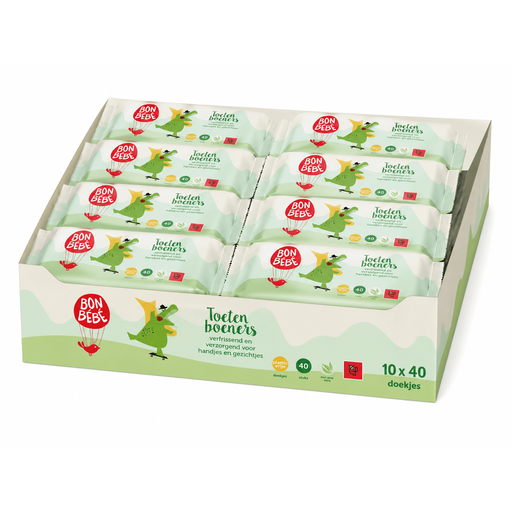
Why This Fits Their Persona: This value pack offers a large supply for a competitive price. Ideal for parents who shop practically and on a budget, without compromising on basic skincare requirements.
This is more than just a special offer. The wipes are free of alcohol and fragrance and are enriched with aloe vera, which soothes the skin. It combines quantity with gentle care.
Advantage: Large quantity for a low price per wipe.
Pro: Dermatologically tested and suitable for sensitive skin.

Why This Fits Their Persona: For parents of newborns or babies with extremely sensitive skin who don't want to take any risks. The minimalist formula provides peace of mind.
These wipes completely bypass the 'natural' trap. According to the manufacturer, they consist of just two ingredients: 99.9% purified water and a drop of fruit extract. No hidden chemicals.
Advantage: Extremely pure formula, suitable from birth.
Pro: Helps prevent diaper rash and is pH-balanced for skin.
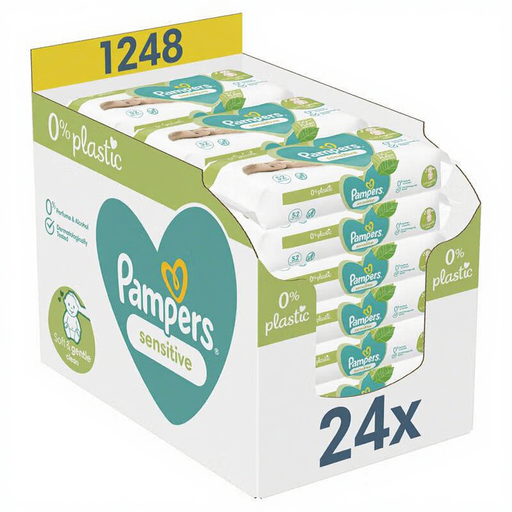
Why This Fits Their Persona: For the parent who wants to make a conscious choice for the environment without sacrificing trusted quality and softness for sensitive baby skin.
These wipes are explicitly plastic-free and made from 100% plant-based fibers. The formula is also free of alcohol and fragrance, minimizing the risk of irritation.
Advantage: Made from 100% plant-based fibers (0% plastic).
Pro: The unique formula helps protect the skin's natural pH balance.
We have compiled a complete, up-to-date list of products that meet these strict selection criteria.
Baby wet wipes are specially formulated for a baby's sensitive skin. They typically contain milder cleansing lotions and are free of harsh chemicals, alcohol, and fragrances that you might find in regular cleaning or toilet wipes. The pH is also balanced for a baby's skin to help prevent irritation.
The key is an airtight container. Opt for packs with a hard, resealable lid instead of a simple adhesive strip. Store opened packs in a cool place, out of direct sunlight. If you buy in bulk, consider using a smaller, refillable dispenser for on-the-go use, so the main supply pack doesn't have to be opened as often.
From an environmental standpoint, yes. Traditional baby wipes often contain plastic (polypropylene), which is not biodegradable and contributes to plastic pollution. Plastic-free baby wipes are made from materials like wood pulp or cotton, which can break down over time. They can also be more comfortable for the skin, as these natural materials are often perceived as softer. Note: always dispose of wipes—even plastic-free ones—in the trash, never in the toilet.
