
Vandaag of morgen in huis

Kwaliteit gegarandeerd

Welkomstaanbiedingen ontgrendelen: GRATIS bezorging | Tot 80% korting | Gratis 30 dagen JoyPlus-proefperiode
Download de app
If you're expecting or have just welcomed a little one, you'll quickly find that the list of necessary supplies seems endless. One item that is always at the top of the list is muslin cloths. But what makes a good cloth, and which set is right for your situation? The choices can be overwhelming. This guide is designed to help you make a practical choice, free from marketing jargon. We'll break down the specifications of different types of baby muslin cloths so you know exactly what you're buying.
Before we dive into specific products, here are a few key points to consider that will help you make your choice.
A baby's skin is delicate, which is why the material of your baby bath linens is so important. Most muslin cloths are made from 100% cotton. This material is naturally soft, breathable, and highly absorbent. You will also often see the term muslin cloths. This refers to the specific weave of the cotton, which makes the fabric light and airy. A soft baby towel made of cotton or muslin is a reliable choice for daily care.
Muslin cloths come in various sizes. Large sizes, like a muslin bath towel of 70x140 cm, are ideal for wrapping your baby after a bath. Smaller cloths are useful as burp cloths, changing mat liners, or for on the go. A baby towel set with different sizes can be a practical and cost-effective solution, especially when you're putting together your baby layette. It's also a popular item to give as a baby shower gift.
Absorbency is often determined by the number of layers in the fabric. Multi-layered cloths, for example with six layers, can absorb more moisture and often feel thicker and more luxurious. A key benefit of a quality cotton baby towel is that it tends to get even softer with every wash. Pay attention to the care instructions to ensure the cloths last a long time.
Below is a selection of products that stand out for their specifications and composition.
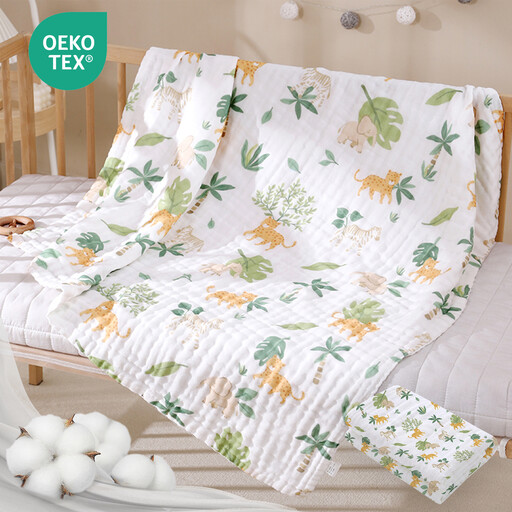
Why It Stands Out This set combines two essential sizes: a large bath towel and a smaller hand towel. The cloths feature a six-layer design, which the manufacturer claims ensures high absorbency.
Benefits
Who Is This For? For parents looking for a functional starter set. The combination of a large and small cloth makes this set versatile for both bath time and daily care.
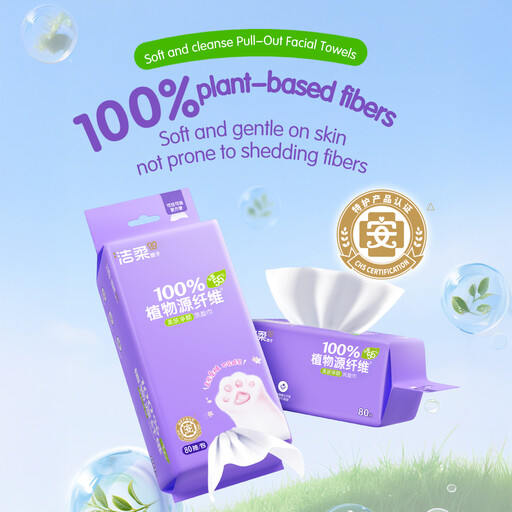
Why It Stands Out This isn't a traditional muslin cloth, but a practical alternative for specific situations. These disposable wipes are designed for hygienic and quick use, for both the baby's face and the parents'.
Benefits
Who Is This For? For parents who are often on the go and need a quick, hygienic solution. Also useful as an alternative to washcloths during diaper changes.
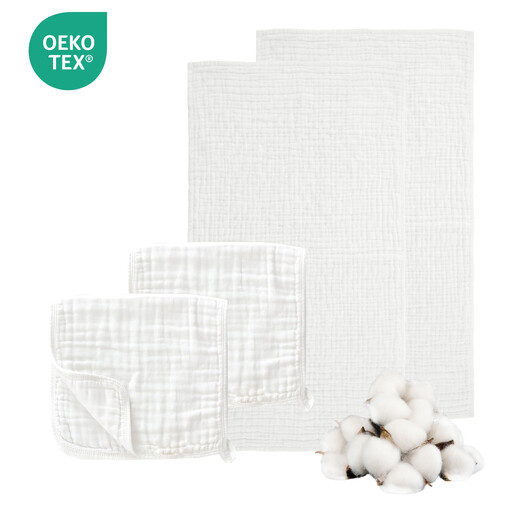
Why It Stands Out This comprehensive baby towel set provides a complete foundation for your baby layette. With two large bath towels and two smaller washcloths, you'll have a great stock right away.
Benefits
Who Is This For? For parents who want to stock up all at once. Also an excellent choice if you're looking for a practical and complete baby shower gift.
Every baby and parent has different needs. If the options above aren't exactly what you had in mind, there are many more possibilities available. Different materials, sizes, and prints might better suit your style or preferences.
Discover more beautiful cloths and baby linens
What are muslin cloths used for? Muslin cloths are extremely versatile. You can use them to dry your baby after a bath, as a liner on the changing mat, as a burp cloth over your shoulder, as a sunshade over the stroller, or even as a light blanket on warm days.
How many muslin cloths do you need? This depends on how often you use them and how often you do laundry. A common recommendation is to start with about 10 to 15 cloths. This ensures you always have a few clean ones on hand while the rest are in the wash.
Is there a difference between "hydrophilic" and muslin cloths? The terms are often used interchangeably. Both refer to a lightweight, breathable, and absorbent cotton baby towel. "Hydrophilic" means "water-attracting," which describes the function of the cloth. Muslin is the name for the specific, loosely woven cotton fabric that many of these cloths are made from. In practice, you can assume they serve the same purpose.
