
Vandaag of morgen in huis

Kwaliteit gegarandeerd

Welkomstaanbiedingen ontgrendelen: GRATIS bezorging | Tot 80% korting | Gratis 30 dagen JoyPlus-proefperiode
Download de app
Asian jelly snacks are popular for their soft texture, fruity flavours and convenient portions. The range includes fruit jelly, konjac jelly, jelly pudding, nata de coco, mochi and other Asian sweets. Yet one jelly snack can often seem much like another, even when it is not. If you focus only on the packaging or a flavour name, you may end up buying a product that does not suit your preferred texture, dietary choices or intended occasion.
A product containing few calories per 100 millilitres may still contain a sweetener you would rather avoid. So do not look only at the energy value; also check sugars, sweeteners, carbohydrates and serving size. According to the supplied label, for example, Jelly B Konjac Jelly Lychee contains 3 kcal per 100 ml and 0 grams of sugar, while one pouch contains 150 ml.
The figures are different for fruit jelly with sugar. According to the product information, COZZO Fruit Jelly Sticks contains 104 kcal and 26 grams of sugar per 100 grams. That does not make it unsuitable, but it does make it more of a sweet treat than a low-calorie jelly snack.
Check the ingredients list and the percentage of fruit juice or fruit pulp. According to the product description, SHENG XIANG ZHEN White Peach Jelly Cup contains 8% white peach. The mandarin version contains 5% fruit juice. Yuki & Love Litchi Flavoured Jellies lists 2.8% lychee juice, along with apple juice and lychee flavouring.
The flavour may therefore be determined more by flavourings than by fruit. This is particularly important if you are specifically looking for lychee jelly, mango jelly or grape jelly with a clear fruit component.
A pouch of drinkable konjac jelly is not the same as a jelly cup or pudding. Konjac snacks are usually soft and elastic, and are eaten straight from the packaging. Jelly cups often come with a spoon and offer a fixed portion. Nata de coco also contains small, firm cubes of coconut jelly.
Pay attention to warnings, too. Some compact jelly products may pose a choking risk to young children. According to the product information, Jele Double Jelly states that the product is not suitable for children under three years of age. Always read the label and instructions for use.
The gelling agents used determine the bite. Konjac powder often gives a smooth, elastic texture. Carrageenan, gellan gum, xanthan gum and locust bean gum may be used together to control firmness. A fruit jelly containing E407 may feel softer or more pudding-like than a konjac pouch.
If you prefer a pronounced bite, look for konjac jelly or products containing pulp. If you are after a soft dessert texture, jelly pudding, fruit jelly or mochi may be a better choice.
Always compare nutritional values per 100 grams or millilitres and per pack. A multipack containing six cups is convenient for sharing, but contains more product overall than an individual pouch.
Look out for the following terms:
The information on the packaging takes precedence. Product compositions and nutritional values may change.
Individually wrapped sticks and pouches are practical for school, the office or on the go. COZZO Fruit Jelly Sticks consists of 12 individually wrapped sticks weighing 20 grams each. A multipack of jelly cups may be more convenient at home or for a family. The SHENG XIANG ZHEN variants contain six 180-gram cups.
Store jelly snacks according to the instructions. Many products can be kept unopened in a cool, dry place, while opened cups or pouches should be refrigerated and eaten within the stated period.
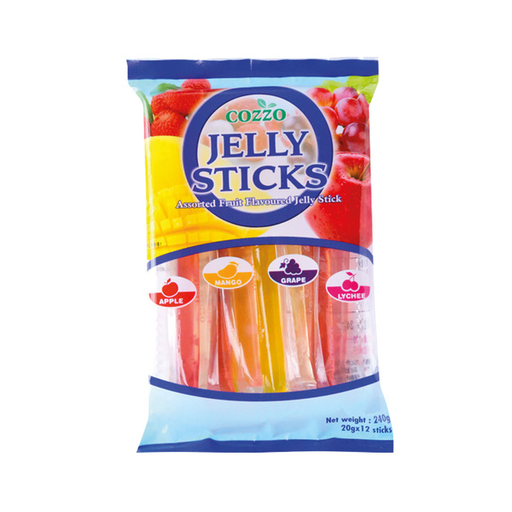
Why it suits this profile: The box contains 12 individually wrapped sticks in a range of fruit flavours, including mango, lychee, apple and grape. This lets you try several varieties without buying separate packs.
The portions are pre-portioned and the four flavours are listed in the ingredients. However, check that 26 grams of sugar per 100 grams suits your preferences.
12 individual sticks, four fruit varieties and a total weight of 240 grams.
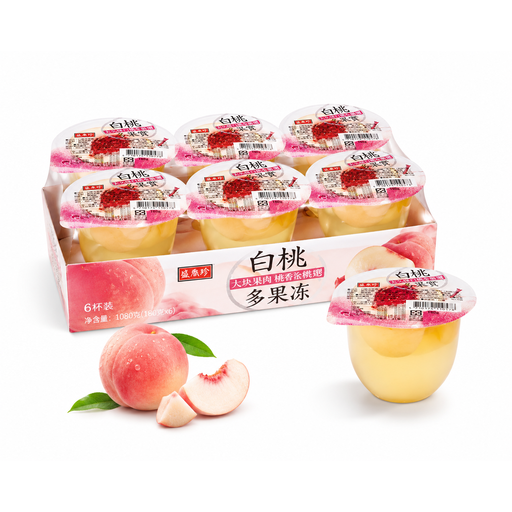
Why it suits this profile: This Taiwanese-style dessert combines white peach pulp with a soft jelly texture. The six individual cups are ideal for serving after a meal or enjoying as an afternoon snack.
The fruit content of 8% and the cup format are clearly stated. The flavour therefore does not come solely from the product name; do check the current packaging before buying.
Six 180-gram cups, 8% white peach and 75 kcal per 100 grams according to the product information.
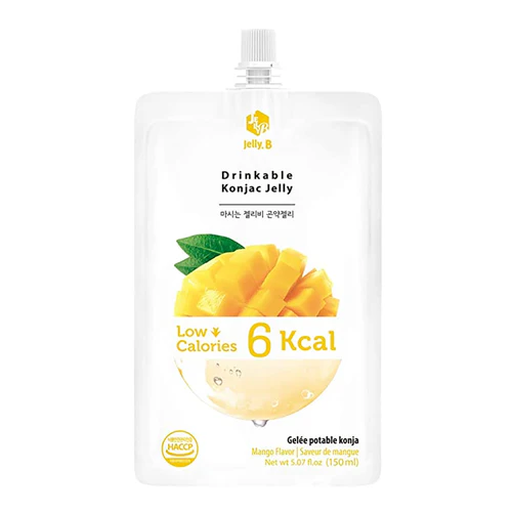
Why it suits this profile: The pouch is ready to enjoy and compact enough to take to work, school or on the go. According to the product information, this variety contains 3 kcal per 100 ml and is halal certified.
The packaging states the volume of 150 ml and lists the ingredients, including konjac, mango juice concentrate and sweeteners. This allows you to assess the texture and choice of sweetener in advance.
Convenient 150 ml pouch, mango flavour, made in South Korea and 0 grams of sugar per 100 ml according to the supplied information.
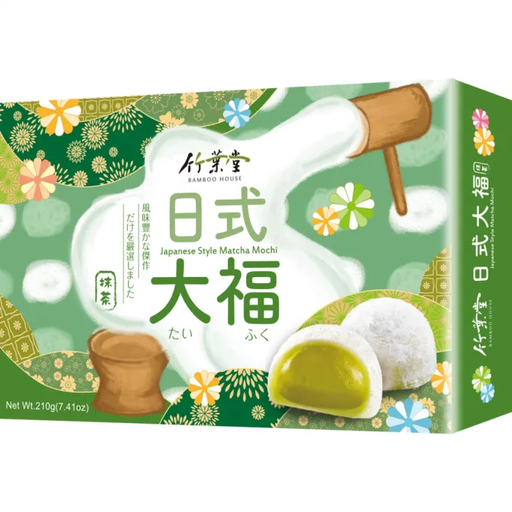
Why it suits this profile: If you want to explore Japanese snacks and other sweet desserts alongside jelly, this product offers a sticky rice dough texture with matcha, red beans and sesame.
The ingredients make it clear that this is not a low-calorie jelly snack, but a dessert containing 366 kcal and 32 grams of sugar per 100 grams. This helps prevent unrealistic expectations.
210 grams per pack, matcha flavour and clear sesame allergen information.
We have put together a complete, up-to-date list of products that fully meet these strict selection criteria and the applicable European safety regulations.
Fruit jelly is usually made with gelling agents such as carrageenan or pectin and often contains sugar, fruit juice or fruit pulp. Konjac jelly contains konjac powder and generally has a more elastic, smoother texture. Always check the ingredients list, as some products combine several gelling agents.
According to the label, unopened products should usually be stored in a cool, dry place away from direct sunlight. After opening, many jelly cups and puddings should be refrigerated and eaten within the stated period. A damaged seal or package is a reason not to use the product.
That varies by product. Pay attention to the texture, serving size and any choking warning. Some jelly products are not suitable for children below a certain age. Also check colourings, allergens and sugar content before putting a snack in a lunchbox or serving it at a party.
