
Vandaag of morgen in huis

Kwaliteit gegarandeerd
Download de app
Categorieën

The Asian instant noodle aisle can be overwhelming. Faced with dozens of unfamiliar brands and flavours, making the right choice is a challenge. You're looking for a quick meal, but you end up with a disappointing taste or an unpleasant texture. This leads to wasted food and buyer's remorse.
This guide is here to help you make an informed decision. We'll focus on objective product characteristics and explain what to look for, so you can choose your next pack of noodles with confidence.
Before making a choice, it's helpful to consider a few basic criteria. This will help you filter the options and find a product that matches your preferences.
Based on the criteria above, we have curated a selection of three popular choices. These products represent different flavour profiles and noodle types from across Asian cuisine.
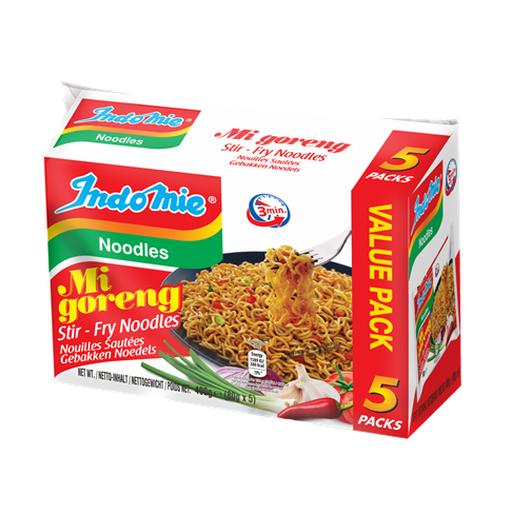
Why we chose it: Indomie Mi Goreng is a classic of Indonesian cuisine. It's a 'dry' noodle, meaning you drain the water and mix the noodles with the included seasonings. The package contains five sachets: seasoning powder, seasoning oil, sweet soy sauce, chilli powder, and fried onions. This combination creates a complex and layered flavour.
Advantages:
Best for: This product is an excellent choice for fans of Indonesian flavours and anyone who prefers stir-fry style noodles over noodle soup. It's an approachable option for those just beginning to explore the world of Asian instant noodles.
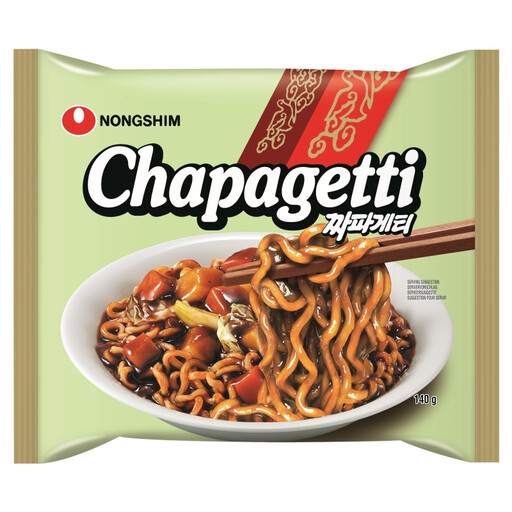
Why we chose it: Nongshim's Chapaghetti offers a unique flavour experience based on the Korean dish Jjajangmyeon. The sauce is made from black bean paste, resulting in a deep, savoury, and slightly sweet flavour that isn't spicy. The noodles are thicker and chewier than many other brands, providing a satisfying texture.
Advantages:
Best for: Chapaghetti is ideal for the adventurous eater looking to try something beyond the standard flavours. It's also an excellent choice for those who don't enjoy spicy food but still want to experience Korean cuisine.
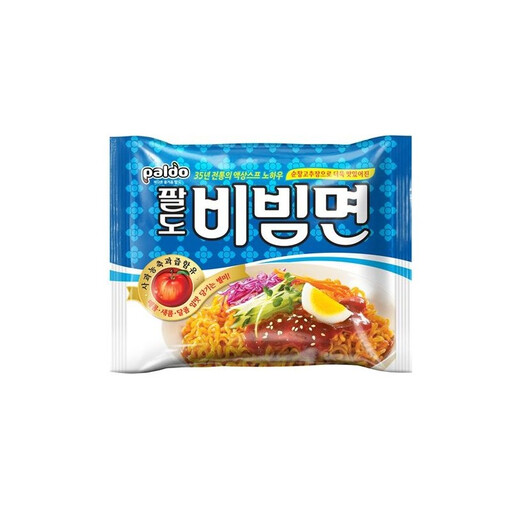
Why we chose it: Paldo Bibim Men is a Korean instant noodle dish that is served cold. After cooking, you rinse the noodles with cold water and mix them with the included sweet and spicy sauce. The sauce, based on chilli and apple puree, delivers a refreshing, spicy, and sweet flavour all at once.
Advantages:
Best for: This product is perfect for anyone seeking a light and refreshing meal. It's a favourite among fans of Korean cuisine who love the signature balance of sweet and spicy flavours.
These three products offer a glimpse into the diverse world of Asian instant noodles. However, flavours vary enormously by country and brand. Perhaps you're looking for a specific Japanese ramen, a mild Thai noodle soup, or another variety not mentioned here.
The selection at a well-stocked online Asian market is often much broader. For a complete overview of our range, from Japanese ramen to Vietnamese pho, visit our main category: Instant Pasta & Noodles.
1. What is the difference between ramen and other instant noodles? The term 'ramen' typically refers to Japanese noodle soup. In the context of instant noodles, this usually means the product is intended to be eaten as a soup. Other varieties, like Mi Goreng or Bibim Men, are 'dry' noodles where you drain the water and mix them with a sauce.
2. How can I make my instant noodles more nutritious? Instant noodles serve as an excellent base for a more substantial meal. For example, add a boiled or fried egg for extra protein. Fresh vegetables like bok choy, bean sprouts, spring onions, or spinach add vitamins and texture. Leftover chicken, beef, or tofu are also great additions.
3. Are all Asian instant noodles very spicy? No, not at all. While many popular Korean and Thai varieties are known for their heat, there are countless mild options. Nongshim Chapaghetti is a great example of a savoury, non-spicy Korean noodle. Japanese ramen with a miso or soy sauce base are also often mild. Read the product description to get an idea of the spice level.