
Vandaag of morgen in huis

Kwaliteit gegarandeerd

Welkomstaanbiedingen ontgrendelen: GRATIS bezorging | Tot 80% korting | Gratis 30 dagen JoyPlus-proefperiode
Download de app
The Asian snack aisle can be overwhelming. The packaging is colourful, flavours range from umami to extremely spicy, and the names don't always tell the whole story. Anyone looking for authentic Asian crackers can quickly run into a few common pitfalls. Before you fill your shopping cart, it's helpful to know what to look for.
A common complaint is that the flavour doesn't match expectations. A cracker marketed as "spicy" can turn out to be surprisingly mild, while another might completely numb your taste buds. Another disappointment is the texture. You expect a light, airy rice cracker but get a hard, dense biscuit instead. This often happens because the marketing isn't clear about the cracker's base ingredient.
To avoid buyer's remorse, it's best to look at a few specific product features rather than just relying on the packaging.
A cracker's texture is largely determined by its main ingredient. This is crucial for the eating experience.
Asian snacks are known for their complex flavours. Know what you're looking for to avoid disappointment.
The country of origin can give you a clue about the flavour profile. Japanese snacks are often refined and rich in umami, while Korean snacks are known for their bold, spicy flavours. Established brands usually offer consistent quality and taste, which is helpful if you're buying Asian snacks for the first time.
Below are a few choices tailored to different preferences to help you get started.
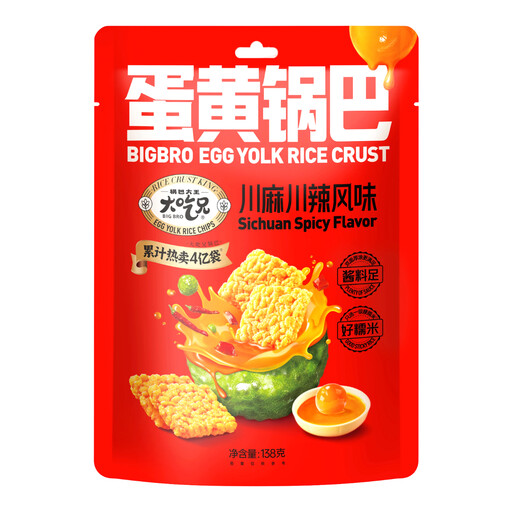
Why This Fits Their Persona: Perfect for those seeking an intense and authentic flavour experience. This cracker goes beyond standard 'spicy' and introduces the signature 'mala' (numbing and hot) sensation of Sichuan cuisine.
This product bypasses the 'spiciness lottery'. The name specifies "Sichuan Spicy & Numbing," so you know exactly what kind of unique heat to expect.
Corn starch base: Provides a light, crispy texture. Individually wrapped: Convenient for on-the-go and maintains freshness.
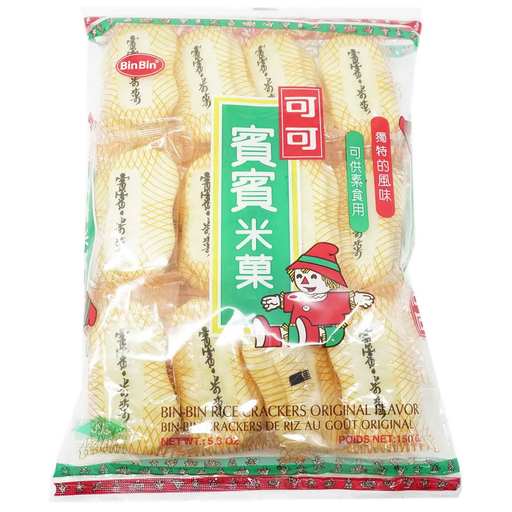
Why This Fits Their Persona: For those who love the familiar, savoury taste of a classic Asian rice cracker. Bin Bin is an iconic brand that guarantees a consistent, crispy experience with no unexpected flavours.
This product avoids the 'authenticity myth' by simply being an authentic and widely loved product. No marketing gimmicks, just a great rice cracker.
Rice base (66%): Ensures the classic light and airy texture. Balanced umami flavour: Comes from soy sauce powder, not overly salty.
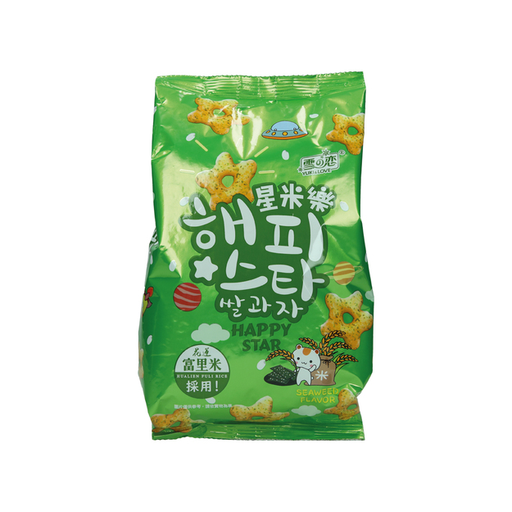
Why This Fits Their Persona: An approachable and popular choice for parties or social gatherings. The combination of rice and seaweed is a crowd-pleaser: savoury, crispy, and not too overpowering. A safe bet that appeals to many.
Avoids the texture disappointment. As a rice cracker, this product delivers the light, crispy crunch you expect, unlike heavier wheat-based crackers.
Subtle umami flavour: The seaweed provides a mild, savoury taste without being overpowering. Easily digestible: Made from rice, making it a lighter snack.
Choosing the right snack is a personal journey. If the options above aren't quite what you're looking for, explore our full collection.
While there's a lot of overlap, there are some general differences. Japanese snacks (senbei) are often rice-based with refined flavours like soy sauce and seaweed. Chinese snacks offer a huge variety, from sweet rice cakes to savoury, sometimes fried, wheat crackers. Korean snacks are known for their robust and often spicy flavours, featuring ingredients like gochujang (chilli paste) and garlic.
Most Asian crackers are sensitive to moisture. To keep them crispy, it's best to store them in an airtight container or bag in a cool, dry place after opening. Many products, like Bin Bin crackers, are individually wrapped, which helps maintain freshness longer.
No, this is a common misconception. While the base is rice (which is naturally gluten-free), the flavouring often contains soy sauce. Traditional soy sauce is brewed with wheat. Therefore, always check the allergen information on the packaging if you have a gluten intolerance or allergy.
