
Vandaag of morgen in huis

Kwaliteit gegarandeerd

Welkomstaanbiedingen ontgrendelen: GRATIS bezorging | Tot 80% korting | Gratis 30 dagen JoyPlus-proefperiode
Download de app
As a Joybuy Product Recommendation Officer, I see how many footballers struggle to find the right boots for artificial grass. The surface is harder, the grip is different, and the impact on your joints is greater. The wrong choice not only leads to poorer performance but can also increase the risk of injury.
This guide is designed to help you. We'll cut through the marketing jargon and provide practical, objective information. We'll focus on the specifications that truly matter, so you can make an informed decision for your next pair of artificial grass football boots.
Before we dive into specific models, here are three key factors to consider when making your choice.
The outsole is arguably the most critical component of an artificial grass boot. There are two main types:
turf football boots.AG football boots offer deeper traction, similar to boots for natural grass, but with a modified stud configuration to distribute pressure.Choose the outsole that matches the type of pitch you play on most often.
The boot's upper material determines comfort and ball feel.
Your choice depends on your personal preference: the classic feel of leather or the modern performance of synthetic materials.
Artificial grass is less forgiving than natural grass. Therefore, good cushioned football boots are not a luxury, but a necessity. A midsole made from materials like Phylon or EVA helps absorb the shock from running and jumping. This reduces the strain on your ankles, knees, and back, allowing you to play more comfortably and lowering the risk of overuse injuries.
Based on product specifications and features, we have selected several models that are well-suited for players on artificial grass.
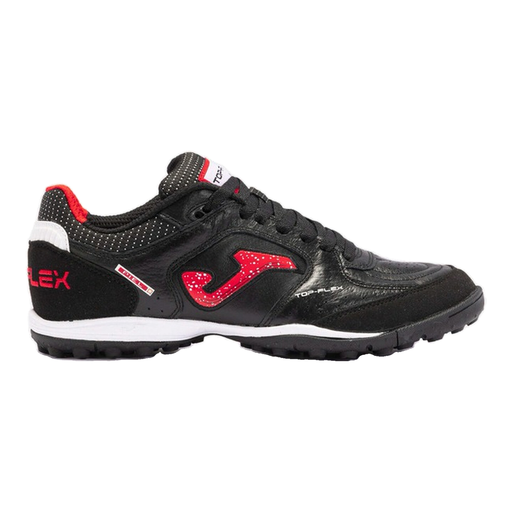
Why It Stands Out: The Joma Top Flex is an iconic model in the Joma football boots collection, valued by many professional players. The boot is known for its exceptional flexibility, which provides a natural feel and freedom of movement.
Key Features:
Who Is It For? For the player seeking maximum flexibility, a superior feel for the ball, and proven comfort. A popular choice for both training and matches on turf.
View the Joma Top Flex 2401 TF
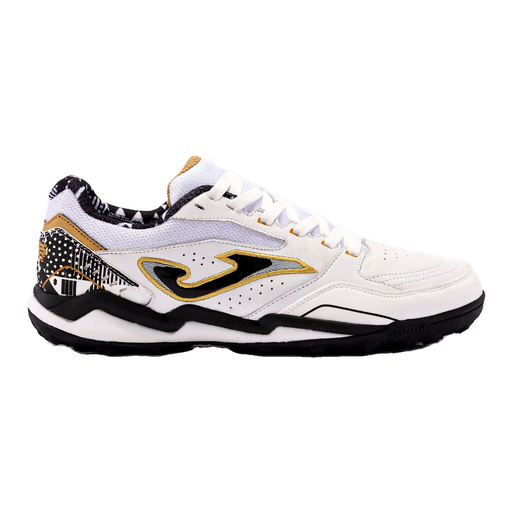
Why It Stands Out: This model combines a premium feel with performance-oriented technology. The dual-density midsole is designed to both cushion and provide energy return, making it suitable for intensive use.
Key Features:
professional artificial grass football boots with a focus on comfort.Who Is It For? For the serious player looking for a durable, responsive boot that combines comfort and performance for long, intensive sessions on turf.
View the Joma FS Reactive 2402 TF
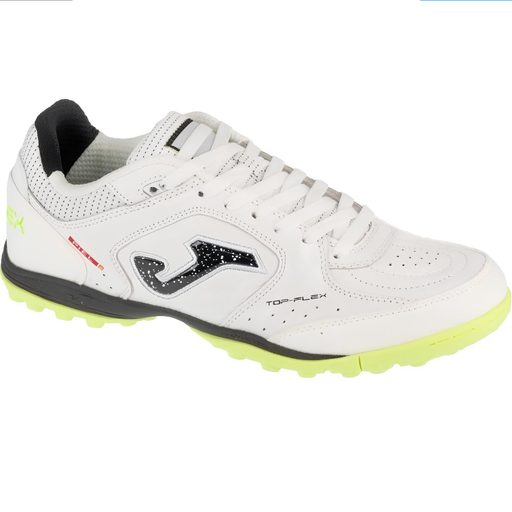
Why It Stands Out: This model from the Top Flex line emphasises a lightweight design and agility. Its construction is focused on supporting quick movements and providing comfort during play.
Key Features:
Who Is It For? For the agile player seeking a light and flexible boot with good shock absorption, without the premium price point of a full leather model.
View the Joma Top Flex 2502 TF
Good football boots are essential on the pitch, but comfort and support are just as important in daily life. This is especially true if you have sensitive feet or want to prevent injuries that could affect your game. For those seeking specific support for foot conditions like heel spurs, the right footwear off the pitch is also crucial.
Check out our collection of Sneakers for Bone Spurs for comfort and support in your daily activities.
1. Can you use AG boots on a turf pitch? It is generally not recommended. The longer studs of AG boots can create excessive pressure points on a hard turf pitch, and your grip may be unpredictable. TF boots offer better stability and pressure distribution on this type of surface.
2. How important is cushioning in artificial grass football boots? Very important. The hard surface of artificial grass creates more impact on your joints. Cushioned football boots help absorb these shocks, which reduces the strain on your ankles and knees and increases comfort during long matches or training sessions.
Leather artificial grass boots often provide superior comfort and a better feel for the ball because the material moulds to your foot. Synthetic boots are typically lighter, more durable, and require less maintenance. Choose what best suits your playing style and priorities.