
Vandaag of morgen in huis

Kwaliteit gegarandeerd

Welkomstaanbiedingen ontgrendelen: GRATIS bezorging | Tot 80% korting | Gratis 30 dagen JoyPlus-proefperiode
Download de app
Looking for a good anti-wrinkle night cream? The market is vast, and the promises are often grand. Before you make a choice, it's wise to understand a few common pitfalls. This will help you avoid a bad purchase and find a product that truly suits your skin, giving it the support it needs overnight.
The marketing around anti-ageing products can be overwhelming. Many creams end up unused in the bathroom cabinet because they don't meet expectations or aren't suitable for the user's skin. Pay attention to the following points:
To make an informed choice, it's helpful to focus on a few key points. These specifications largely determine what a night cream can do for your skin.
The effectiveness of an anti-ageing night cream depends on its active ingredients. Two commonly used ingredients are retinol and hyaluronic acid.
The texture of a cream is crucial for both the user experience and its effectiveness. Dry or mature skin (50+) often benefits from a richer, more nourishing cream that provides comfort throughout the night. Normal to combination skin may respond better to a lighter cream or even a gel formula that hydrates without leaving a greasy film.
At night, the skin is in repair mode. A good restorative night cream supports this natural process. Ingredients like ceramides, panthenol (vitamin B5), and antioxidants help strengthen the skin barrier and soothe the skin after exposure to daytime aggressors like UV radiation and pollution.
To help you with your choice, we've highlighted several products that suit different needs and skin profiles. These recommendations are based on their formula and intended application.
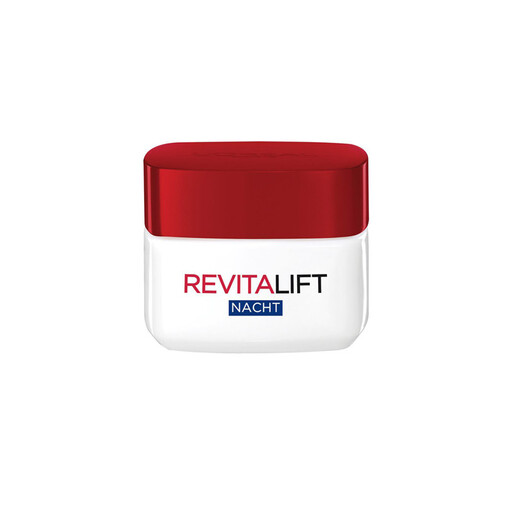
Why This Fits Their Persona: Perfect for those around 30 or 35 who want to start with an effective anti-ageing night cream. The formula with Pro-Retinol is a great introduction to this powerful ingredient, targeting the first signs of ageing.
This cream doesn't make unrealistic promises but focuses on a proven ingredient (Pro-Retinol) to gradually improve skin texture. The texture is nourishing but not overly heavy, making it suitable for many skin types.
Contains Pro-Retinol and Fibrelastyl to support the skin's resilience. According to L'Oréal, the skin feels firmer and smoother after one week of use.
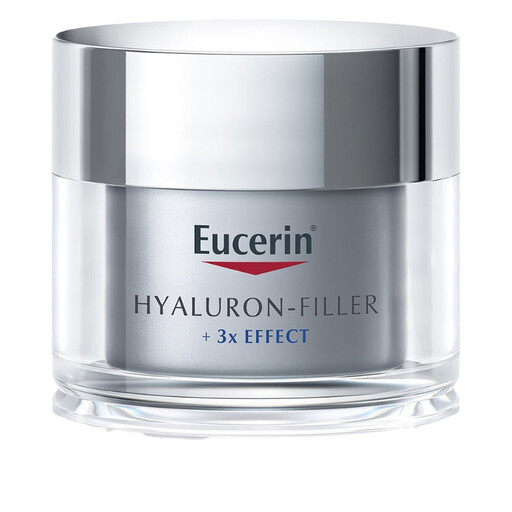
Why This Fits Their Persona: Ideal for those with tight, dehydrated skin who want to tackle wrinkles exacerbated by dryness. The focus is on intensive hydration with hyaluronic acid.
Instead of a vague 'anti-wrinkle' claim, this product focuses on a specific mechanism: plumping fine lines through hydration with hyaluronic acid. The formula is non-comedogenic, meaning it won't clog pores.
Combines hyaluronic acid with panthenol to support the skin's restorative capacity overnight. Suitable for all skin types.
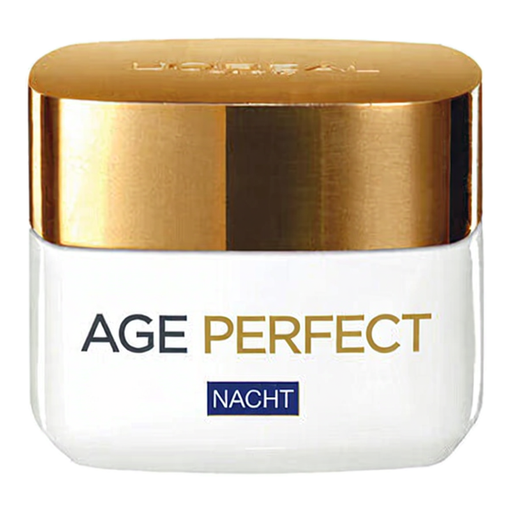
Why This Fits Their Persona: Specifically developed for the 50+ night cream user. The formula targets the needs of mature skin, such as loss of firmness, thinning skin, and the appearance of age spots.
This is not a 'one-size-fits-all' product. It addresses the specific challenges of mature skin with a richer, nourishing texture that provides comfort. The focus is on restoration and firming.
The formula is enriched with Squalane and Jasmine Flower extract for intensive nourishment. According to L'Oréal, with consistent use, it helps to firm facial contours and reduce age spots.
We have compiled a complete, real-time list of products that fully satisfy these strict selection criteria and UK safety regulations.
There's no fixed age, but many people start around their 30s, when the first fine lines may become visible. It's more important to look at your skin's condition than your age. Prevention is often a great strategy. If your skin feels dry or you notice the first lines around your eyes or mouth, a targeted night cream can be a great addition to your routine.
If your skin isn't used to retinol, it's wise to build up usage slowly. For example, start with two or three nights a week and see how your skin reacts. If no irritation occurs, you can increase the frequency. During the day, using a sunscreen with at least SPF 30 is recommended, as retinol can make the skin more sensitive to the sun.
A day cream is primarily focused on protection against external aggressors, such as UV radiation and pollution. That's why they often contain an SPF and antioxidants. An anti-wrinkle night cream is focused on repair. The formulas are often richer and contain active ingredients that can do their work at night, when the skin is at rest, without sun exposure.
