
Vandaag of morgen in huis

Kwaliteit gegarandeerd

Welkomstaanbiedingen ontgrendelen: GRATIS bezorging | Tot 80% korting | Gratis 30 dagen JoyPlus-proefperiode
Download de app
Finding a good anti-wrinkle day cream can sometimes feel like searching for a needle in a haystack. The promises on the packaging are grand, but the results don't always live up to your hopes. As a Joybuy Product Recommendation Officer, I'm here to help you see through the marketing claims. We'll look at what really counts, so you can choose a cream that suits your skin and needs, without wasting money on empty promises.
Before we look at solutions, it's important to recognise the most common pitfalls. Many creams seem ideal but fall short in practice.
To avoid a bad purchase, it's wise to focus on a few objective criteria. These specifications will help you verify the claims on the packaging.
Look beyond the marketing and focus on proven ingredients. A good anti-ageing cream often contains a combination of the following:
Sun damage is the primary accelerator of skin ageing. A day cream with adequate SPF is therefore not an unnecessary luxury, even on cloudy days.
The texture of a cream determines how comfortable it feels and how well it works for your skin.
Based on product specifications and the needs of different users, we have selected a number of creams that could be a good match.
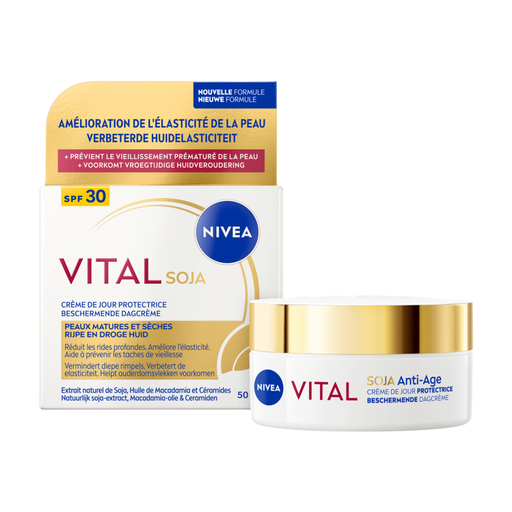
Why This Fits Their Persona: Ideal for those seeking a practical all-in-one solution. This cream combines firming properties with reliable sun protection, perfect for the daily routine of a woman over 50.
This cream bypasses the pitfall of inadequate protection by offering SPF 30. This is a serious protection factor that helps combat sun-induced skin ageing and pigmentation spots.
The formula with soy extract is specifically developed for mature skin to support collagen production. The cream is nourishing yet absorbs well.
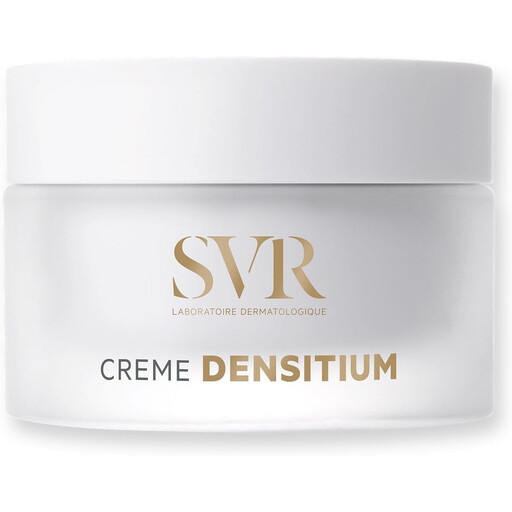
Why This Fits Their Persona: For those dealing with dry, sagging skin, for instance due to menopause. This cream focuses on restoring skin density and provides intensive comfort without feeling greasy.
This product shatters the 'one-size-fits-all' myth. It is specifically formulated for the needs of normal to dry mature skin, with a focus on loss of firmness and dryness.
The formula contains bio-calcium and ultra-fragmented hyaluronic acid to redensify and hydrate the skin. Its silky texture provides an excellent base for makeup.
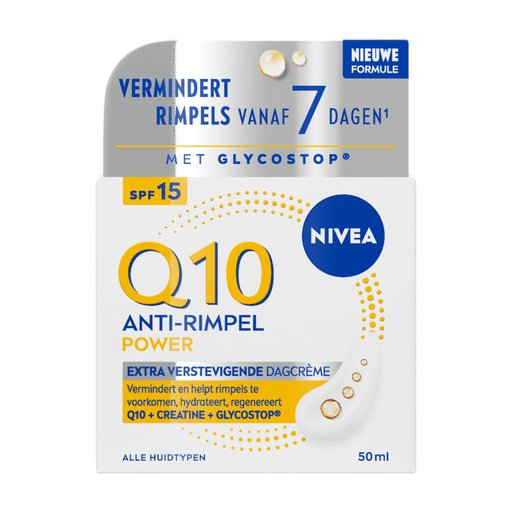
Why This Fits Their Persona: For the user who trusts proven ingredients and is looking for an effective, affordable cream. Q10 is a well-known and valued antioxidant in skincare.
This cream avoids the 'miracle ingredient' trap by relying on the well-known combination of Q10 and creatine. Its function is clear: protecting the skin and supporting cell renewal.
A popular and accessible choice that protects the skin from external aggressors. The SPF 15 offers basic protection for daily use.
We have compiled a complete and up-to-date overview of products that meet these strict selection criteria.
There is no fixed age, as skin ageing depends on genetics and lifestyle. Most people start with preventive anti-ageing products around their 30s. For a specific anti-wrinkle cream for mature skin, most people switch around their 45s or 50s, when the skin becomes drier and less elastic.
You can, but it's not ideal. A day cream is formulated to protect the skin during the day, often with SPF. A night cream, on the other hand, is focused on repair and nourishment during the night and typically contains richer, restorative ingredients without SPF. For optimal results, it is recommended to use both.
Crucial. UV radiation is present all year round, even when the sun isn't shining brightly. UVA rays, which penetrate deep into the skin and break down collagen, pass right through clouds and glass. Daily protection with at least SPF 30 is one of the most effective ways to slow down further skin ageing.
