
Vandaag of morgen in huis

Kwaliteit gegarandeerd

Welkomstaanbiedingen ontgrendelen: GRATIS bezorging | Tot 80% korting | Gratis 30 dagen JoyPlus-proefperiode
Download de app
A more mature or tired-looking complexion doesn’t automatically require an expensive product. If you’re searching for the best anti-ageing serum, you’ll often be drawn to words like “lifting”, “collagen boost” or “glow”. On their own, those terms say little about the formula, how frequently to use it, and whether it suits your skin.
The right choice depends on your main skin goal: softening fine lines, tackling dryness, making your skin feel firmer, or helping a dull tone look more even. Below you’ll find which pitfalls to avoid, which ingredients matter, and which serums suit different user profiles.
A brand may claim a serum boosts collagen production, reduces wrinkles or has a lifting effect. Don’t treat this as a guaranteed outcome. According to the brand’s own research, such percentages or user tests may have been carried out under specific conditions. So focus on checking the ingredients, concentrations, volume and instructions for use.
An anti‑wrinkle serum can, for example, make the skin look temporarily smoother by hydrating it. That is not the same as a proven reduction in deep wrinkles.
A peptide serum sounds interesting, but the rest of the formula also determines how pleasant and suitable the product is. Look as well at hydrating agents, fragrance, alcohol, essential oils and potential irritants. Especially with a serum for sensitive skin, a simple formula is often more practical than a product packed with powerful actives.
A vitamin C serum in the morning, a retinoid at night, and then layering multiple acids or exfoliants on top can make your routine needlessly complicated. This can cause irritation and makes it hard to pinpoint which product is to blame. Start with one serum and build up slowly.
A collagen serum sometimes contains soluble or hydrolysed collagen. In a cosmetic formula, this can mainly contribute to a nourished, hydrated skin feel. Don’t automatically conclude it measurably increases collagen within the skin.
A fragrance-free formula can be pleasant for sensitive skin, but “natural”, “vegan” or “dermatologically tested” is no guarantee everyone will tolerate it well. Review the full ingredient list and, if in doubt, perform a patch test.
Pay special attention to:
A 15 ml bottle may seem cost-effective, but with daily use it can run out faster than a 30 or 50 ml pack. A pump bottle or airless packaging also limits contact with air and hands. Always check shelf-life information and the period after opening on the packaging.
A serum doesn’t replace a moisturiser. Apply a cream after your serum if your skin needs extra comfort. During the day, a broad-spectrum sunscreen is essential in any routine aiming to help limit visible signs of skin ageing.
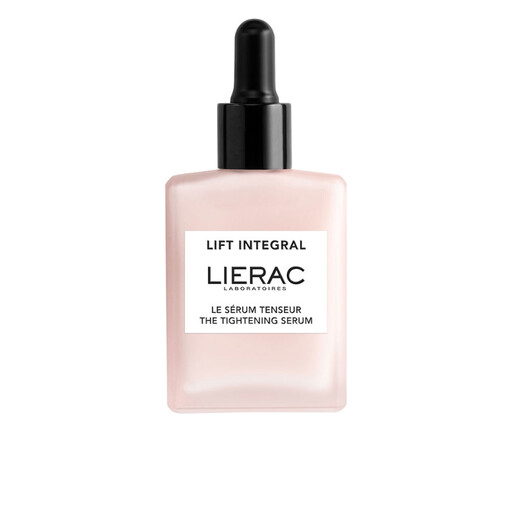
Why it fits this profile: Ideal for those who value a refined texture, a refillable pack, and a serum suitable for both day and night.
The product information doesn’t hinge on a single miracle claim, but instead notes, among other things, 30 ml content, 97% ingredients of natural origin, a vegan formula and a refillable airless dispenser.
Refillable packaging; 30 ml; according to the product description suitable for all skin types, including sensitive skin.
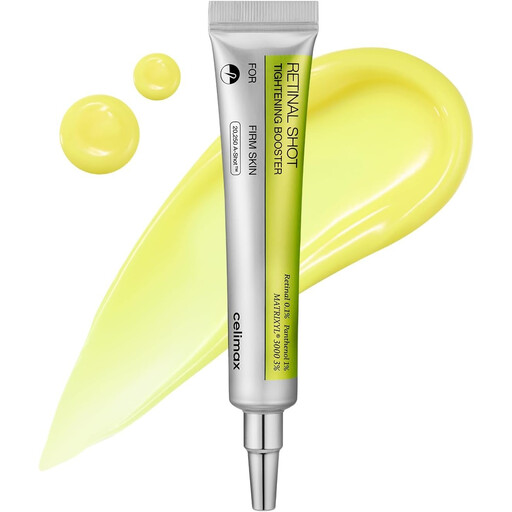
Why it fits this profile: Designed for users who want to work specifically with retinal and are willing to build frequency carefully.
The instructions advise starting every other night for the first two weeks, using a small amount, and reducing frequency if irritation occurs. That helps prevent building up too quickly.
Contains, according to the product information, 0.1% retinal and 3% Matrixyl 3000; clear guidance on evening use and sun protection.
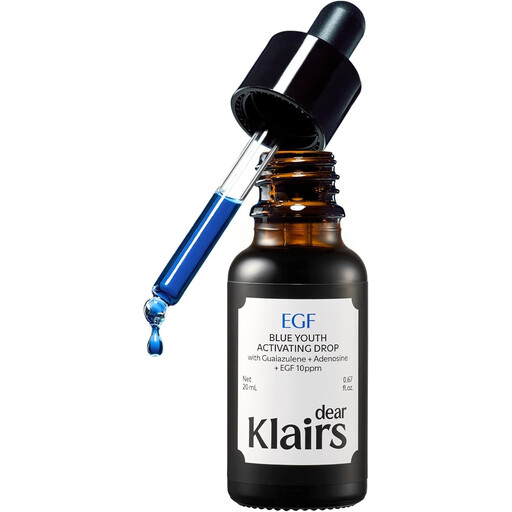
Why it fits this profile: An option if you want a light night-serum texture and prefer to avoid fragrance in facial skincare.
The product description mentions a fragrance-free formula and a watery, lightweight texture. Always check the current packaging and ingredient list before purchasing.
20 ml; copper peptides and hyaluronic acid according to the product information; lightweight texture for evening use.
We’ve compiled a complete, up-to-date list of products that fully meet these strict selection criteria and comply with current European safety regulations.
Choose a formula with as few potential irritants as possible and introduce one new product at a time. A fragrance-free serum with hydrating ingredients or peptides may be more practical than a strong retinoid. Patch test first and stop if persistent redness, itching or a burning sensation occurs.
That depends on the ingredients. A hydrating face serum or peptide serum can often be used daily according to the product directions. Retinal usually requires a gradual build-up, for example every other night. Always follow the label and don’t combine active ingredients at random.
A 30 ml pack can last from a few weeks to months with daily use, depending on how much you apply each time. Use only what you need: a few drops or one pump is often enough. Store the serum tightly closed, out of direct sunlight and according to the instructions on the packaging.
