
Vandaag of morgen in huis

Kwaliteit gegarandeerd

Welkomstaanbiedingen ontgrendelen: GRATIS bezorging | Tot 80% korting | Gratis 30 dagen JoyPlus-proefperiode
Download de app
As time passes, our skin changes. Fine lines, a loss of firmness, or the first wrinkles may start to appear. The search for a good anti-ageing cream can be overwhelming, with countless promises and complex ingredient lists.
This article is designed to be a practical guide. We highlight several popular choices and provide clear information to help you find a cream that matches your needs and skin type. We focus on product specifications and the function of key ingredients.
Before we present our recommendations, here are a few tips to guide your choice. An effective cream is more than just beautiful packaging; it's what's inside that counts.
The effectiveness of a cream depends on its active components. Some of the most common and well-researched ingredients in skincare include:
Not every anti-wrinkle cream is suitable for every skin type.
Below is a selection of creams that are popular for their formulation and intended effects. We have listed the key features for each product.
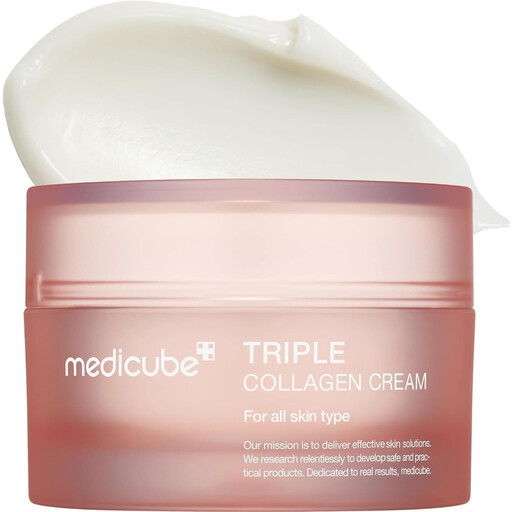
Why This Product Stands Out This cream from Medicube focuses on improving elasticity and firmness with a blend of different types of collagen. According to the manufacturer, the formula is designed to strengthen the skin barrier and improve resilience. The addition of niacinamide and nourishing oils makes it a rich, hydrating cream.
Benefits
Who Is It For? This is an interesting option for those looking for a rich collagen cream to support the skin's firmness and elasticity. It is particularly suitable for normal to dry skin.
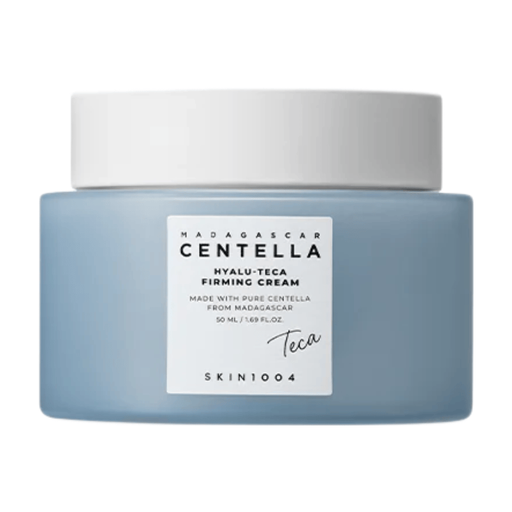
Why This Product Stands Out In this firming cream, SKIN1004 combines two popular ingredients: hyaluronic acid for hydration and Centella Asiatica from Madagascar to soothe the skin. The formula is further enriched with ceramides, peptides, and collagen, which work together to support the skin barrier and firm the skin.
Benefits
Who Is It For? This cream is a great choice for anyone seeking a face cream for mature skin that not only firms but also soothes. The addition of Centella Asiatica may also make it suitable for skin prone to sensitivity.
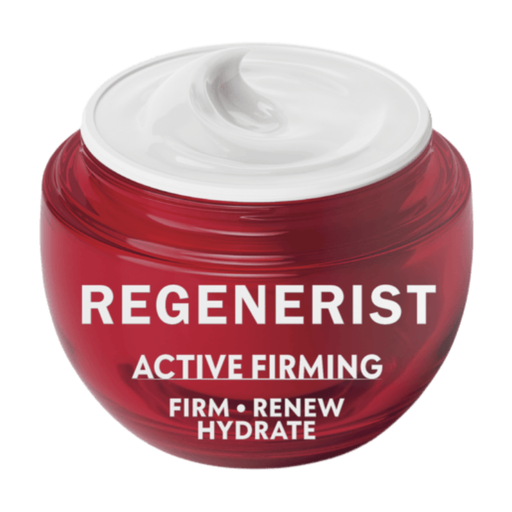
Why This Product Stands Out Olay's Regenerist line has been a well-known name for years. This fragrance-free anti-ageing day cream is formulated with a high concentration of niacinamide (vitamin B3) and amino-peptides. According to Olay, the formula penetrates deep into the skin's surface to provide 24-hour hydration and renew its natural glow.
Benefits
Who Is It For? This is a solid choice for those seeking a reliable, fragrance-free day cream with scientifically-backed ingredients. It is ideal for daily use and focuses on hydration, firming, and improving skin texture.
The right skincare is personal. If the products above don't quite match what you're looking for, or if you're curious about other options, there's more to discover. Proper hydration is the foundation of any skincare routine.
Explore our full range of moisturising creams for more choices to suit different skin types and needs.
1. At what age should you start using an anti-ageing cream? There's no set age, but many people start around their 30s, when natural collagen production begins to decline and the first fine lines appear. However, a good basic routine with a moisturising cream and daily sun protection is the most important step in slowing down skin ageing at any age.
2. What is the difference between an anti-wrinkle cream and a firming cream? The terms are often used interchangeably, but there is a subtle difference. An anti-wrinkle cream often focuses on plumping up lines through intense hydration, for example, with hyaluronic acid. A firming cream concentrates more on improving elasticity and counteracting sagging, often with ingredients like peptides, collagen, or retinol. Many modern creams combine both functions.
3. Can I use an anti-ageing cream if I have sensitive skin? Absolutely. In that case, opt for products specifically formulated for sensitive skin. Look for labels like "fragrance-free" and "dermatologically tested." Ingredients such as Centella Asiatica, panthenol, and ceramides can help soothe the skin and strengthen the skin barrier. It is always wise to patch-test a new product on a small area of skin first.
