
Vandaag of morgen in huis

Kwaliteit gegarandeerd

Welkomstaanbiedingen ontgrendelen: GRATIS bezorging | Tot 80% korting | Gratis 30 dagen JoyPlus-proefperiode
Download de app
It's a common challenge for parents: you buy a pair of skates for your child, and after a single growth spurt, they no longer fit. Adjustable inline skates offer a practical solution. They grow with your child's feet, saving you from purchasing a new pair every season. But what should you look for when buying? In this guide, we'll cover the key criteria and highlight several models based on their specifications.
A great choice is based on several objective factors. Below are the most important points to consider when finding the right inline skates for children.
The most important feature is adjustability. Most models use a simple push-button system that allows you to adjust the boot across multiple sizes, typically in 3 or 4 increments. Always check the size range (e.g., 27-30) and the corresponding length in millimeters to ensure a proper fit. A skate that fits snugly provides necessary support and prevents blisters.
The boot determines the level of comfort and support. There are two main types:
The closure system is also crucial. A combination of a buckle, a velcro strap, and laces ensures a secure and firm fit.
Almost all children's skates come equipped with a brake pad on the heel of one skate. Check that it is made from a durable, wear-resistant material. For beginners, a complete kids' skate set with a helmet and pads (knee, elbow, wrist) is a wise choice. This ensures your child can start practicing safely right out of the box.
Below is a selection of adjustable inline skates, analyzed based on their product features.
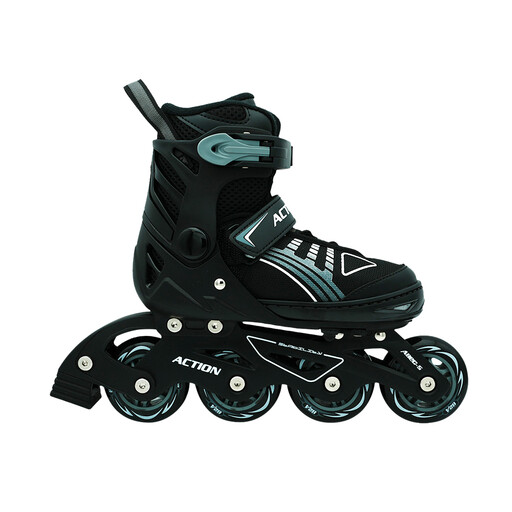
Why We Chose It This model combines a comfortable soft boot with a sturdy aluminum chassis. This combination strikes a great balance between comfort for longer sessions and the stability needed for excellent control. The PU wheels and ABEC-5 bearings provide a smooth rolling experience.
Advantages
Who It's For For children who already have some basic skills or for beginners seeking a comfortable skate that delivers solid performance. The combination of the soft boot and aluminum frame makes it a versatile all-around choice.
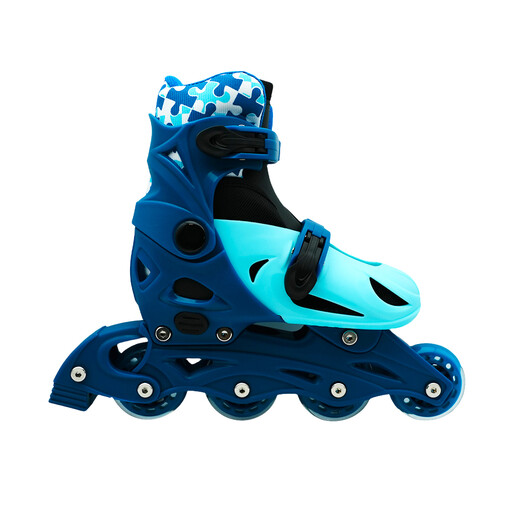
Why We Chose It This model is built with a high-impact hard boot and a strong composite chassis. This construction is engineered for maximum durability and ankle support. The hard outer shell can withstand rough use, which is ideal for young, active skaters.
Advantages
Who It's For Ideal for beginners who need extra ankle support or for children who are tough on their gear. The robust construction makes these skates highly wear-resistant.
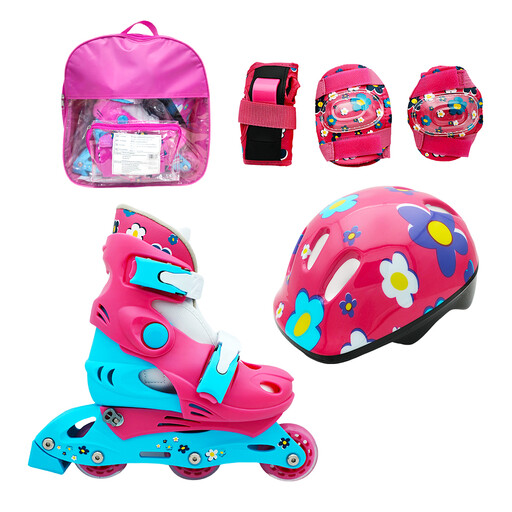
Why We Chose It This is a complete skate set with protective gear. In addition to the adjustable skates, the set includes a helmet, knee, elbow, and wrist guards. Everything can be stored in the included carrying bag. This offers an all-in-one solution for safety and convenience, right out of the box.
Advantages
Who It's For This is the perfect choice for the absolute beginner. Parents looking for an all-in-one package for their child's first skating experience will find this a practical and safe starter set.
This selection provides a good overview of the different types of adjustable skates available. However, the range is much broader, with variations in color, design, and specific features. For a complete overview of all models, you can browse our main inline skates category.
1. At what age can a child start inline skating? Most children develop sufficient balance and coordination to start skating around the age of 4 or 5. It's important that the child is motivated and that there is always adult supervision. Start on a flat, smooth surface and always ensure they wear full protective gear.
2. How do I choose the right size of adjustable skates? Measure your child's foot in millimeters and compare it to the manufacturer's size chart. Choose a size range where your child's current foot size falls at the lower end of the range. This allows plenty of room to grow. The skate should fit securely without being too tight.
3. What is the difference between PU and PVC wheels? PU (polyurethane) wheels are the standard for quality skates. They are relatively soft, which provides better grip, shock absorption, and a quieter, smoother ride. PVC (polyvinyl chloride) wheels are harder, cheaper, and wear out more quickly. They offer less grip and comfort and are mainly found on entry-level models for recreational use.
