
Vandaag of morgen in huis

Kwaliteit gegarandeerd

Welkomstaanbiedingen ontgrendelen: GRATIS bezorging | Tot 80% korting | Gratis 30 dagen JoyPlus-proefperiode
Download de app
A multi-day trek is made or broken by the right gear, and one of the most critical components is your backpack. The wrong choice can lead to sore shoulders, a wet sleeping bag, and frustration on the trail. In contrast, a good 40-liter trekking backpack offers enough space for a 2 to 3-day trip without being unnecessarily heavy or cumbersome.
My name is Joybuy, and as a Product Recommendation Officer, I'm here to help you navigate the vast selection of options. In this article, we'll explore what to look for when making a purchase and highlight several popular choices based on their specifications.
Before we dive into specific models, it's helpful to know which features truly make a difference. Focus on the following three points to find a backpack that matches your plans.
For a multi-day hiking backpack, comfort is not a luxury but a necessity. The weight of your gear must be distributed efficiently across your body. A hiking backpack with a frame is essential for this. An internal frame, often made of lightweight aluminium, transfers the majority of the weight from your shoulders to your hips. This significantly relieves your back and shoulders. Also, look for an adjustable back system, padded shoulder straps, and a sturdy hip belt. An ergonomic hiking backpack follows the contours of your body and moves with you, which helps combat fatigue.
A 40-liter capacity is ideal for a backpack for a 3-day trek. You'll have room for a sleeping bag, mat, extra clothing, cooking gear, and food. But sheer volume isn't everything; the layout is just as important. A well-designed pack has multiple compartments:
This ensures you can keep your gear organised and quickly grab what you need without having to empty your entire bag.
Your backpack will endure a lot of wear and tear. It will scrape against rocks, be placed on the ground, and face unpredictable weather. Therefore, choose a model made from durable material, such as high-strength nylon or polyester. A waterproof trekking backpack is a major advantage, but many backpacks are water-repellent and come with a separate rain cover. Check the specifications to see how well the backpack is protected against a downpour. Sturdy zippers and buckles are also crucial for durability.
Based on the criteria above, we have selected a few models that stand out for their specifications and design.
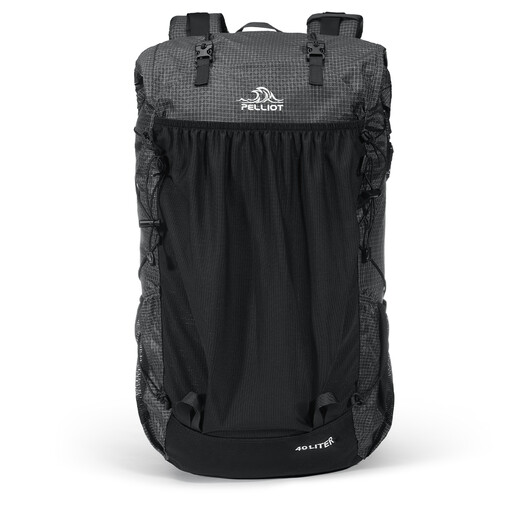
Why it stands out: This model from PELLIOT is designed with serious trekkers in mind. The core of the backpack is its built-in aluminium frame which, according to the manufacturer, effectively transfers weight to the hips. The shoulder straps use what the brand calls "Dynamic Walking Harness Technology," intended to automatically adjust the straps to your walking motion. This is said to reduce resistance and provide a more natural walking experience. The 3D breathable cushioning system with an EVA back panel and mesh ventilation is designed to keep your back cool and dry.
Highlights:
Who is it for? For the hiker looking for a 40L backpack for 2 to 3-day treks who places a high value on an advanced carrying system to minimise strain.
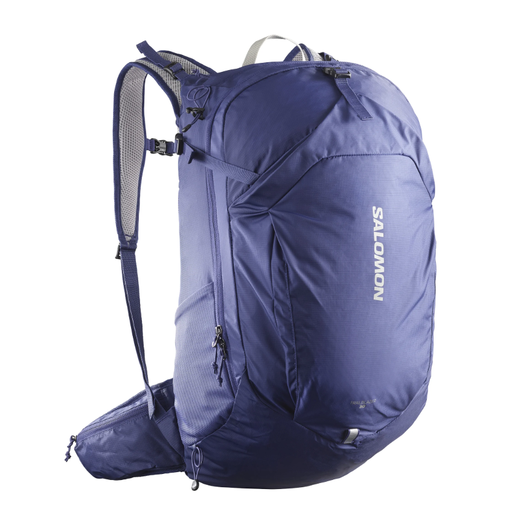
Why it stands out: Although slightly more compact at 30 liters, the Salomon Trailblazer offers great versatility. With this design, Salomon focuses on comfort and low weight. The manufacturer highlights the improved back panel and shoulder straps, which ensure excellent breathability. It's a backpack that is not only suitable for day trips in nature but is also functional for urban use.
Highlights:
Who is it for? For the minimalist packer who wants a lighter backpack for shorter (1-2 day) trips. It's also a great choice if you want one backpack for both your hiking adventures and daily use.
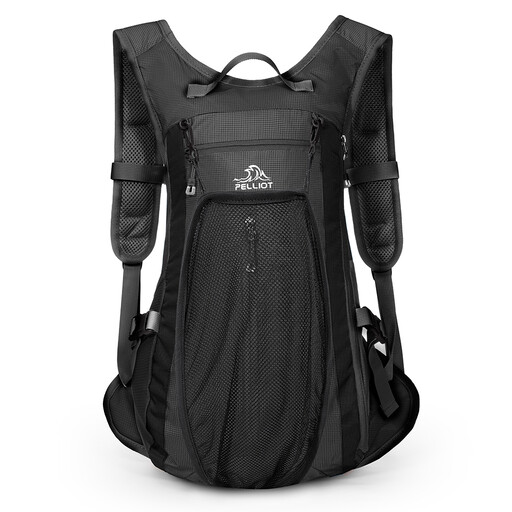
Why it stands out: This is a specialist choice and not a traditional trekking backpack. At 20 liters, it's intended for a different purpose: trail running and fast, light hikes. Here, PELLIOT focuses on the "S.L.F Triple Design" (Stable, Lightweight, Fast Access). The design is engineered to fit snugly against the body and prevent bouncing while running. The pockets are optimised for quick access to water, nutrition, and your phone.
Highlights:
Who is it for? Not for the traditional backpacker, but for the athlete seeking a compact, stable pack for trail running or 'fast and light' day hikes where speed and freedom of movement are paramount.
Is a technical hiking backpack not quite what you're looking for? Or, in addition to your adventure gear, are you also searching for a daily-use backpack with a more refined look? Then check out our selection of elegant backpacks for more styles.
1. Is 40 liters enough for a multi-day trek? Yes, for most 2 to 3-day treks, 40 liters is sufficient, provided you pack efficiently. This volume accommodates a compact sleeping bag, sleeping mat, cook set, food for 2-3 days, an extra layer of clothing, and a rain jacket. For longer trips or winter conditions, you will typically need a larger backpack.
2. How important is an internal frame in a hiking backpack? An internal frame is crucial once you carry more than about 10 kg (22 lbs) of weight. The frame provides structure and transfers the load from your shoulders to your hips, which can bear much more weight. This dramatically increases comfort and improves your balance on uneven terrain.
3. What is the difference between a trekking backpack and a regular backpack? The main difference lies in the carrying system. A trekking backpack is built to carry heavy loads comfortably over long distances. Key features include an internal frame, a padded hip belt, a sternum strap, and adjustable shoulder straps. Additionally, they often have a more specific layout with compartments for hiking gear and are made from more robust, weather-resistant materials.
