
Vandaag of morgen in huis

Kwaliteit gegarandeerd

Welkomstaanbiedingen ontgrendelen: GRATIS bezorging | Tot 80% korting | Gratis 30 dagen JoyPlus-proefperiode
Download de app
A multi-day hike lives or dies by the quality of your gear. A backpack that pinches, is poorly balanced, or is simply impractical can seriously ruin a wonderful experience in nature. With a 40-litre capacity, you generally have enough space for a 2 to 3-day trip, provided you pack efficiently. But how do you choose the model that's right for you?
As a Joybuy Product Recommendation Officer, I'm here to help you see past the marketing jargon. In this article, we'll focus on the specifications that really matter: carrying comfort, durability, and smart organisation. This will help you find a 40l trekking backpack that makes your journeys more comfortable.
Before we dive into the products, here are a few practical points to consider. These will help you make an informed choice.
The weight of your backpack isn't carried by your shoulders alone. A well-designed multi-day hiking backpack distributes the weight across your hips. Therefore, pay attention to the following features:
men's hiking backpack and a women's hiking backpack should be fully adjustable. Check the adjustability of the shoulder straps, hip belt, and sternum strap. A good fit is personal; the backpack must conform to your body shape and torso length.Your backpack will take a beating. Rocks, branches, and unpredictable weather call for a robust design.
durable hiking backpack.waterproof trekking backpack often has sealed seams and a water-repellent coating. An integrated or separate rain cover is a very practical addition to keep your gear dry during a downpour.A well-organised backpack makes your life on the trail much easier. For a backpack for camping, the following features are useful:
Based on functionality and specifications, we've lined up a few options for you.
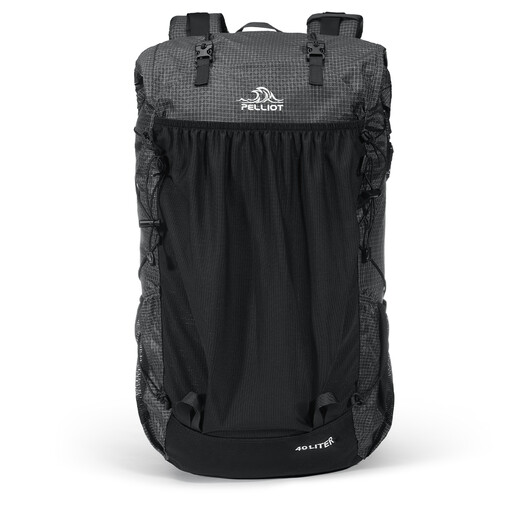
Why it stands out This model from PELLIOT is designed with a clear focus on weight distribution and comfort over long distances. The core of the design is the built-in aluminum frame which, combined with what the manufacturer calls "Dynamic Walking Harness Technology," actively transfers the load to the hips. According to PELLIOT, the shoulder straps automatically adapt to your walking motion, which is said to reduce fatigue.
Pros
Who is it for? For the hiker looking for a multi-day hiking backpack (2-3 days) who prioritises an advanced carrying system for heavier loads. Ideal for those who consider comfort and efficient weight distribution crucial.
View the PELLIOT Trekking Backpack 40L
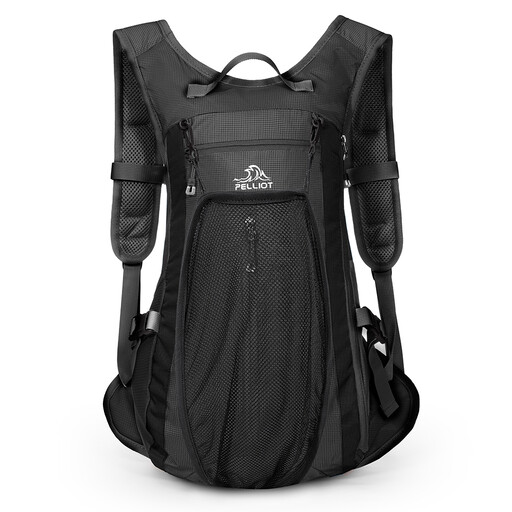
Why it stands out Although this isn't a 40L backpack, it's an interesting option for a different type of adventure. This model focuses on minimalism and stability. According to the manufacturer, the S.L.F. (Stable, Lightweight, Quick-Access) design ensures a snug fit that doesn't bounce during running or fast hiking.
Pros
Who is it for? For the trail runner or the 'fast and light' hiker on day trips who only carries the bare essentials. Not suitable for multi-day camping trips, but an excellent choice for intensive day activities.
View the PELLIOT Trail Running Backpack 20L

Why it stands out This backpack from NatureHike is a master of minimalism. It's made from ultralight 30D nylon and can be folded into a small package in its own pocket. This makes it extremely versatile.
Pros
Who is it for? For the minimalist hiker on short day trips, or as a second, packable backpack for travel. Due to the lack of an internal frame, it is not intended for carrying heavy loads over long distances.
View the NatureHike Ultralight Backpack
The right backpack is a very personal choice. Sometimes a specific colour or a sleeker design is exactly what you're looking for. For those who prefer a versatile and timeless look, we have curated a separate selection.
? Discover our collection of black backpacks for men
1. How many litres do I need for a 3-day trip? For a 2 to 3-day trip, a 40 to 50-litre backpack is a common choice. A 40l trekking backpack forces you to pack efficiently and is often more than sufficient for weekend trips in mild weather conditions, without too much specialised equipment.
2. What is the advantage of a backpack with an internal frame? An internal frame provides structure and helps transfer the weight from your shoulders to your hips. Your hips and leg muscles are much stronger and better able to carry weight. This results in significantly more comfort, better balance, and less fatigue during long hiking days.
3. How do I adjust my trekking backpack correctly? A proper fit is crucial. Start with the hip belt: it should rest securely on top of your hip bones. Next, tighten the shoulder straps until they sit comfortably on your shoulders without carrying the full weight. Then, adjust the 'load lifters' (the small straps on top of your shoulder straps) to pull the pack closer to your back. Finally, fasten the sternum strap to keep the shoulder straps in place. The majority of the weight (about 80%) should rest on your hips.
