
Vandaag of morgen in huis

Kwaliteit gegarandeerd

Welkomstaanbiedingen ontgrendelen: GRATIS bezorging | Tot 80% korting | Gratis 30 dagen JoyPlus-proefperiode
Download de app
You're standing in front of the shelf, whether online or in-store, and the selection of Belgian specialty beer is overwhelming. Hundreds of bottles are staring back at you, each label more beautiful than the last. But how do you know which beer is truly right for you? Many enthusiasts fall into the same traps: they let a fancy label or a famous name guide them, only to end up with a disappointing experience.
Before you add a Belgian beer pack to your cart, it's wise to consider a few common pitfalls:
Abbey beer is more often a style name than a protected designation of origin.tripel beer for a light lunch, or a light blond beer for a hearty stew. The beer style should match the occasion and your personal taste.You don't need to be a beer sommelier to make a great choice. Pay attention to these three practical points, and you'll choose with more confidence from now on.
The colour and style name provide a good indication of what to expect.
blond beer like a classic Leffe Blond is a popular choice for an aperitif or if you're just starting to explore specialty beers.brown beer like Leffe Bruin pairs well with stews or a cheese board.tripel beer is more complex and spicy in flavour, with a higher alcohol percentage. Think of the famous Tripel Karmeliet, a powerful beer for the enthusiast.The alcohol percentage is more than just a number; it influences the body, flavour, and warmth of the beer. A beer with 8% alcohol or more is often fuller and more complex, meant to be savoured slowly. For a lighter occasion or if you want the taste without the alcohol, there's a growing range of quality non-alcoholic specialty beer. Brands like Affligem beer and Leffe now offer 0.0% versions that aim to replicate the rich taste of the original.
The term abbey beer refers to beers brewed according to a recipe originating from an abbey. Well-known examples include Leffe and Affligem. This is different from a Trappist beer, which is actually brewed within the walls of a Trappist monastery by monks (or under their supervision). Both can be of high quality, but the term "abbey beer" is primarily an indication of style: rich, complex, and often with a nod to history.
Below are a few popular choices, tailored to different preferences.
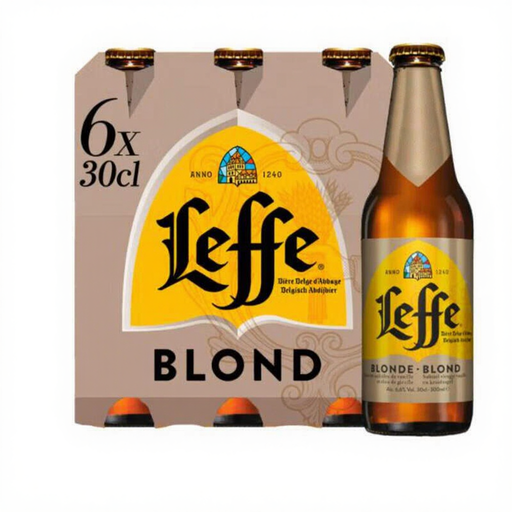
Why it's a match: Ideal for those who want to explore the world of Belgian specialty beer without immediately committing to an extremely heavy or complex brew. An approachable classic for an aperitif or dinner.
This beer isn't too heavy or bitter. It's a balanced blond beer that provides a great introduction to the abbey style without being overwhelming.
Smooth and subtle flavour with a hint of vanilla and clove. A reliable and widely appreciated choice.
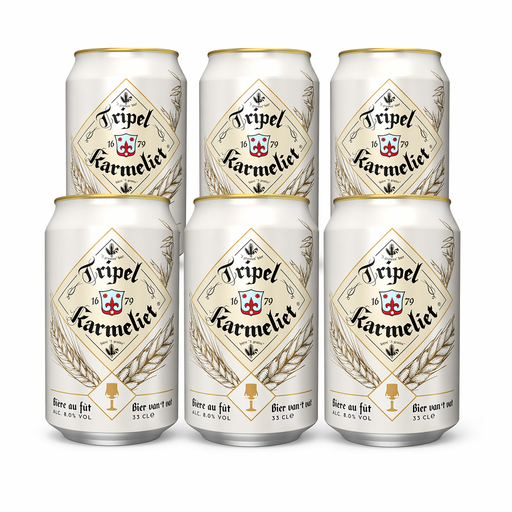
Why it's a match: For the drinker looking for depth. This beer offers a layered flavour experience and is perfect for a quiet moment of enjoyment or with a rich meal.
This is not your standard tripel. The name promises complexity and delivers on it with a unique recipe, so you don't end up with a one-dimensional, heavy beer.
Brewed with three grains (barley, wheat, and oats), which creates a creamy mouthfeel and a refined taste with notes of vanilla and citrus.
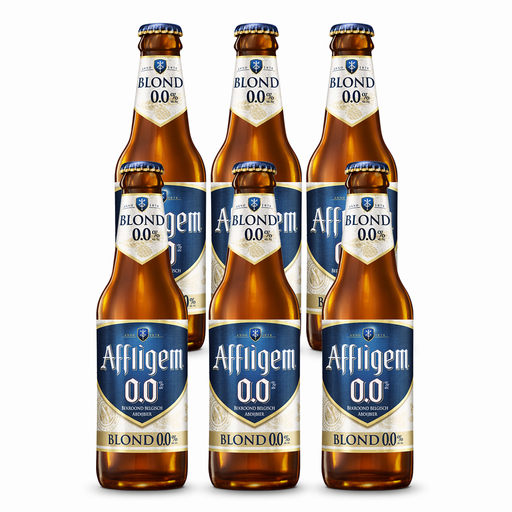
Why it's a match: For moments when you want the full flavour of a Belgian abbey beer but prefer to skip the alcohol. Ideal for lunch, when you still have to drive, or simply as a mindful choice.
Many non-alcoholic beers lack body and flavour. This beer was specifically developed to offer the rich, smooth taste of an abbey beer, but with 0.0% alcohol.
According to the brewer, it offers a rich and smooth taste with a light, bitter finish, providing a full-bodied beer experience without the alcohol.
We've compiled a complete, up-to-date list of beers that meet these selection criteria. Find the perfect match for your taste.
The term abbey beer is not protected and refers to a beer style with a historical link to an abbey, such as Leffe or Affligem. A Trappist beer must adhere to strict rules: it is brewed within the walls of a Trappist monastery, under the supervision of monks, and a portion of the proceeds goes to charity. There are only a handful of Trappist breweries worldwide.
A simple rule of thumb: pair light beers with light dishes and heavy beers with heavy dishes. A blond beer is delicious with chicken, salads, or fish. A brown beer or dubbel pairs well with red meat, stews, and aged cheese. A fruity beer like Leffe Ruby can be a surprisingly good match for desserts or spicy dishes.
Store the bottles upright in a cool, dark place, such as a cellar or a cool cupboard. This prevents the beer from coming into contact with the crown cap, which can affect the taste, and ensures that the yeast sediment settles neatly at the bottom. Avoid major temperature fluctuations and direct sunlight.
