
Vandaag of morgen in huis

Kwaliteit gegarandeerd

Welkomstaanbiedingen ontgrendelen: GRATIS bezorging | Tot 80% korting | Gratis 30 dagen JoyPlus-proefperiode
Download de app
Picking a bottle of Belgian speciality beer might seem straightforward. However, there are clear differences in flavour, alcohol content, size and packaging. If you only focus on a well-known brand name or an attractive deal, you could end up with a pack that doesn't suit your dinner, drinks occasion or the person you're buying for.
When choosing Belgian speciality beer, watch out for three common pitfalls:
The colour gives you an initial impression, but the label and product description are more important.
The term "abbey beer" doesn't refer to a single, fixed flavour profile. So always check the ingredients, alcohol content and serving information for each product.
A 300 ml bottle can be practical if you want to try several different beers side by side. A beer pack of 6 x 300 ml contains 1.8 litres in total. That's a manageable amount for a small gathering or as a gift pack.
Also pay attention to the difference between volume and strength. A 300 ml bottle of tripel at 9% alcohol is suited to a very different occasion than a 300 ml wheat beer at 4.8%. Pour stronger beers slowly and pair them with a meal or cheese board, for example.
If you're looking for larger servings, consider Leffe Blond in 4 x 500 ml. For variety, packs of 4 x 330 ml, such as La Trappe Tripel, La Trappe Blond or Tripel Karmeliet, are another practical option.
Many Belgian beers contain barley malt and gluten-containing grains. Product information states this for Affligem Blond, Affligem Dubbel and Leffe Brown, for example. Always check the packaging yourself when allergens are important, because product composition or labelling can change.
For quality, the product descriptions recommend storing in a cool place, away from direct sunlight and strong heat. Avoid large temperature fluctuations. The best-before information is on the packaging; check it before purchase and upon receipt.
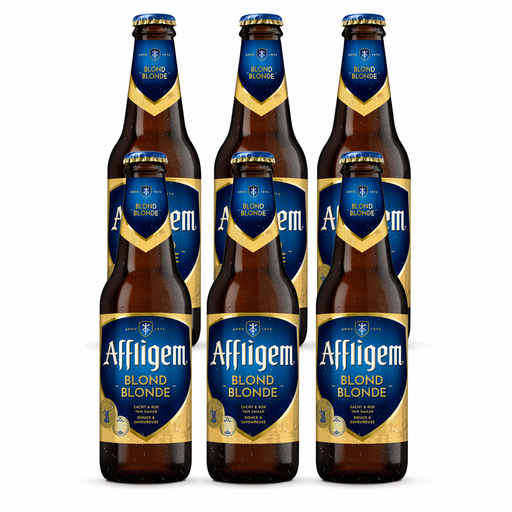
Why this suits the profile: A pack of six 300 ml bottles is a manageable introduction to Belgian speciality beer, perfect for a drink at home or a small gift.
The size and number of bottles are clearly stated, making it easy to compare the contents with other packs.
6 x 300 ml, blonde beer, 6.7% alcohol and, according to the product description, a soft fruitiness with mild bitterness.
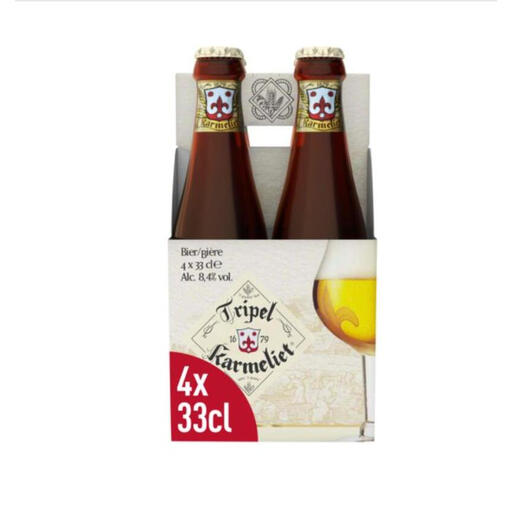
Why this suits the profile: Ideal for anyone looking for a distinctive tripel to enjoy with dinner, a cheese board or a quiet drinking moment.
The alcohol content of 8.4% is visible upfront, so you can plan your serving size and food pairing accordingly.
4 x 330 ml, gold to bronze in colour according to the product description, with 8.4% alcohol and ingredients including barley malt, wheat and oats.
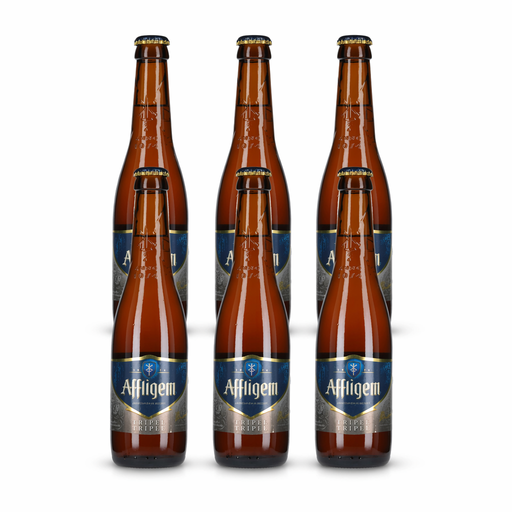
Why this suits the profile: A stock-up pack for lovers of strong speciality beer and for occasions with several guests.
The packaging clearly states both 6 x 300 ml and 9% alcohol, so you won't accidentally buy a smaller pack or a lighter beer.
6 bottles of 300 ml, tripel style, 9% alcohol and, according to the product description, layers of fruity and spicy flavour.
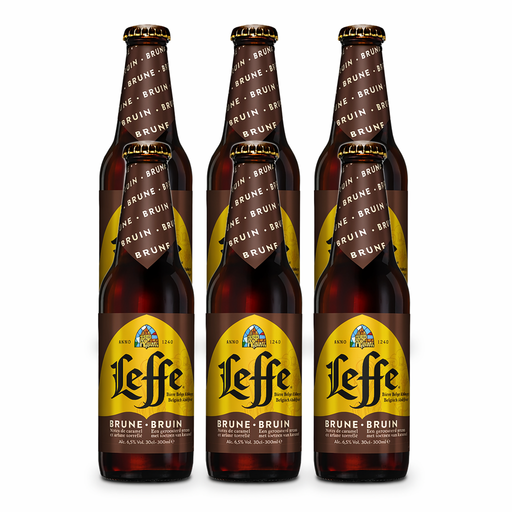
Why this suits the profile: A natural choice for anyone wanting to serve brown beer with stews, roasted meat or a savoury drinks spread.
The product information states the colour, style, volume and alcohol content, so the difference from blonde beer is clear upfront.
6 x 300 ml, 6.5% alcohol and, according to the product description, a dark colour with a full, slightly sweet flavour.
We've put together a full, up-to-date list of products that fully meet these strict selection criteria and comply with current European safety regulations.
For a good comparison, you can use this order:
A tulip glass often suits aromatic tripels and abbey beers. Wheat beer is usually served chilled. The recommended temperature varies by product, so follow the instructions on the label. Drink alcohol responsibly and only if you are of legal age.
Speciality beer is a broad category. Abbey beer is a style or origin reference within that category, used differently by different brands. So don't just look at the name; also check the type, ingredients and alcohol content.
That depends on how you plan to use it. A pack of 6 x 300 ml is suitable for a small stock or several tasting sessions. A pack of 4 x 330 ml is better suited to a smaller group. Always compare the total volume before judging the price.
Store the bottles according to the product information in a cool, dark place and avoid temperature fluctuations. Check that the seal is undamaged before opening. For the exact best-before date, refer to the date on the packaging.
