
Vandaag of morgen in huis

Kwaliteit gegarandeerd

Welkomstaanbiedingen ontgrendelen: GRATIS bezorging | Tot 80% korting | Gratis 30 dagen JoyPlus-proefperiode
Download de app
Buying Belgian abbey beer sounds simple until you are faced with a shelf or online product list featuring blonde, brown, tripel, dubbel, winter beer and ruby beer. Marketing copy often focuses on tradition and presentation, while important purchasing information is less visible. Comparing your options carefully helps you avoid choosing a pack that does not suit the occasion, your taste preferences or the number of guests.
This guide helps you compare Belgian speciality beers by beer style, alcohol content, volume, ingredients, allergens and pack size.
A blonde beer is not automatically light or low in alcohol. Leffe Blonde, for example, is listed at 6.6% alcohol, while a tripel often comes in at around 8.5% to 9%. A dark colour also does not tell you exactly how sweet, bitter or spicy the beer will taste.
So look at the beer style and alcohol content together. Blonde beers often work well as an aperitif or with lighter dishes, while brown or dubbel beers are better suited to stews, roasted meat and full-flavoured cheeses.
Breweries use terms such as authentic, centuries-old tradition and unique yeast. These may say something about the brand’s positioning, but they do not automatically determine your tasting experience. According to the brand’s own research or communications, such claims may form part of the product presentation; do not treat them as definitive proof of quality.
Instead, check specific information such as alcohol content, net volume, ingredients and serving suggestions. This allows you to compare Leffe beer and Affligem beer using information found on the label or product page.
A 250 ml bottle is not the same as a 300 or 330 ml bottle. A pack of 4 x 330 ml is also clearly different from 6 x 300 ml. For a Belgian beer tasting, several smaller varieties can be useful, while for drinks or dinner you should work out in advance how many bottles you need.
Also check the best-before or shelf-life information on the packaging. Product details and availability may change, so always check the label when your order arrives.
Use this classification as a practical starting point:
Flavour descriptions such as “fruity” or “spicy” are useful as a guide, but remain partly subjective. Use them alongside the technical details.
Alcohol content affects not only intensity, but also when a beer is practical to serve. For a long drinks occasion, a lower percentage may be more enjoyable than a tripel at 8.5% or 9%. At dinner or a tasting, you can serve stronger beers in smaller quantities.
Serve abbey beer according to the advice on the product packaging. A tulip glass can help gather the aromas, but the most important thing is that the glass is clean and the beer does not become unnecessarily warm. Drink responsibly and observe the legal minimum age.
Always compare:
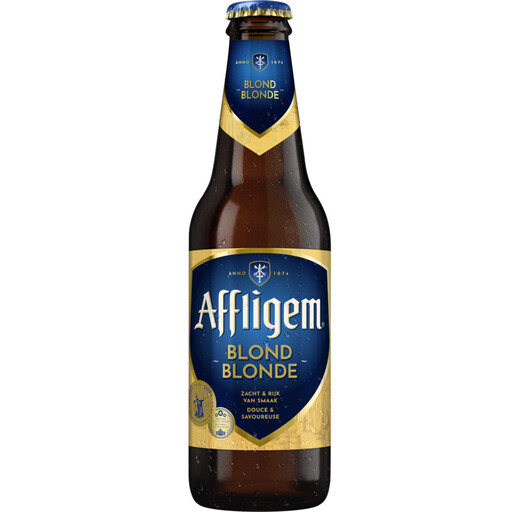
Why it suits this profile: A 300 ml bottle makes it easier to try a blonde abbey beer for yourself before choosing a multipack.
The style, volume and 6.7% alcohol content are clearly stated, so you do not have to choose based on colour or the brand story alone.
Blonde style, 300 ml per bottle and a described soft fruitiness with mild bitterness.
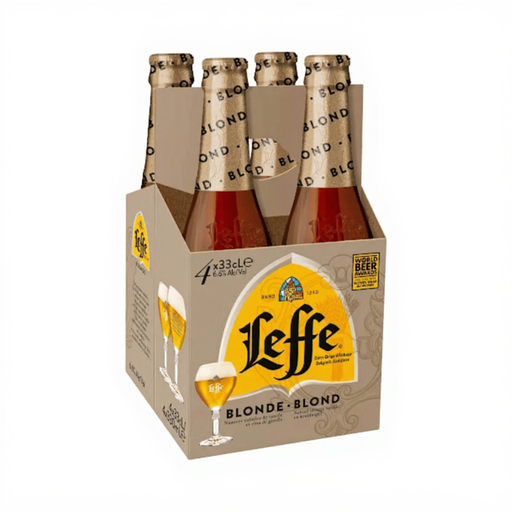
Why it suits this profile: A multipack containing four 330 ml bottles is well suited to dinner, giving or a small Belgian beer tasting.
The packaging states the number of bottles and volume per bottle, making the total quantity clear in advance.
Four 330 ml bottles, 8.5% alcohol and described notes of fruit, spices and caramel.
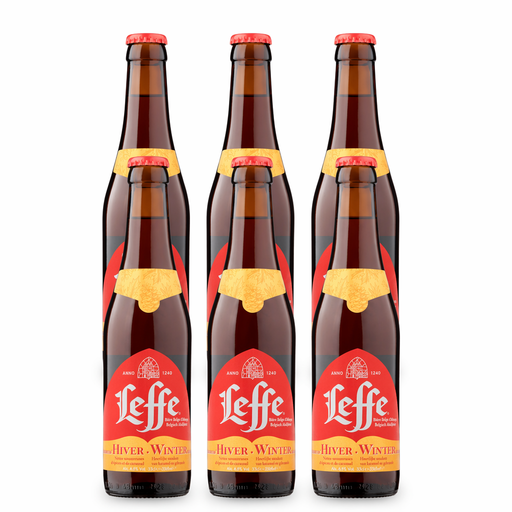
Why it suits this profile: A pack of six bottles is practical for a larger drinks occasion or for keeping a supply at home.
The pack format means you do not have to put together several individual bottles during an occasion; do check the best-before date on the packaging.
Six 330 ml bottles and a stated alcohol content of 6.6%.
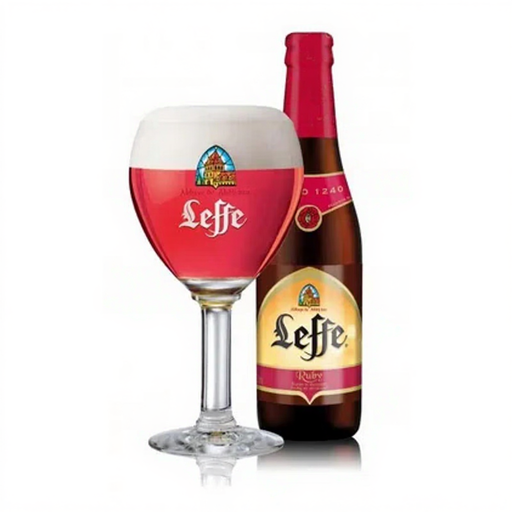
Why it suits this profile: The smaller bottle and fruity style pair well with an aperitif featuring red fruit, soft cheese or cured ham.
The product stands out in a verifiable way through its 250 ml volume and 5.0% alcohol content, rather than through its red colour alone.
Ruby beer with aromas of elderberry, strawberry and blueberry, according to the product description.
We have put together a complete, up-to-date list of products that fully meet these strict selection criteria and the applicable European safety regulations.
For a varied Belgian beer tasting, serve the styles in increasing order of intensity:
Chill the bottles in advance and make a note of the style, volume and alcohol content of each beer. Small tasting glasses make it easier to compare several varieties without immediately serving a full glass of each. Combine Leffe beer and Affligem beer only when the order and serving temperature remain clear.
Blonde beer usually has a lighter colour and fruity or spicy notes. Brown beer is darker and may have caramel or roasted flavours. Dubbel generally refers to a darker, fuller style. Tripel is usually golden in colour and often contains more alcohol, such as 8.5% or 9% in the products mentioned.
Check the best-before information on the bottle or packaging. Store the beer in a cool place, away from direct sunlight and without significant temperature fluctuations. Once opened, it is best to drink the bottle straight away, as the carbonation and aromas will fade.
That depends on the current price, volume and delivery costs. Compare the price per bottle or per 100 ml. A multipack is particularly practical when you already know the beer, are entertaining guests or are planning a beer tasting. For a first taste, an individual bottle is often the more cautious choice.
