
Small-pan cook
You make beetroot soup in a pan and want to blend a small portion in it, without having an extra jug to wash up. The Dutch Consumers’ Association describes blending in the pan as a practical use for a stick blender.


For a small pan of beetroot soup you’ve already cooked, a stick blender is an obvious choice if you want to blend it straight in the pan and avoid extra washing-up. The Dutch Consumers’ Association describes a jug blender as a way to achieve a smoother result, but check that the jug is suitable for hot soup. A soup maker is most practical when your portion falls within its fill limits. Cook firm beetroot until tender first, and follow the instructions for hot ingredients.
You make beetroot soup in a pan and want to blend a small portion in it, without having an extra jug to wash up. The Dutch Consumers’ Association describes blending in the pan as a practical use for a stick blender.
You prioritise a smooth soup and want to check whether a jug blender can handle a hot portion. The Dutch Consumers’ Association explains the difference in results between a stick blender and a jug blender.
You want to combine cooking and blending as much as possible, provided your portion is within the soup maker’s fill limits.
Choose this when: you want to blend a small portion straight in the pan.
The trade-off: there’s no need to transfer the soup, but the Dutch Consumers’ Association says a jug blender may give a smoother result.
Choose this when: a smooth texture matters and the jug is suitable for hot ingredients.
The trade-off: you’ll need to transfer the soup, and the blender won’t heat it for you.
Choose this when: you want to combine heating and blending, and your quantity is within the model’s fill limits.
The trade-off: the specified minimum and maximum quantities may determine whether the appliance is suitable for your small portion.
| What to consider | What to look for | Who might prioritise it |
|---|---|---|
| Blending straight in the pan | Check that the blender foot is detachable, fits in your pan and can be used with hot soup according to the instructions. | I want to blend a small portion without transferring the soup or washing up an extra jug; around 33% of consumers prioritise blending straight in the pan. |
| A smooth texture | Cook the beetroot until tender, then compare suitability for liquid preparations, speed settings and usable capacity. Don’t look at wattage alone. | If a smooth result matters more to me than transferring the soup and extra washing-up, I’ll choose based on texture; around 27% of consumers prioritise smooth blending. |
| Handling hot soup | Check that the jug is explicitly suitable for hot ingredients. With a stick blender, place the foot in the pan before switching it on. | When handling hot soup, I first want to know whether the appliance is suitable and how to minimise splashing; around 20% of consumers prioritise safe use with hot soup. |
| Combining heating and blending | Compare the programmes and minimum and maximum fill levels for hot preparations with the quantity in your recipe. | I want to keep steps to a minimum, but only if my portion is within the operating limits; around 20% of consumers prioritise combining cooking and blending. |
A standard blender won’t heat the soup, and not every jug is designed for hot ingredients. You may need to heat the soup separately or take another step during preparation.
Check the specifications and manual for the exact model to see whether the jug is suitable for hot preparations and whether the appliance has a cooking function. The Dutch Consumers’ Association also makes this distinction in its advice on soup blenders.
For the Tefal Blendforce Cook BL5768F0, Tefal specifies a maximum of 1.5 litres for cold recipes and 1.2 litres for hot recipes. The permitted quantity therefore varies depending on how you use it.
For the exact model, compare both the minimum fill level and the maximum quantity for hot preparations with your recipe.
If your hot portion exceeds the permitted quantity, you may need to prepare it in several batches.
You don’t need a chopper or whisk just to blend soup, and unused accessories take up storage space.
Choose accessories based on other tasks you actually want to do.
The ErgoMixx MSM66110 is a stick blender designed for blending straight in the pan, with a detachable metal foot.
The MultiQuick 7 MQ7000X has variable-speed control for anyone who wants to adjust the speed while blending.
The 3000 Series HR2521/40 is a stick blender, while the Viva SoupMaker HR2203/80 is a separate option for anyone looking for automatic soup preparation.
The PerfectMix+ BL871D is a jug blender for hot and cold preparations; the Blendforce Cook BL5768F0 also has a cooking function.
These Joybuy picks are stick blenders for blending soup. Check the instructions for the exact model before using it with hot ingredients.
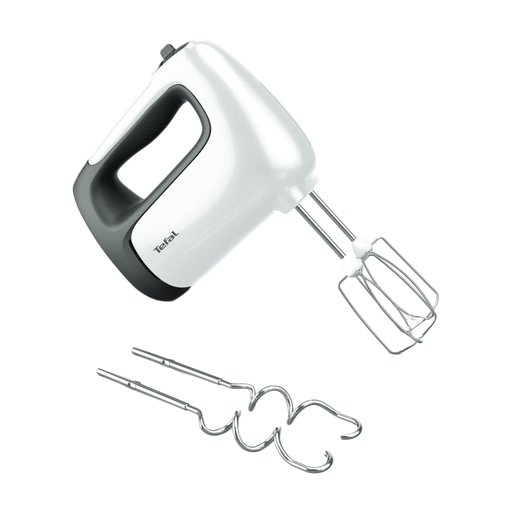 No image available
The product description lists soup as one use for the stainless steel blender foot.
450 W; five speeds.
 No image available
A stick blender for anyone who wants to blend soup; follow the operating limits while using it.
Up to 1200 W; stepless speed control; 700 ml measuring jug and 500 ml chopper. The product description recommends using it for a maximum of one minute at a time, followed by a one-minute rest.
 No image available
The product description lists thick soup as one use for this stick blender.
20 speeds and a turbo setting; the description mentions splash protection and dishwasher-safe parts.
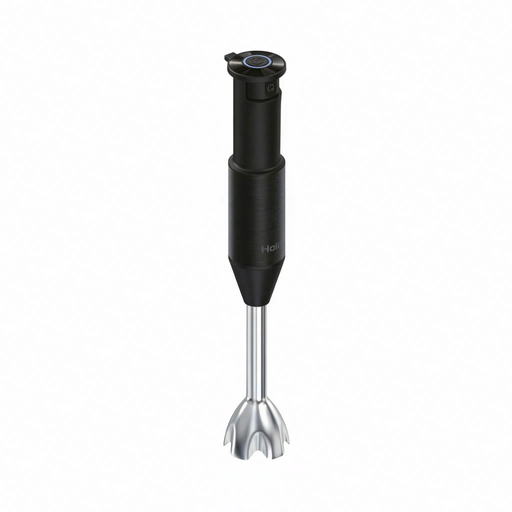 No image available
The product description lists soup as one of the uses for this hand blender.
Three-wing blade system; 0.9-litre beaker; detachable parts.
 No image available
The product title lists soup and purée as uses for this stick blender.
Detachable design; whisk, chopper, 500 ml chopper bowl and 800 ml measuring jug.
Yes, cook firm vegetables until tender first; they’ll be easier to blend. Add a little liquid if the mixture is too thick.
Place the blender foot in the pan before switching on the stick blender. Unplug it after use, and check the manual before putting detachable parts in the dishwasher.
Leave the soup to cool, then cover it and put it in the fridge within two hours. Keep leftovers there for up to two days, or freeze them if you want to store them for longer. This is the storage advice from the Netherlands Nutrition Centre.
In the Netherlands, statutory consumer rights apply without a fixed statutory warranty period: the product must meet what you could reasonably expect of it. If something goes wrong, contact the seller. Any manufacturer’s warranty is in addition to your statutory rights, as explained by the Dutch government.
The Netherlands Food and Consumer Product Safety Authority states that CE marking is compulsory for electrical appliances where the applicable rules require it. The marking isn’t proof that a specific model has been individually inspected or independently approved.