Who is this guide for?

Walkers who want quick close-ups

You want to capture a beetle shell while you’re out and about, without changing lenses, and protection from rain and knocks matters to you. OM SYSTEM Netherlands and Ricoh Imaging Europe describe compact models with macro features and protection for use on the go.

Photographers capturing fine shell textures

You want small patterns to show up clearly and are happy to adjust focus and lighting and use a dedicated macro lens. Nikon Netherlands and Canon Netherlands describe macro photography and suitable lenses for their camera systems.

Photographers capturing live beetles

Your subject may move or crawl away, so you’re thinking about working distance, lighting and taking photos carefully while following the rules of the location. Nikon Netherlands offers macro photography tips, while Staatsbosbeheer directs visitors to the information signs at nature reserves.

What should you look for when choosing?

Rugged compact camera

A good fit if: you want to take one camera on walks for accessible, stationary beetle shells or beetles.

Bear in mind: the lens is fixed; an extremely short shooting distance can leave little room for lighting and composition.

Mirrorless camera with a macro lens

A good fit if: you want more control over magnification and composition, or would like to keep some distance from a live beetle.

Bear in mind: you’ll need a compatible lens and will have extra kit to carry. At high magnifications, precise focusing may need more attention.

What to consider What should you check? Who is this most important for?
Magnifying small details Check the maximum magnification or close-up mode of the exact model. Higher magnification can make focusing and achieving sufficient depth of field more difficult. If I want to capture fine patterns at a large scale, I look at the magnification offered by the complete camera-and-lens combination. In this scenario, an estimated 33% of consumers put detail and magnification first.
Lighting and focus Check whether you can adjust focus and exposure, and whether you can use lighting without casting distracting shadows. Nikon Netherlands recommends, among other things, a stable setup and careful manual focusing for macro photography. If I want to get a curved or shiny beetle shell in focus, I pay attention to focusing options and the direction of the light. In this scenario, an estimated 27% of consumers prioritise lighting and focus.
Portability and protection Compare the protection and weight of the exact model with your complete setup. An interchangeable lens can mean extra luggage; protection for one component doesn’t automatically make the whole setup water-resistant. If I want to travel light on a walk and am concerned about moisture or knocks, I compare the complete setup. An estimated 20% of consumers prioritise portability and protection when out and about.
Distance from live beetles Consider both magnification and the space in front of the lens. Ricoh Imaging Europe lists a digital microscope mode for the PENTAX WG-90 from 1 cm; this doesn’t tell you how much room will be left for lighting or a moving subject. If I’d rather not get too close to a live beetle, I check the working distance of the specific setup. In this scenario, an estimated 20% of consumers prioritise keeping their distance from live beetles.

Common buying mistakes

  • Assuming a camera body or holiday kit is a complete macro setup

    A Canon EOS R50 kit may include standard zoom lenses, while the maximum magnification of 1.4× specified by Canon applies to a separate RF 100mm F2.8L Macro IS USM. That lens isn’t automatically included with a camera body or kit.

    Before you buy, check the full model name of the camera body and which lens is included.

    You may need to buy a separate compatible macro lens for this setup.

  • Confusing ‘from 1 cm’ with a comfortable working distance

    The PENTAX WG-90 specification describes shooting from an extremely short distance, but doesn’t tell you how much room you’ll have for lighting or a moving beetle.

    Check the composition you want and the space in front of the lens on the actual camera.

  • Assuming a warranty period covers all your statutory rights

    According to the Dutch government, there’s no fixed statutory warranty period in the Netherlands. Any manufacturer’s warranty or additional warranty offered is separate from your statutory rights with the retailer.

    Read the warranty terms and keep them separate from your statutory rights if a product is faulty.

Camera brands to consider

OM SYSTEM

The Tough TG-7 is a compact camera with macro modes, suited to photographers who want to travel without a separate lens.

  • OM SYSTEM Netherlands describes the TG-7 as water-, dust- and shock-resistant and lists macro photo modes.
  • The lens is fixed. Consider the shot and working distance you need rather than relying on the general macro label alone.

PENTAX

The WG-90 is a compact camera for close-ups on the go.

  • Ricoh Imaging Europe specifies a digital microscope mode from 1 cm and six built-in macro LEDs.
  • A short shooting distance doesn’t guarantee there’ll be room in front of the lens for lighting or a live beetle.

Canon

The EOS R system is worth considering if you want to pair a mirrorless camera with a separate, compatible RF macro lens.

  • Canon Netherlands specifies a maximum magnification of 1.4× for the RF 100mm F2.8L Macro IS USM and states that RF lenses are compatible with EOS R system cameras.
  • That magnification applies to the separate lens, not automatically to an EOS R50 with an included kit lens. Check the complete setup.

Nikon

Nikon offers Z macro lenses for use with a compatible mirrorless camera.

  • Nikon Netherlands lists a reproduction ratio of 1:1 for the NIKKOR Z MC 105mm f/2.8 VR S.
  • The lens isn’t a complete camera. Nikon also highlights the importance of focusing and a stable setup for macro photography.

Sony

Sony’s E-mount system offers separate macro lenses for use with a suitable mirrorless camera.

  • Sony Netherlands specifies 1:1 magnification for the FE 90mm f/2.8 Macro G OSS.
  • Check the camera body, mount and lens in the complete setup. This manufacturer’s specification isn’t a comparison with other brands.

Cameras at Joybuy

The Joybuy selection below includes cameras for taking out and about, including kits with a zoom lens. Check each model and included lens to make sure the combination can capture the close-up of a beetle shell you’re after.

Sony ZV-E10 with 16-50mm zoom lens, black

Sony ZV-E10 + 16-50mm Zoom Black

This kit is described as a mirrorless camera with a 16–50 mm lens for travel and everyday use. Check whether the combination can achieve the close-up composition you want for a beetle shell.

Joybuy
Sony Alpha A6100 with 16-50mm f/3.5-5.6 OSS II lens

Sony Alpha A6100 + 16-50mm f/3.5-5.6 OSS II

The product name lists a 16-50mm f/3.5-5.6 OSS II lens with the camera. Check whether the complete setup offers the focus and framing you need to capture small details on a beetle shell.

Joybuy
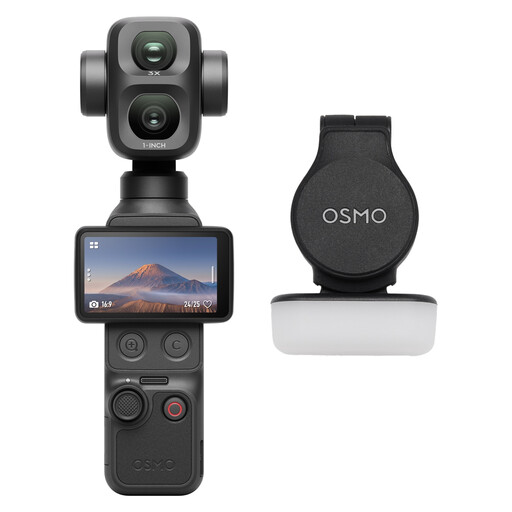
Osmo Pocket 4P Standard Combo, black

Osmo Pocket 4P Standard Combo Black

This camera is described as compact and portable for days out. Before buying, check that it’s suitable for the close-up distance and framing you want.

Joybuy

Frequently asked questions

Is a minimum focusing distance of 1 cm automatically suitable for photographing a live beetle?

No. The WG-90 specification describes how close the camera can shoot in a particular mode, not how much practical room there is for lighting or a moving beetle. So compare the composition you want with the space available around the camera.

How can I photograph a stationary beetle shell if it’s not all in focus?

Keep the subject steady, choose your focus point carefully and try lighting it from different directions. For macro photography, Nikon Netherlands recommends, among other things, using a tripod, focusing manually and paying attention to depth of field. These tips aren’t essential for every shot or purchase.

Who can help if my camera is faulty, and what about warranties in the Netherlands?

According to the Dutch government, the retailer must provide a solution if a product is faulty. There’s no fixed statutory warranty period in the Netherlands; what you can expect depends, among other things, on the product and normal use. A manufacturer’s warranty or additional warranty is separate from this.

Can I leave the path anywhere in a Dutch nature reserve to take a photo?

First, check the rules for the specific area. The Dutch government states that provinces help decide what’s allowed in their areas, and Staatsbosbeheer directs visitors to the information signs. This doesn’t mean you can leave the path anywhere to photograph a beetle.
