
Vandaag of morgen in huis

Kwaliteit gegarandeerd

Welkomstaanbiedingen ontgrendelen: GRATIS bezorging | Tot 80% korting | Gratis 30 dagen JoyPlus-proefperiode
Download de app
Searching online for beer and alcoholic mixed drinks may seem simple. Yet the range of products can quickly become overwhelming. Are you choosing a large multipack for a barbecue, a fruit beer for a relaxing evening or ready-to-drink cocktails for a party? The packaging, flavour description and alcohol content together determine whether a product suits the occasion.
As a consumer aged 18 or over, pay particular attention to verifiable information on the label. Marketing terms such as “refreshing”, “premium” or “tropical” tell you less than the size, ingredients and alcohol content.
A tray of 24 cans can be practical for a large gathering, but less suitable if you want to try different flavours or have limited storage space. Conversely, a multipack of small bottles can be relatively inconvenient when you are buying for a large number of guests.
So look at the following first:
A name such as “fruit”, “mango” or “pink gin” points you in a certain direction, but does not always give you the full picture. A fruit beer may taste sweet, sour or slightly bitter. A premixed drinks assortment may also contain more sugar or sweeteners than you would expect based on the pack size.
Check the ingredients list. For example, Amstel Radler Fruity Cider 2.0% lists lemon, orange, lime and acerola juice from concentrate. Liefmans Peach contains, among other ingredients, peach, glucose-fructose syrup, fructose syrup and sweetener. This makes it easier to compare fruit beer and radler.
A small container does not automatically mean a low alcohol content. A can of Bacardi Mango Mojito contains 5,0% alcohol, while Amstel Rosé Fruity Cider lists 4,0%. Brand India Pale Ale contains 7,0%, according to the product information. These are different drink categories intended for different occasions.
As well as the alcohol content, check the nutritional values per 100 ml and, where available, per pack. The values mentioned are product information; always check the label on the packaging for the most up-to-date details.
Compare alcohol content (vol%) before combining products in one order. Pilsner, speciality beer, international beer and IPA beer can vary considerably. Examples from the range include:
A lower percentage is not a judgement on quality, but it may be better suited to a longer meal or when you want to serve several varieties alongside one another. Drink responsibly and alternate with alcohol-free drinks.
For a dinner, individual 330 ml or 300 ml bottles are easy to distribute. For a party, a pack of 4, 6 or 24 may be more convenient. Bear in mind that a product containing several bottles will not automatically have the same price per litre as an individual pack.
Here are some practical examples:
Beer often contains barley and therefore cereals containing gluten. Amstel Radler Fruity Cider lists barley as an allergen. Liefmans Peach contains barley and wheat. Kirin Ichiban and Singha also list barley or malted barley.
Read the current packaging with every order, particularly if you have allergies or food intolerances. It is also important to check the ingredients and nutritional values of alcohol-free alternatives. An alcohol-free gin and tonic contains no alcohol, but may still contain sugar or sweeteners. For example, Sir James Pink Gin & Tonic lists 9 grams of sugar per 100 grams.
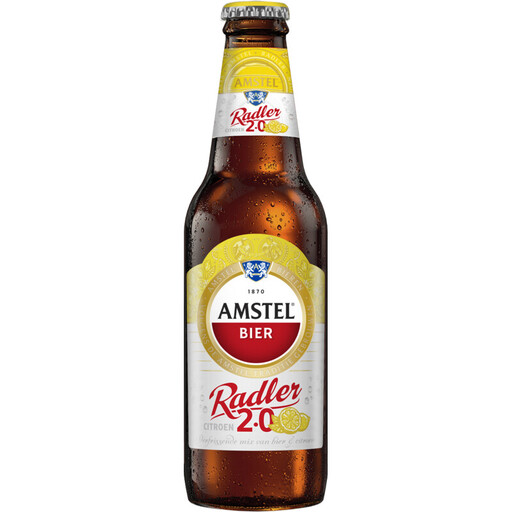
Why it suits this profile: The 300 ml bottle and 2,0% alcohol content make this an easy-to-manage choice for anyone wanting to try radler or a light, fruity mixed drink.
The volume, alcohol content and ingredients are clearly specified. This means you do not have to commit to a large multipack before knowing whether you like the flavour.
300 ml per bottle, 2,0% alcohol and 36 kcal per 100 ml according to the product information. It does contain barley and cereals containing gluten.
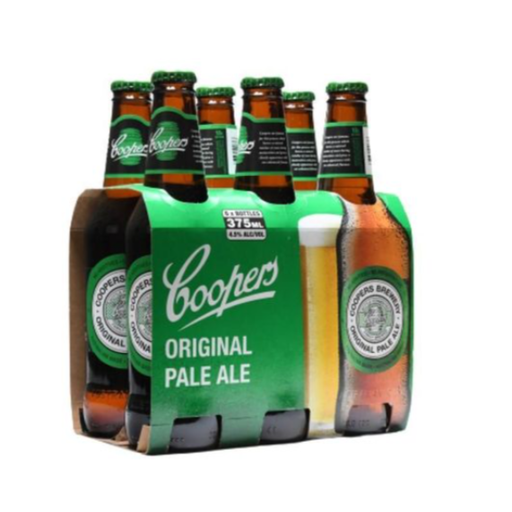
Why it suits this profile: This Australian pale ale offers a different beer style from pilsner and is suitable for buyers who want to serve an international speciality beer with a meal.
The product information gives the country, brewery, volume, colour and alcohol content. This provides more useful guidance than a flavour name alone.
6 bottles of 37.5 cl, 4,5% alcohol and an Australian pale ale style. Check the label for the latest allergen information.
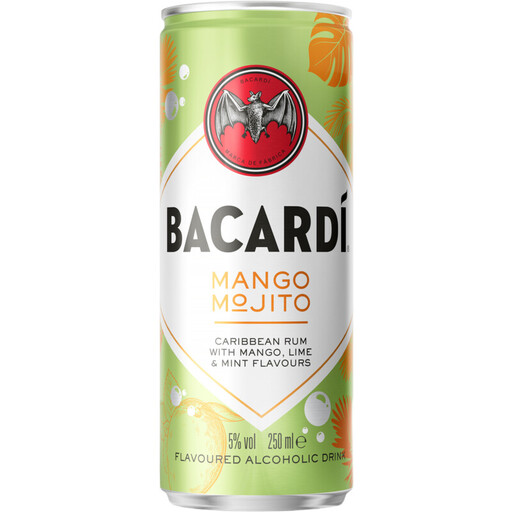
Why it suits this profile: This ready-to-drink cocktail in a 250 ml serving is practical for barbecues, parties and occasions when you do not want to buy separate cocktail ingredients.
The alcohol content and net volume are clearly stated. This makes it easier to plan servings than with cocktails mixed from scratch.
250 ml per can, 5,0% alcohol and, according to the product description, made with Bacardi Carta Blanca rum, sparkling water and natural flavourings.
For those who prefer not to drink alcohol, Sir James Pink Gin & Tonic is an alternative with a juniper flavour. The product is described as an alcohol-free carbonated soft drink and, according to the product information, contains none of the 14 main EU allergens. If you are looking for Asian beer, you can compare Kirin Ichiban, Singha, Leo Beer or a 24-pack of LEO Premium Thai Lager based on size, alcohol content and how well they pair with a meal.
We have put together a complete, up-to-date list of products that fully meet these strict selection criteria and the applicable European safety regulations.
Radler is generally a mix of beer and a soft drink or fruit-based component. Fruit beer uses beer as its base, with fruit flavours or fruit ingredients. Cider is traditionally made from apple juice or other fruit, although product names may vary from one brand to another. Always check the product category and ingredients list.
First compare the alcohol content, volume per pack, number of items and ingredients. Also check the delivery information, age verification and storage advice. Store alcoholic drinks in a cool place, away from direct sunlight and out of reach of anyone under 18.
This depends on the brand, pack size and ingredients you need. A ready-to-drink cocktail saves time and gives you consistent serving sizes. Mixing your own drinks may be cheaper if you already have spirits, soft drinks and garnishes at home. Compare the price per litre rather than just the price per can or bottle before buying alcoholic drinks online.
