
Vandaag of morgen in huis

Kwaliteit gegarandeerd

Welkomstaanbiedingen ontgrendelen: GRATIS bezorging | Tot 80% korting | Gratis 30 dagen JoyPlus-proefperiode
Download de app
Craving a quick, flavorful meal? Frozen gyoza are often the perfect solution. These Japanese dumplings are a lifesaver on busy nights or whenever you want a delicious Asian appetizer. However, not all beef gyoza in the freezer aisle are created equal. Before you fill your shopping cart, it's wise to know what to look for. This will help you avoid disappointment and ensure you're bringing home something truly delicious.
The packaging often looks promising, but the contents can sometimes be a letdown. These are the most common pitfalls:
To make a great choice, you just need to check the label. Pay attention to the following three points, and you'll know exactly what you're buying.
The most important indicator of quality is the percentage of beef. This is legally required to be listed in the ingredients. Look for a declaration like Beef (20%). A higher percentage typically means a fuller, richer flavour. Also, check what other ingredients make up the filling. Vegetables like onion, cabbage, and ginger are classic additions that complement the taste.
A good wrapper is essential for the perfect gyoza. It needs to be sturdy enough to hold the filling together, yet thin enough for a pleasant texture. The base is usually wheat flour. The cooking instructions often give a hint about the quality. If a product is suitable for multiple methods, such as boiling, steaming, and pan-frying gyoza, the wrapper is generally of good quality.
A short and understandable ingredient list is often a good sign. Pay attention to the order: the ingredient present in the largest quantity is listed first. Also, check for allergens like soy, gluten (wheat), and sesame, which are common in Asian products. This way, you won't face any surprises.
To help you get started, we've highlighted a few options that cater to different preferences.
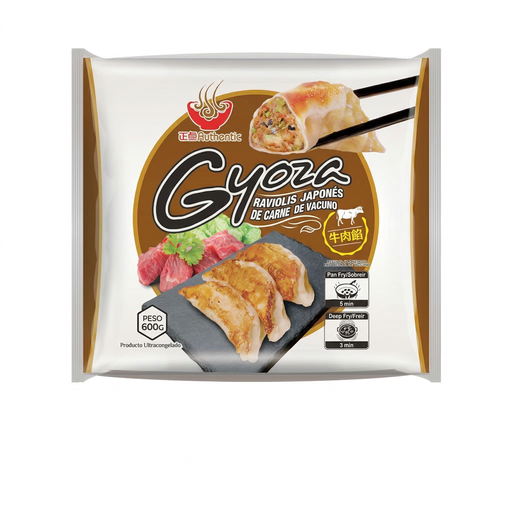
Why This Fits Their Persona: This 600g family pack is ideal for a quick meal for the whole family. The classic flavour of beef with vegetables is a crowd-pleaser and not too spicy.
With a beef percentage of 20% and a filling supplemented with fresh vegetables, you avoid the pitfall of a flavourless pouch. The wrapper is sturdy enough to be pan-fried directly from frozen.
Large pack size at a great price. Easy and quick to prepare without thawing.
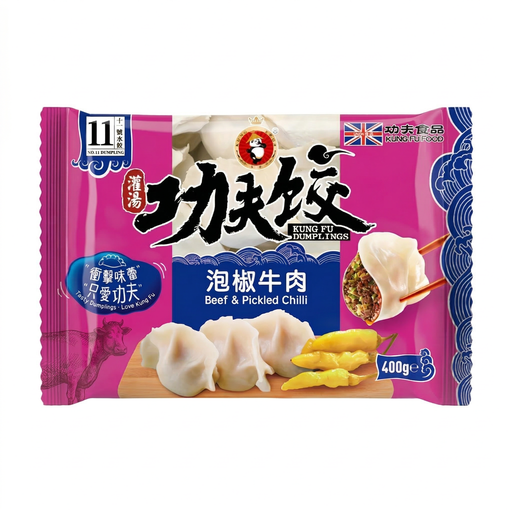
Why This Fits Their Persona: For those who want something different from the standard gyoza. The addition of pickled pepper provides a spicy and tangy kick that adds a new dimension to the rich flavour of the beef.
The flavour comes from real ingredients like pickled chili pepper, not from a vague mix of flavour enhancers. The ingredient list is clear and focused on a specific taste experience.
Unique, spicy flavour for enthusiasts. Good protein content of 10.2 grams per 100 grams.
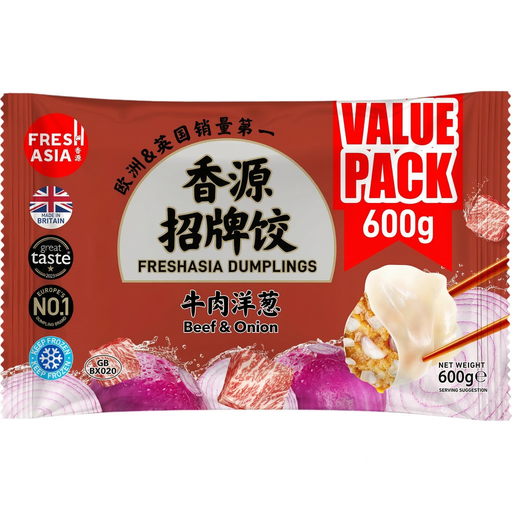
Why This Fits Their Persona: These dumplings offer the familiar and beloved combination of beef and onion. A safe yet flavorful choice that honors the essence of a good dumpling.
With a high beef percentage of 23% and 11% onion, you know the filling is packed with flavour. The ingredients are straightforward and focused on a classic taste profile.
Rich, traditional flavour due to a high meat and onion content. Large 600g value pack.
This is just a sample of what's available. We've compiled a complete list of products that meet these selection criteria.
For the classic potsticker method, heat a little oil in a non-stick skillet. Place the frozen gyoza in the pan and fry over medium-high heat until the bottoms are golden brown (about 2-3 minutes). Then, add a small amount of water (about 1/4 cup or 60 ml), immediately cover the pan with a lid, and let the gyoza steam for 5-7 minutes until the water has evaporated. Remove the lid and fry for another minute to make the bottom crispy again.
No, it's actually better to cook gyoza and other frozen Asian appetizers directly from the freezer. Most package instructions are designed for this. If you thaw them first, the dough becomes sticky and soft, making them more likely to fall apart during cooking.
Gyoza is the Japanese version of the Chinese jiaozi. The main difference is often in the details. Gyoza typically have a thinner wrapper and a more finely ground filling. They are usually pan-fried on one side and then steamed (the potsticker method), resulting in a unique texture that is both soft and crispy. Other beef dumplings from different cuisines might be fully boiled, steamed, or deep-fried and often have a thicker dough.
