
Vandaag of morgen in huis

Kwaliteit gegarandeerd

Welkomstaanbiedingen ontgrendelen: GRATIS bezorging | Tot 80% korting | Gratis 30 dagen JoyPlus-proefperiode
Download de app
Looking for a quick, flavourful meal? Frozen beef dumplings seem like the perfect solution. A quick pan-fry or boil, and you have a delicious Asian meal on the table. But the selection in the freezer aisle can be overwhelming, and not every bag delivers on its promise. As a Joybuy Product Recommendation Officer, I'm here to help you cut through the marketing jargon and make the right choice.
Before you toss a random bag into your cart, it's wise to consider a few common pitfalls. Many consumers get home only to be disappointed by their purchase. This is easily preventable.
To avoid these disappointments, you don't need to be an ingredients expert. By paying attention to a few objective specifications, you can make a much better assessment of quality.
The most reliable indicator of a flavourful dumpling is the beef percentage. According to European regulations (QUID), manufacturers must declare the percentage of characterising ingredients. A higher percentage of beef (ideally above 20%) typically means a fuller, richer flavour and a better texture. Products with less than 15% meat are often bulked up with other ingredients, which affects the taste and mouthfeel.
The filling defines the dumpling's character. Look beyond just "beef" and pay attention to the combination of ingredients. This will help you find a flavour that suits your palate.
bulgogi dumplings are marinated in a blend of soy sauce, sugar, and garlic, resulting in a unique sweet-and-savoury taste.By scanning the ingredients list, you can get a good idea of the expected flavour profile of these Chinese dumplings or Asian dumplings.
Although the terms are often used interchangeably, there are subtle differences. Jiaozi with beef is the general Chinese term. Beef gyoza is the Japanese variant, which often has a thinner wrapper and is ideally suited for pan-frying into beef potstickers: crispy on the bottom, soft and steamed on top. The recommended cooking method on the package (boiling, steaming, or frying) often hints at the dough's texture. A thinner dough is perfect for a crispy base, while a slightly thicker dough holds its shape better during boiling.
To get you started, we've highlighted a few popular choices tailored to different preferences. This selection is based on the product specifications listed on the packaging.
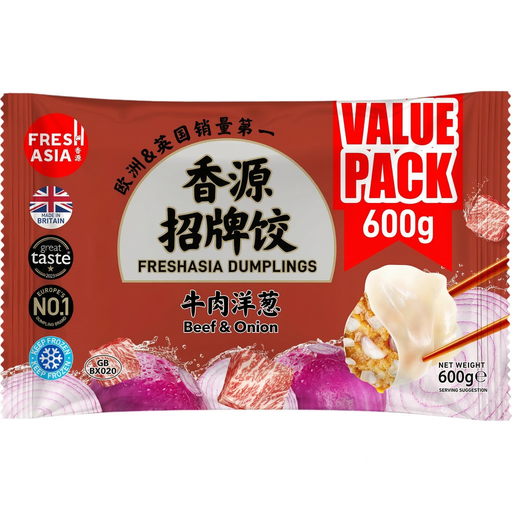
Why This Fits Their Persona: Ideal for those seeking a quick, reliable, and filling meal after a long day. The classic combination of beef and onion is a crowd-pleaser, and the large pack size ensures you always have something on hand in the freezer.
This product bypasses the vague ingredients pitfall. The packaging clearly specifies 23% beef and 11% onion, indicating a substantial, flavourful filling.
Large value pack (600g) and a versatile, classic flavour suitable for boiling, steaming, and pan-frying.
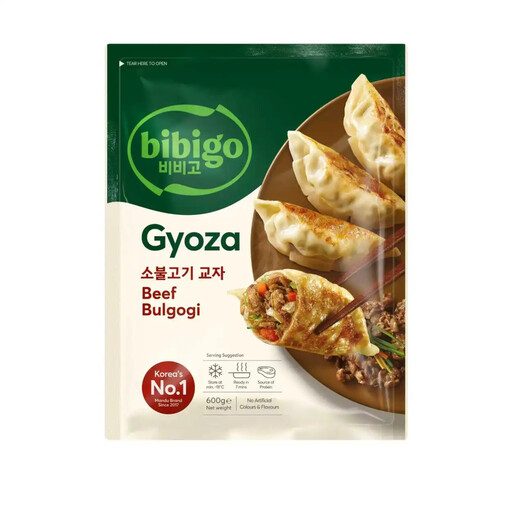
Why This Fits Their Persona: For the foodie who wants something different from the standard dumpling. The Korean bulgogi flavour offers an exciting change of pace and is perfect for those who love sweet-and-savoury combinations.
This product tackles the 'bland flavour' pitfall. The ingredients list, featuring soy sauce, apple puree, and sugar, promises a complex and distinct taste that lives up to the 'bulgogi' name.
Authentic Korean flavour from a well-known brand. The gyoza shape is ideal for pan-frying to achieve a crispy texture.
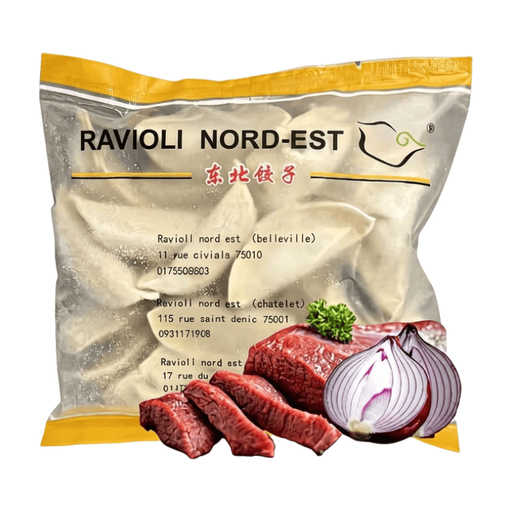
Why This Fits Their Persona: For those who want the meatiest, most traditional dumpling experience. No frills, just a focus on a rich, savoury beef flavour reminiscent of what you'd find in a Northern Chinese kitchen.
This product tackles the 'empty shell' pitfall head-on. According to the product information, the filling contains an impressive 50% beef—an exceptionally high percentage that guarantees a full-bodied flavour.
Very high meat content for a superior, meaty taste. The dough wrapper has a texture reminiscent of handmade jiaozi.
We've compiled a complete, up-to-date list of products that meet these selection criteria. Find the perfect beef dumpling for your taste.
No, in fact, it's better not to. For the best results, cook frozen beef dumplings directly from the freezer. This helps the dough stay firm and ensures the filling cooks evenly. Thawing can cause the dumplings to become sticky and fall apart during preparation.
These terms are often used interchangeably, but there are subtle differences.
If you don't use the entire bag at once, it's important to store the remaining dumplings properly to prevent freezer burn. Squeeze as much air out of the bag as possible, seal it tightly with a clip or knot, or transfer the dumplings to a resealable freezer bag. Return them to the freezer immediately at a temperature of -18°C (0°F) or lower.
