
Same-day & Next-day Delivery

Quality Guaranteed

Unlock Your Welcome Offers: FREE Delivery | Up to 80% OFF | Free 30-day JoyPlus trial
Download the APP
By Joybuy Product Recommendation Officer, 28 July 2026
The idea is perfect: a quick, flavourful, and warm meal in minutes. You pull a bag of frozen dumplings from the freezer, but the result is a disappointment. Soggy dough that falls apart, a filling that tastes more like cardboard than beef. It's a common problem when buying frozen products.
Many packages promise an authentic Asian experience, but the contents fall short of expectations. Before you put another bag in your basket, it's good to know what the pitfalls are.
beef gyoza has a bottom that is golden-brown and crisp, while the rest remains soft.Asian dumplings so distinctive is often missing.Fortunately, with a little know-how, you can easily avoid these disappointments.
To ensure you come home with a quality purchase next time, there are a few objective specifications you can check directly on the packaging.
The key to a flavourful dumpling is the filling. A look at the ingredient list is essential here.
Japanese gyoza or Korean dumplings. Brands like Bibigo, for example, are known for their specific flavour profiles, such as bulgogi.The wrapper is just as important as the filling. It determines the texture and whether the dumpling stays intact during preparation.
pan-fry dumplings for that signature crispy bottom (potsticker-style).Not all frozen dumplings are created equal. To help you with your choice, we've matched some popular options to different preferences and situations.
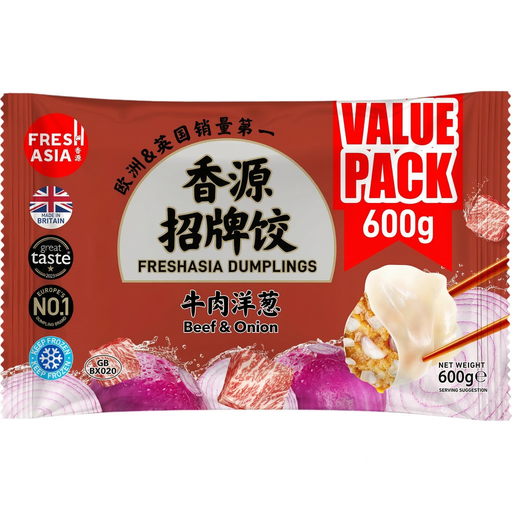
Why This Fits Their Persona: Ideal for students, young professionals, or families who want to stock their freezer with tasty and affordable meals. The large 600g package offers great value for money.
With a clearly stated beef percentage of 23% and onion as the main seasoning, you avoid the pitfall of a vague, undefined filling. You know exactly what you're eating.
Large package (600g) for multiple meals. Classic and approachable flavour combination of beef and onion.
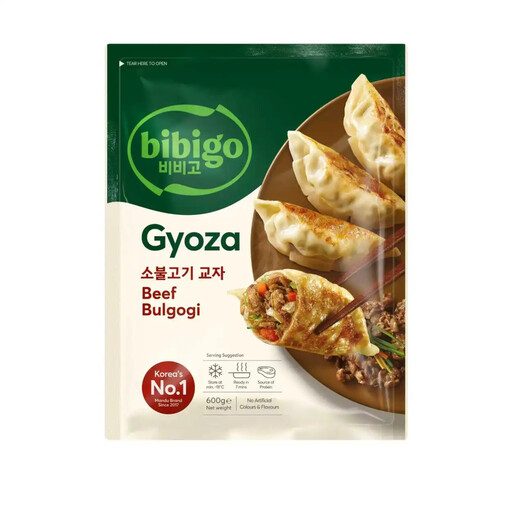
Why This Fits Their Persona: For those seeking a specific, restaurant-quality flavour. These Korean dumplings are filled with the signature sweet-and-savoury taste of bulgogi, which goes a step beyond a standard beef filling.
This product tackles the 'generic flavour' pitfall. The bulgogi flavour, with ingredients like soy sauce, apple puree, and sugar, offers a complex and authentic Korean taste profile.
Authentic Korean flavour. The dough is specifically designed to perform well in the pan, resulting in a perfect `beef gyoza`.
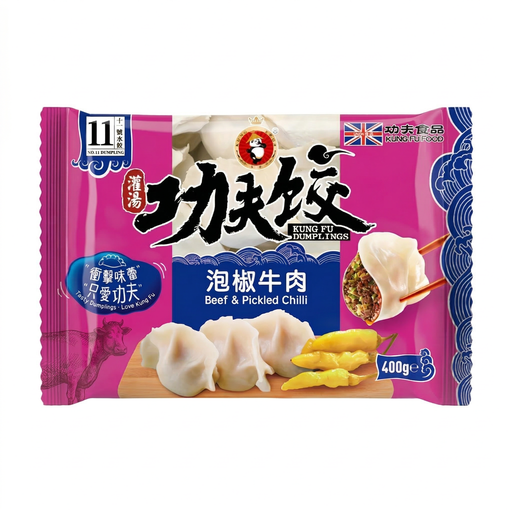
Why This Fits Their Persona: For those who want something different from the standard flavours. The addition of pickled peppers gives these dumplings a spicy and slightly tangy kick you won't easily find in other varieties.
This dumpling is the opposite of a generic taste. The pickled chilli pepper is a bold choice that creates a unique and distinct flavour profile.
Unique, spicy flavour. High protein content (10.2g per 100g) for a nutritious meal.
We have compiled a complete, up-to-date list of products that fully meet these strict selection criteria and current regulations.
For the best result (potsticker-style), heat a tablespoon of oil in a non-stick pan over medium-high heat. Place the frozen dumplings flat-side down and fry for 2-3 minutes until the bottom is golden-brown. Carefully add about 60-80 ml of water (be careful of splattering) and immediately cover with a lid. Let them steam for 5-7 minutes until the water has almost evaporated. Remove the lid and fry for another 1-2 minutes until the bottom is extra crispy.
Although they look similar, there are subtle differences. Japanese gyoza typically have a thinner wrapper and are almost always pan-fried first and then steamed (the potsticker method). The filling often has a finer texture. Chinese dumplings, or jiaozi, have a slightly thicker, rounder wrapper and are more often boiled or steamed, although pan-frying is also popular. The filling can be a bit coarser.
No, it's actually better not to. Frozen dumplings are designed to be cooked straight from frozen. If you thaw them first, the dough becomes sticky and moist, making them likely to fall apart during cooking. Always follow the instructions on the package for the best result.
