
Viewer with limited space
Wants to watch from bed without the TV dominating the wall or furniture. The Consumentenbond recommends using viewing distance as a starting point; you should also measure the set’s overall dimensions.


Choose a bedroom TV based on the distance from your bed and the space available for the set. Screen size alone won’t tell you whether its overall dimensions will fit. If you often watch with the lights dimmed and dark scenes matter to you, compare OLED and LCD LED TVs model by model. In daylight, brightness and reflections are also worth considering. Check that your preferred streaming app is available and that you can hear dialogue clearly.
Wants to watch from bed without the TV dominating the wall or furniture. The Consumentenbond recommends using viewing distance as a starting point; you should also measure the set’s overall dimensions.
Often watches with the lights dimmed and pays attention to dark scenes and viewing angles. The Consumentenbond outlines the general differences between OLED and LCD TVs; compare the features of the specific models you’re considering.
Wants to start a short film quickly and follow the dialogue. The Consumentenbond points out that apps can vary between smart TVs, and that smaller TVs don’t always deliver good sound.
First measure the viewing distance and available space, then compare screen technology, streaming and energy use. The Consumentenbond suggests a comfortable viewing distance of around 2.4 times the screen diagonal. Use this as a starting point, and also check the overall dimensions, including the stand.
| What to consider | What to look for | Who is this relevant to? |
|---|---|---|
| Size and placement | Measure the distance from your eyes and check the TV’s overall dimensions, including the stand. | When I watch from bed, I want the screen to suit the viewing distance and available space; around 31% of consumers put fit and viewing distance first. |
| Contrast for films | Compare the picture quality and viewing angle of the specific models, and check whether your source supports HDR. | For films with dark scenes, I want to consider contrast and viewing angle; around 25% of consumers prioritise film contrast over other purchasing concerns. |
| Streaming and speech | Check that your preferred app is available on the specific TV platform, and assess speech clarity and ease of use. | I want to start a film without any hassle and follow the dialogue easily; around 19% of consumers prioritise convenient streaming and clear speech. |
| Ambient light | Check the brightness and reflections of the specific model in conditions similar to your bedroom. | If I also watch during the day, I want the picture to remain clear in my room’s lighting; around 13% of consumers prioritise visibility in ambient light. |
| Energy use | Compare the energy information for the specific models, taking your viewing habits and picture settings into account. | I want to consider energy use alongside size and picture quality; around 12% of consumers put energy use at the top of their purchasing concerns. |
The screen size in inches doesn’t tell you how wide or tall the TV is. With the stand, it may take up more room than you expect.
Measure the available space and check the overall dimensions, including the stand, before choosing a size.
Samsung Netherlands lists the UE32F6000FUXXN as a 32-inch Full HD smart TV.
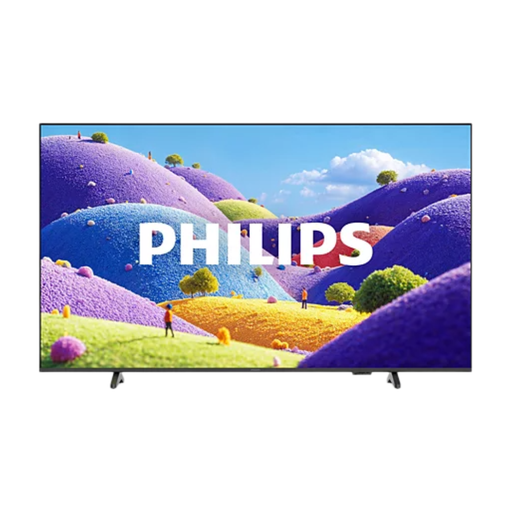
Philips Netherlands lists the 43PUS8001/12 as a 43-inch 4K LCD LED TV with Ambilight and Titan OS.
LG Netherlands lists the OLED42C68LA as a 42-inch OLED TV. The Consumentenbond describes OLED TVs in general as offering wider viewing angles and deeper blacks.
This selection includes OLED, LED and QLED TVs for anyone looking for a set to watch films in the bedroom. Check the overall dimensions of each model and make sure your preferred streaming app is available.
 No image available
An option if you’re looking for a 42-inch OLED smart TV and watch films with the lights dimmed. Also compare the apps you need and the sound quality with how you plan to use it.
Specifications: 42 inch; 4K Ultra HD; OLED; Dolby Vision; HDR10; Dolby Atmos; HDMI 2.1; AMD FreeSync; webOS; Wi-Fi.
 No image available
An option if you’re looking for a 4K LED TV. Before buying, check the screen size and make sure your preferred streaming app is available on this model.
Specifications: LED; 4K; model 43PUS7061/12.
 No image available
An option if you’re considering a 43-inch QLED smart TV. Check that its overall dimensions and the apps you want suit your bedroom and how you plan to use it.
Specifications: 43 inch; 4K; QLED; Smart TV; model PQS7801; 2026.
 No image available
An option if you’re looking for 43-inch 4K UHD and smart TV features. Check that VIDAA has the streaming apps you use.
Specifications: 43 inch; 4K UHD; Smart TV; 60 Hz; Dolby Vision; VIDAA; Game Mode Plus.
 No image available
An option if QLED and its gaming features appeal to you. Check the screen size and whether the model has the streaming app you want.
Specifications: QLED; gaming TV; model 43E7S PRO.
Measure from where you usually position your eyes to where the TV will go. The Consumentenbond suggests dividing the viewing distance by around 2.4 to estimate the screen diagonal as a starting point. Then compare the available sizes and check the overall dimensions, including the stand.
No. HDR requires content with HDR information, and an HDR label alone doesn’t tell you how well a TV displays the picture. Compare the specific models and check whether your film source supports HDR.
There’s no guarantee. Before buying, check that your app is available on the specific TV platform; apps can also be withdrawn later. A separate media player could be an alternative.
Many online purchases come with a statutory cooling-off period, which, according to ACM ConsuWijzer, ends 14 days after delivery; check which exceptions apply. Your statutory guarantee is separate from any stated manufacturer’s warranty period. According to ACM ConsuWijzer, the retailer is responsible for providing an appropriate solution if a product doesn’t meet what you could reasonably expect from it under normal use.
Compare the energy information for the specific models and, where available, check the figures for SDR and HDR. The European Commission outlines energy labelling rules for electronic displays; your own usage and settings also make a difference.