
Night-time viewer of dark films
You often watch adventure films with the lights off and want to make out the details in dark scenes. The Consumentenbond explains the differences between OLED and LCD when it comes to black levels.


Start by measuring the viewing distance from your bed and the space available for the screen. Then choose a display technology to suit the light in your bedroom. OLED is worth comparing if dark scenes and viewing from an angle are your priorities. LCD and mini-LED models may suit different lighting conditions, but check black levels, reflections and blooming on each model. If you watch late at night with someone else in the room, check the headphone options on the exact model too.
You often watch adventure films with the lights off and want to make out the details in dark scenes. The Consumentenbond explains the differences between OLED and LCD when it comes to black levels.
You want to choose a screen size that suits both the viewing distance from your bed and the space available for the TV. The Consumentenbond uses around 2.4 times the screen diagonal as a starting point for viewing distance.
You’re concerned about visibility when there are reflections, or want to watch late without the TV sound carrying across the room. The Consumentenbond lists Bluetooth as one way to connect wireless headphones; check that the exact model supports it.
May suit you if: you watch films with dark scenes and sometimes sit away from the centre of the screen, provided the size works for your bedroom.
Bear in mind: displaying the same still image for a long time can cause image retention; compare reflections on each model too.
May suit you if: you’re looking for a compact size or often watch in daylight and want to assess how a particular screen performs in those conditions.
Bear in mind: backlighting can affect black levels, screen uniformity and viewing angles; QLED is a type of LCD, not OLED.
May suit you if: you watch during the day in a bright bedroom and find a suitable model with local dimming.
Bear in mind: local dimming can improve dark scenes, but halos around bright details may still be visible.
First measure the space and viewing distance. Then consider display technology, light levels and listening options separately. The Consumentenbond uses around 2.4 times the screen diagonal as a starting point for viewing distance, not a fixed rule.
| What to consider | What should you check? | Who should pay extra attention? |
|---|---|---|
| Dark film scenes | Compare OLED with LCD or mini-LED models in dark scenes, including scenes with subtitles. Don’t judge performance by the technology name alone. | If I mainly watch with the lights off, I want to make out the shadows without distracting bright edges. Around 36% of consumers give dark film scenes top priority. |
| Size and placement | Measure the distance from your eyes to the screen and the available width; check the TV’s dimensions, including the stand. | I want to watch comfortably from bed and be sure the TV will fit in the spot I’ve chosen. Around 29% of consumers say choosing a suitable size is their main consideration. |
| Light and viewing position | Check for reflections based on the position of your windows and lamps, and check the viewing angle if you watch from the side of the bed. | If daylight comes into the room or I’m not lying directly in front of the TV, I want to see the picture clearly from where I am. Around 21% of consumers prioritise visibility in daylight or from an angle. |
| Private listening | Check Bluetooth headphone support and the connections you’ll need. Also check whether you can listen through the speakers and headphones at the same time, if that’s important to you. | If someone is sleeping next to me, I want to watch late without disturbing them with the TV sound. Around 14% of consumers give private listening top priority. |
The viewing distance and the TV’s actual width both determine whether it’s comfortable to watch and will fit in the space you have planned.
Measure the distance from your usual viewing position and check the TV’s dimensions, including the stand, before comparing models.
QLED and mini-LED are LCD technologies that use backlighting. Local dimming can affect the picture, but how it works varies by model.
Compare dark scenes and subtitles on the exact TV rather than relying on the label alone.
Extra cover doesn’t automatically offer the same protection as your statutory rights if a product is faulty.
Read what the extra cover includes and excludes, and check what the retailer is already responsible for. The Rijksoverheid states that the Netherlands does not have a fixed, general statutory warranty period.
The LG OLED42C68LA is a 42-inch OLED model worth comparing if you’re looking for a compact screen for films in a dark bedroom.
The 43PUS9000/12 is a 43-inch QLED model with Ambilight; the 48OLED760/12 is a 48-inch OLED model with Ambilight.
The Samsung QE43QN90FATXXN is a 43-inch Neo QLED mini-LED model worth comparing if you’re looking for a compact screen.
The C6K series offers a QD-Mini LED option if you have room for a larger screen.
The Sony XR42A90KAEP is a 42-inch OLED model to compare with other display technologies if you’re looking for a compact option.
These Joybuy product picks include a 42-inch OLED model and several 43-inch LCD and QLED models. Compare the screen size with your viewing distance and consider how the display technology performs in your bedroom lighting.
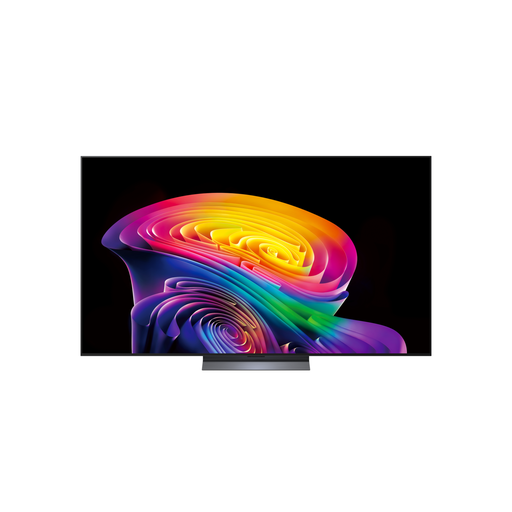 Image unavailable
A 42-inch OLED model to compare if dark film scenes and a compact size matter to you.
The product name lists 4K Ultra HD, Dolby Vision, HDR10, Dolby Atmos, HDMI 2.1 and webOS.
With OLED, displaying the same still image for a long time is something to bear in mind because of the risk of image retention.
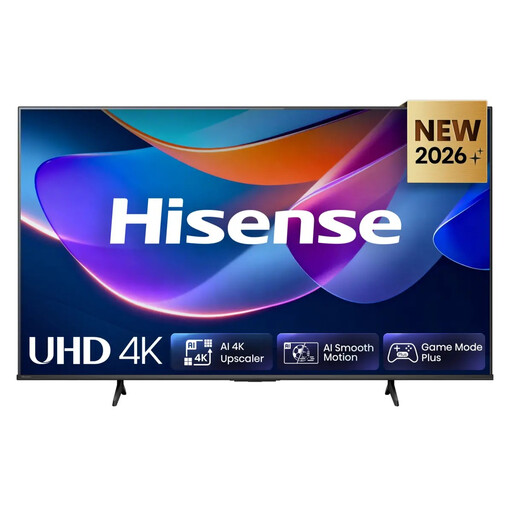 Image unavailable
A 43-inch LCD option to compare with OLED if this size suits your viewing distance and bedroom.
The product name lists 4K UHD, 60 Hz, Dolby Vision and VIDAA.
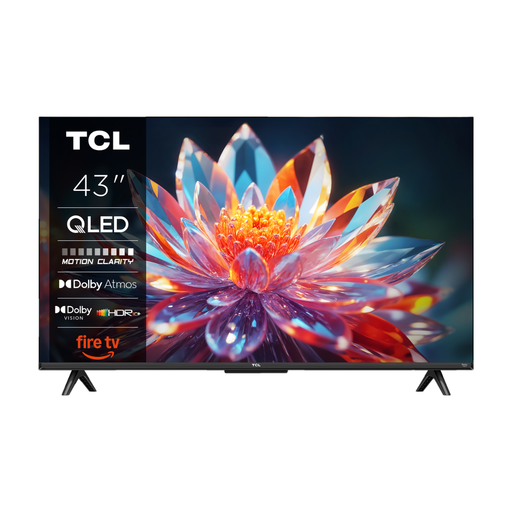 Image unavailable
A 43-inch QLED model to compare if you’re looking for a compact LCD option.
The product name lists 4K, QLED and 120 Hz.
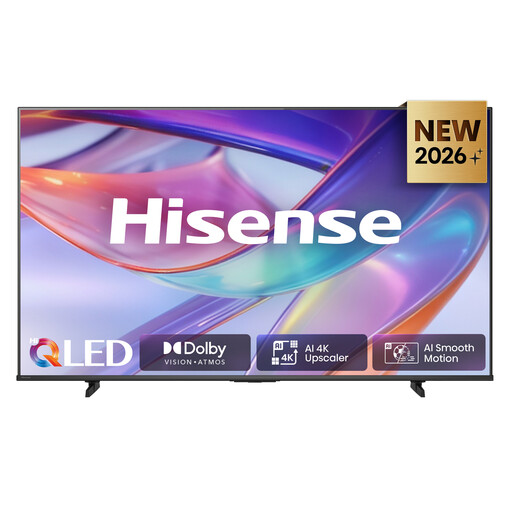 Image unavailable
A 43-inch QLED model to compare with OLED if screen size and private listening matter to you.
The product name lists 4K UHD, HDR10+, VIDAA, Bluetooth and a headphone socket.
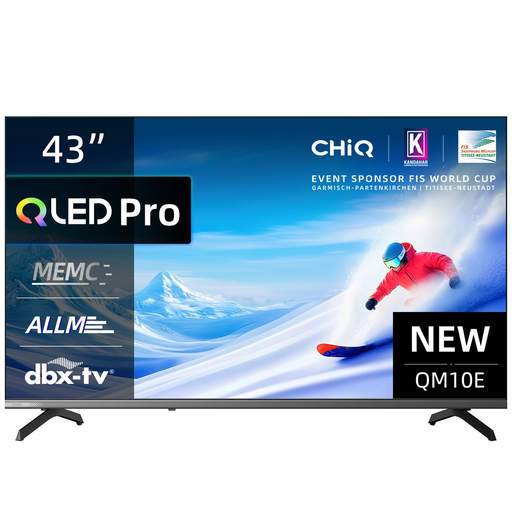 Image unavailable
A 43-inch QLED model to compare if you sometimes watch from a seat away from the centre of the screen.
The product name lists 4K, Google TV, HDR10, VRR, ALLM, Dolby Audio and a triple tuner.
The stated viewing angle is 178 degrees; compare how the picture looks from where you watch.
Measure from your eyes, in your usual viewing position, to where you plan to put the screen. The Consumentenbond uses around 2.4 times the screen diagonal as a starting point; compare nearby sizes too, and check the TV’s width including the stand.
Check the instructions for the exact model, the bracket and your type of wall. LG points out that wall mounting depends on the wall and installation environment, and recommends using a professional technician. This is manufacturer advice, not a general legal requirement for installation.
Above all, avoid displaying the same still image for a long time. In a small-scale test by the Consumentenbond, image retention occurred under extreme viewing conditions, but it wasn’t permanent in that test.
Check the European energy label and product information sheet for the exact model; the label also includes information about HDR viewing. EPREL provides additional model details. To work out the running cost for your situation, you’ll also need your viewing time and electricity tariff.
For eligible online consumer purchases, you generally have 14 days to change your mind, although exceptions and the circumstances of the sale matter. The Rijksoverheid states that there is no fixed, general statutory warranty period; if a product is faulty, contact the retailer.