
Light sleeper who also studies
You use the same room for studying and sleeping, so noise, lighting and night-time controls matter to you.


Check the humidity first: a dry throat can also be linked to poor ventilation, while adding moisture when there is already mould is not advisable. If the room really is dry, choose a humidifier based on the room size, noise and lighting, the humidity controls you want and the maintenance you can keep up with. A humidifier is no substitute for ventilation or cleaning.
You use the same room for studying and sleeping, so noise, lighting and night-time controls matter to you.
You want to add moisture to a dry room without letting the air become too humid without you noticing. Measuring humidity and having suitable controls are important.
You want an appliance that’s easy to fill and clean, while also keeping in mind the risks of standing water and any filters it may have.
Start by measuring humidity and ventilating the room. Then compare noise levels, humidity controls, cleaning requirements and coverage to find what suits your room and how you’ll use it.
| What to consider | What should you check? | Who should pay extra attention? |
|---|---|---|
| Quiet use while sleeping and studying | Check the noise setting and whether the display, lights and mist can be adjusted separately. A night mode alone doesn’t tell you how audible the appliance is. | If I study and sleep in the same room, I want as little distracting noise and light as possible. Around 33% of consumers prioritise peace and quiet while sleeping and concentrating. |
| Controlling humidity | Measure humidity with a hygrometer and compare manual controls with a sensor and an adjustable target humidity. Also look out for condensation or existing mould. | I want to be able to adjust the humidity without making the room too damp. Around 25% of consumers give top priority to measuring and controlling humidity. |
| Cleaning and water | Check whether you can easily empty, dry and clean the tank, and follow the water and filter instructions for the model. Easy filling is no substitute for cleaning. | If I have little time, I want a tank that’s practical to maintain. Around 25% of consumers prioritise maintenance that’s easy to keep up with. |
| Room coverage and refilling | Compare your room’s floor area with the manufacturer’s stated coverage for the relevant model. If a running time is quoted, check which mist setting it applies to. | I want to know whether the stated coverage suits my room and how often I’ll need to refill the tank. Around 17% of consumers focus mainly on coverage and running time. |
A dry throat can also be linked to poor ventilation. Adding moisture can make existing mould problems worse.
Measure the humidity and check for condensation or mould before adding moisture. Keep ventilating the room.
Water left standing in the tank can encourage the growth of micro-organisms. With ultrasonic models, minerals in the water can also be released into the air. A manufacturer’s claim about UV-C doesn’t remove the need to clean the appliance.
Choose a tank that’s easy to empty and clean, and follow the instructions for water and maintenance.
According to the manufacturer, the Levoit Dual 150’s stated maximum running time applies at the lowest mist setting.
Check which setting the running time is based on, and compare it with the tank capacity and the size of your room.
According to Beurer, the LB 37 is designed for rooms up to 20 m² and has two settings and a night mode.
According to medisana, the AH 680 offers ultrasonic humidification with automatic humidity control, a sleep mode and a separate aroma compartment.
According to Levoit, the Dual 150 is an ultrasonic top-fill model with a 3-litre tank, a control dial and automatic shut-off.
This Joybuy selection includes evaporative and ultrasonic models for indoor use. Compare how each model controls humidity, its specific maintenance instructions and how well it suits the way you plan to use it.
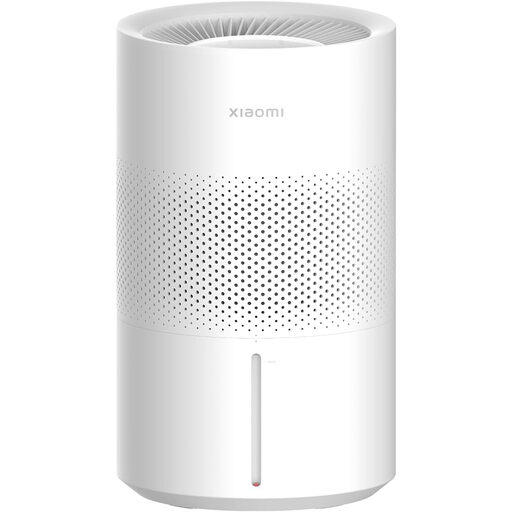 No image available
An evaporative model to consider if remote controls and humidity monitoring matter to you. Check the product information to see which app features and settings are available.
The instructions specify cold, clean tap water and prohibit oils and other additives in the water tank.
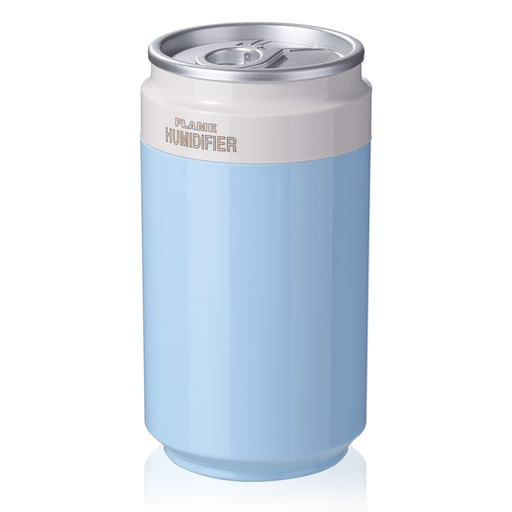 No image available
A portable model to consider if you’re looking for a humidifier for indoor and car use. The product name lists two mist settings and automatic shut-off.
The instructions call for purified or distilled water and regular cleaning or replacement of the cotton filter. Check the instructions for use in your chosen room.
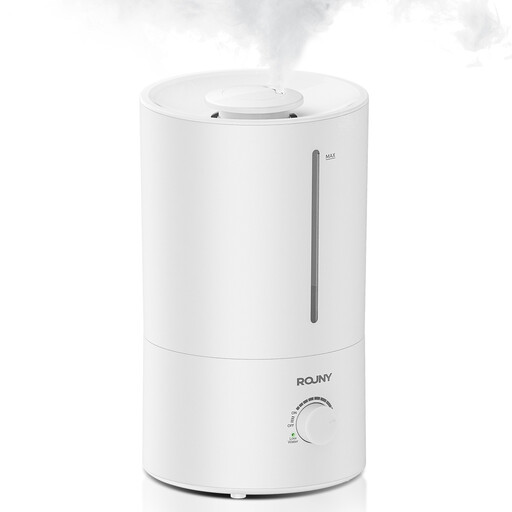 No image available
An ultrasonic model to consider if you want manually adjustable mist and top filling.
The product name lists a 4 l tank, 23 W, a mist output of 350 ml/h, 360° mist and ≤38 dB. The instructions warn against adding oils or other liquids unless the manual says it’s allowed, and call for regular tank cleaning.
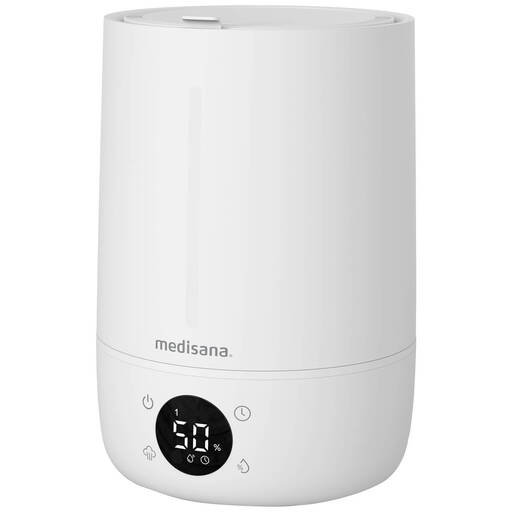 No image available
Consider this model if automatic humidity control and a sleep mode matter to you. Check the settings and maintenance instructions for the exact version.
The product information says to empty and dry the tank regularly and replace the water.
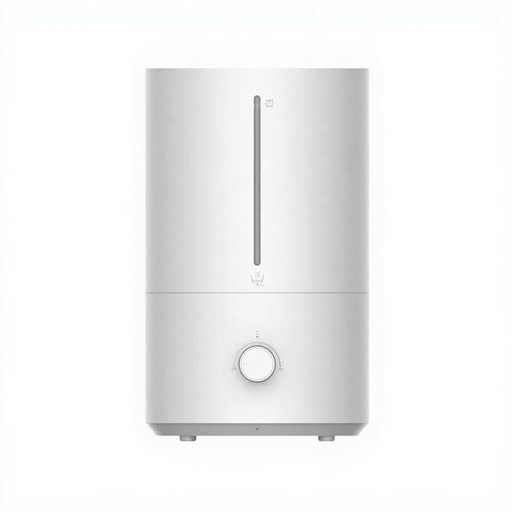 No image available
A model to consider if you’re looking for a humidifier for indoor use. Compare its stated output and tank capacity with your room and how you’ll use it.
The product name lists 300 ml/h and a 4 l tank. The product information says to replace the water and thoroughly clean the tank every three days.
No. Measure the humidity first and check the ventilation. GGD Leefomgeving lists a dry throat as a possible symptom of poor ventilation too; a humidifier is no substitute for fresh air.
The US Environmental Protection Agency (EPA) recommends emptying the tank daily, wiping all surfaces dry and refilling the reservoir. The EPA also recommends cleaning a portable humidifier every third day. Rinse away cleaning products thoroughly, and follow the instructions for your specific appliance too.
Before buying, check whether your chosen model needs replacement filters, descaling materials or other maintenance. In the Netherlands, the legal guarantee is not the same as a two-year manufacturer’s warranty: according to ACM ConsuWijzer, the law does not set a fixed statutory guarantee period. If a product breaks sooner than you could reasonably expect, contact the seller.
Yes. The Netherlands Food and Consumer Product Safety Authority states that CE marking is compulsory for electrical consumer products. Check the marking and the relevant instructions for the specific appliance. CE marking is not an independent performance test.