
Anyone with a dry bedroom
You should only add moisture if a measurement shows that your bedroom is dry. Look out for condensation and mould, too: GGD Living Environment points out that damp can cause mould in the home.


First, measure the humidity in your bedroom: if you have condensation or mould, adding more moisture isn’t the answer. If the room really is dry, choose a model based on how well you can control the humidity, how much noise and light it produces while you sleep, and how manageable the maintenance is. Evaporative, ultrasonic and steam models each have different things to consider.
You should only add moisture if a measurement shows that your bedroom is dry. Look out for condensation and mould, too: GGD Living Environment points out that damp can cause mould in the home.
You want as little noise and distracting light as possible at night. Compare the noise information and lighting for the setting you actually plan to use.
You need to be able to clean the water tank and humidifying components regularly. The US Environmental Protection Agency (EPA) recommends cleaning portable humidifiers every three days.
A good fit if: you’re looking for a model with humidity control and can maintain or replace a filter or wick.
Bear in mind: fan noise and maintenance of the humidifying component; compare the bedroom setting on the exact model.
A good fit if: you want a design without a replaceable humidifying wick and can clean the water tank.
Bear in mind: no wick doesn’t mean no maintenance; check the cleaning instructions.
A good fit if: the controls and night mode of a cool-mist model suit your needs, and you’re careful about water quality and cleaning.
Bear in mind: the EPA explains that ultrasonic devices can disperse minerals from the tank; low-mineral water can help reduce this.
A good fit if: you specifically want a device that heats water, and its placement and instructions suit your needs.
Bear in mind: the stated power consumption and where you place it; the EPA recommends keeping steam humidifiers out of children’s reach.
First decide whether you need to add moisture, then compare the humidification method with your preferences for sleep and maintenance. The percentages below refer to consumers considering a humidifier for a bedroom in winter.
| Concern | What to look for | Who might be more concerned? |
|---|---|---|
| Adding moisture without causing damp problems | Measure the humidity, look out for condensation or mould, and compare the humidity controls and stated room size for the exact model variant. | If I only want extra moisture when my bedroom is genuinely dry, I want to be able to adjust the output to suit the room. Around 33% of consumers prioritise controlled humidity. |
| A peaceful night’s sleep | Compare the noise level for each setting and check whether the indicator light can be dimmed and whether the device switches off on the desired setting when the tank is empty. | Light sleepers don’t want noise or lighting to disturb the night, and may prioritise sleep mode over the highest output. Around 27% of consumers prioritise a peaceful night’s sleep. |
| Clean water and manageable maintenance | Check how easy the water tank is to access, what cleaning the manual recommends, and whether the model uses a filter or wick. | If I need to clean the tank regularly, I want to know whether the tasks are manageable and which parts need maintaining. Around 27% of consumers focus mainly on water hygiene and maintenance. |
| Ongoing running costs | Compare the power consumption for each setting and the cost of any filters or wicks; calculate electricity costs using your own usage hours and tariff. | Anyone planning to use the device often should consider the cost of replacement parts as well as electricity consumption. Around 13% of consumers focus most on running costs. |
Adding moisture isn’t the right response to condensation or mould. Indoor air complaints can also be linked to ventilation; GGD Living Environment notes that a dry throat can be a possible symptom of poor ventilation.
First, measure the humidity in your bedroom and check ventilation, condensation and mould before choosing a humidifier.
An existing damp or mould problem can get worse if you add moisture without checking first.
Even a device without a replaceable wick has parts that hold water and need maintenance. Venta’s instructions for the LW15 Classic Original include cleaning the device.
Compare the cleaning instructions for the exact model variant and check whether you can easily reach the water tank.
Regular cleaning takes time, even if a model doesn’t have a replaceable humidifying wick.
Noise levels and power consumption vary by model and can also differ between settings. The model type alone won’t tell you what noise or energy use to expect during overnight use.
Check the figures for each setting and work out any electricity costs using your own usage hours and tariff.
A setting you find disruptive at night can make the device less practical for use in the bedroom.
Philips Netherlands describes the HU4813/10 as an evaporative model featuring NanoCloud technology and sensors.
The manufacturer describes the Oskar Little as a compact cold-water evaporator with automatic humidity control, suitable for rooms up to 30 m².
Venta describes the LW15 Classic Original as a cold-evaporation model without humidifying wicks or filters, for rooms up to 29 m².
BONECO offers the W200 air washer with an evaporative mat and the S200 steam model, among others; each calls for different considerations.
This selection includes evaporative models and ultrasonic humidifiers for bedroom use. First, check whether you need to add moisture, then compare the relevant setting, capacity and maintenance instructions.
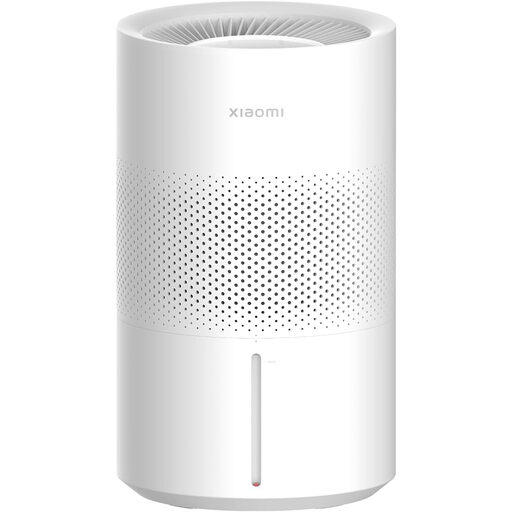 No image available
An evaporative model to consider if you want to compare humidity control via an app.
The product information lists a transparent 5-litre tank and app control with humidity monitoring.
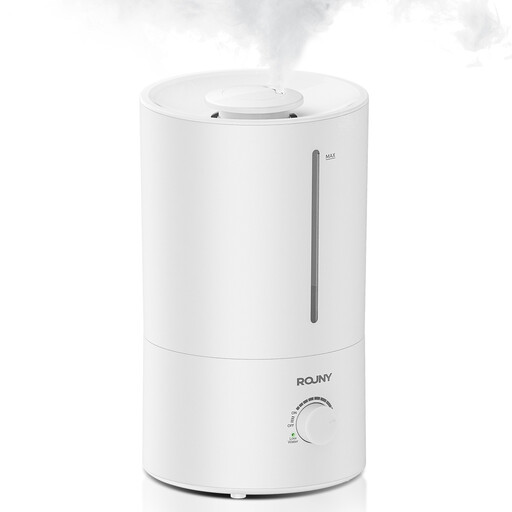 No image available
An ultrasonic model for anyone who wants to adjust the direction and amount of mist.
The product information lists a 4-litre tank, 23 W, a stated mist output of up to 350 ml/hour, a 360° outlet and a noise level of ≤38 dB.
The EPA explains that ultrasonic devices can disperse minerals from water; low-mineral water can help reduce this.
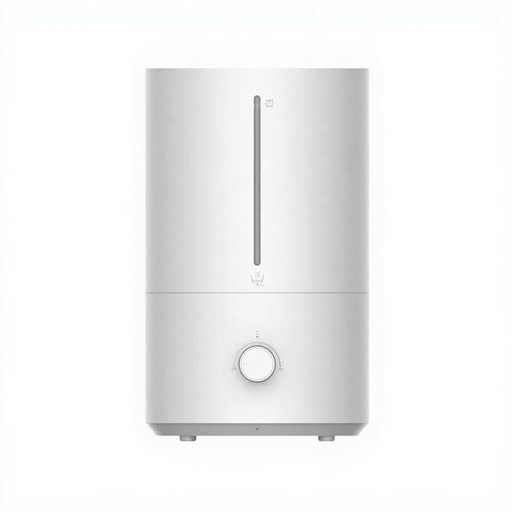 No image available
A humidifier to consider if you want to compare the stated tank capacity, output and noise level.
The product information lists a 4-litre tank, an output of 300 ml/hour and a noise level of ≤38 dB(A).
According to the product information, the water should be changed and the tank thoroughly cleaned every three days.
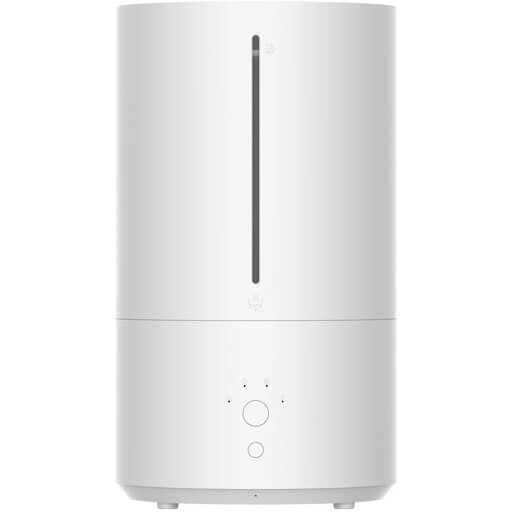 No image available
An ultrasonic model to consider if you want an automatic humidity mode.
The product information lists a mist output of up to 350 ml/hour, two adjustable 360° outlets and a noise level of 32 dB.
The EPA explains that ultrasonic devices can disperse minerals from water; low-mineral water can help reduce this.
 No image available
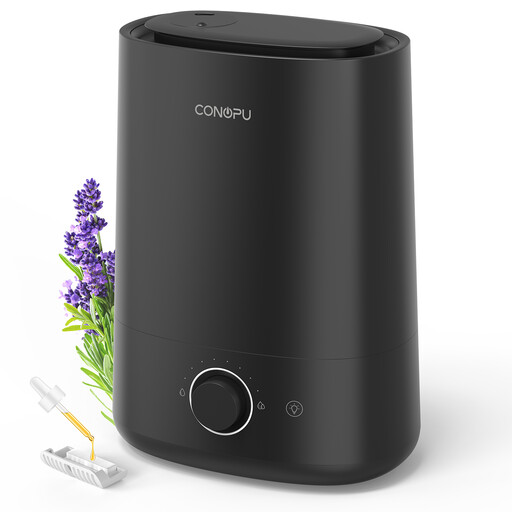
An ultrasonic model with sleep mode to consider for overnight use.
The product information lists a 5-litre tank, top-fill design and a stated output of 200 ml/hour.
The EPA explains that ultrasonic devices can disperse minerals from water; low-mineral water can help reduce this.
No. First measure the humidity and check the ventilation, too. GGD Living Environment also notes that a dry throat can be a possible symptom of poor ventilation. If you see condensation or mould, tackle the cause of the damp rather than adding more moisture.
The US Environmental Protection Agency recommends emptying the tank daily, wiping surfaces dry, refilling it and cleaning portable humidifiers every three days. Also follow the manufacturer’s instructions for your model and rinse away cleaning products thoroughly.
First, check the manual for the exact model. The US Environmental Protection Agency explains that ultrasonic devices can disperse minerals from tap water and suggests low-mineral water as a way to reduce this; it doesn’t mean tap water is unsuitable for every model.