
Vandaag of morgen in huis

Kwaliteit gegarandeerd

Welkomstaanbiedingen ontgrendelen: GRATIS bezorging | Tot 80% korting | Gratis 30 dagen JoyPlus-proefperiode
Download de app
The search for the perfect daily sunscreen can feel like an endless mission. This is especially true now that Korean sunscreens, with Beauty of Joseon leading the charge, are becoming increasingly popular. The promises are often grand: no white cast, a feather-light feel, and hydration like a daily moisturiser. But in practice, the results can be disappointing. You invest in a hyped-up product and end up with a sticky face or, worse, irritated skin.
Before you make a choice, it's wise to understand the most common pitfalls:
With the right knowledge, you can avoid these problems and find a product that truly works for your skin.
To avoid a purchase you'll regret, it's helpful to focus on a few objective specifications rather than just marketing claims.
The foundation of any sunscreen is its UV filters. Simply put, there are two types:
The Beauty of Joseon Relief Sun uses exclusively modern chemical filters, which explains its light texture and lack of a white cast.
Everyone knows SPF50, which indicates protection against UVB radiation (the rays that burn your skin). But the PA rating is at least as important.
A good sunscreen is more than just protection. The formula must suit your skin type. If you're looking for a hydrating sunscreen, look for ingredients like glycerin, hyaluronic acid, or, in the case of many Korean products, natural extracts like rice water. If you need a sunscreen for sensitive skin, check that the formula is free of fragrance and drying alcohols.
Not every sunscreen is suitable for everyone. Below are a few popular choices, matched with different user profiles.

Why This Fits Their Persona: This is for the user seeking a sunscreen that feels like a luxurious, hydrating lotion. Perfect for daily use, even under makeup, without the typical 'sunscreen feel'.
The formula uses modern chemical filters that dry down completely clear, thus avoiding a white cast. The texture is light and serum-like, not greasy, and the formula is fragrance-free to minimise irritation.
Offers SPF50+ PA++++ protection. Contains 30% rice extract and probiotics that hydrate and soothe the skin, according to the brand's product description.
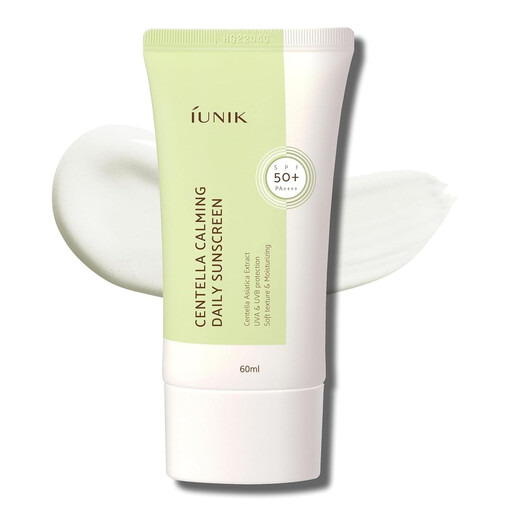
Why This Fits Their Persona: Ideal for those who want a no-nonsense, calming sunscreen. The focus is on effective protection with minimal risk of irritation, thanks to its fragrance-free and vegan formula.
Directly tackles the irritation pitfall by being fragrance-free and containing calming Centella Asiatica. The light texture prevents a greasy feel, a common issue with products for sensitive skin.
Combines SPF 50+ PA++++ protection with soothing properties. The formula is vegan and described as non-sticky, with no white cast.

Why This Fits Their Persona: For those who spend a lot of time outdoors, play sports, or sweat and need a sunscreen with extreme staying power. Anessa is renowned for its water- and sweat-resistant technologies.
While many water-resistant sunscreens are thick and sticky, Anessa has a very light, milky texture that absorbs quickly. It offers high performance without sacrificing the comfort of a lightweight formula.
According to the manufacturer, the product is water-resistant and provides high protection. Its lightweight texture makes it comfortable for active days.
It's not just sunscreen; other skincare also requires careful selection. We have compiled a list of products that meet strict selection criteria.
1. Can I use Beauty of Joseon sunscreen every day? Yes, the formula is specifically designed for daily use. Its light, hydrating texture absorbs quickly, allowing it to function well as the final step in your morning routine, directly under makeup, without pilling or leaving a heavy feeling.
2. Does the Beauty of Joseon sunscreen really leave no white cast? This product uses modern, chemical UV filters. These filters are naturally transparent and are absorbed by the skin, unlike mineral filters that sit on top of the skin. This minimises the chance of a white or grey cast, even on darker skin tones.
3. Are Korean sunscreens better than Western sunscreens? It's not a matter of 'better', but of a different focus. Korean sunscreens often emphasise cosmetic elegance: an extremely light, non-sticky texture that feels more like a serum or moisturiser. This makes them very popular for daily use on the face. Western sunscreens are often geared more towards robust protection for the body, for instance during a beach day, which can sometimes result in a thicker texture. The choice depends on your personal preference and what you'll be using the sunscreen for.
