
Vandaag of morgen in huis

Kwaliteit gegarandeerd

Welkomstaanbiedingen ontgrendelen: GRATIS bezorging | Tot 80% korting | Gratis 30 dagen JoyPlus-proefperiode
Download de app
Finding a good facial sunscreen can sometimes feel like an impossible task. You want effective protection without the downsides: a sticky feeling, an unnatural white cast, or skin irritation. Especially in the popular world of Korean skincare, the options are overwhelming. Many products make big promises, but not all are suitable for daily use in the UK climate.
Before making a purchase, it's helpful to recognise the most common pitfalls:
By paying attention to a few key specifications, you can avoid these problems and find a product that truly works for your skin.
To avoid making the wrong choice, it's wise to look beyond the marketing. Focus on the following three objective characteristics that determine how a sunscreen feels and performs.
Sunscreens use filters to protect the skin. There are two main types:
A good sunscreen offers protection against both UVA and UVB radiation.
Always opt for a "broad-spectrum" product, or one that lists both a high SPF and a high PA rating.
A sunscreen you want to use every day should feel pleasant. Korean sunscreens are known for their lightweight, cosmetically elegant formulas. Look for a hydrating sunscreen with a texture that feels like a light lotion or serum.
Ingredients like rice extract, probiotics, niacinamide, and hyaluronic acid provide hydration and soothing benefits in addition to protection. This makes the sunscreen an integral part of your skincare routine, especially when looking for a sunscreen for sensitive skin.
Based on these criteria, we have selected a number of products that suit different needs and skin types.

Why This Fits Their Persona: Ideal for those seeking a reliable, comfortable sunscreen for everyday use. The lightweight texture works perfectly under makeup and feels pleasant all day long without becoming sticky.
The formula uses modern chemical filters, completely avoiding a white cast. Its serum-like texture absorbs quickly and doesn't feel greasy, sidestepping the 'thick paste' pitfall.
Combines SPF50+ PA++++ protection with 30% rice extract and probiotics for hydration and soothing. Fragrance-free and suitable for sensitive skin.
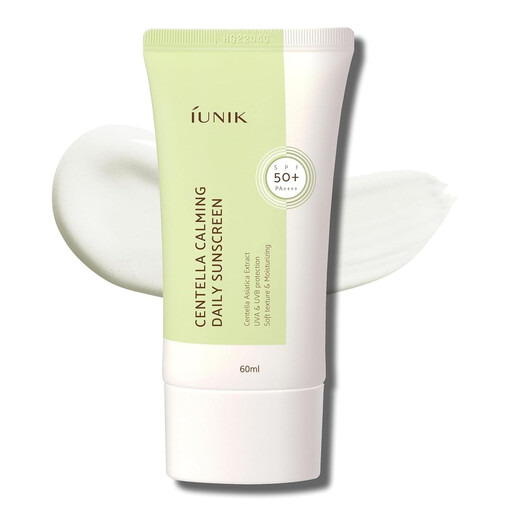
Why This Fits Their Persona: Perfect for those prone to redness and irritation. This sunscreen not only protects but also helps to calm the skin, thanks to its key ingredient, Centella Asiatica.
This formula is vegan, fragrance-free, and specifically developed for sensitive skin. It avoids the pitfall of irritating ingredients and delivers a calming effect alongside sun protection.
Offers SPF 50+ PA++++ protection with a focus on calming the skin. The lightweight, hydrating texture leaves no white cast and feels comfortable on irritated skin.
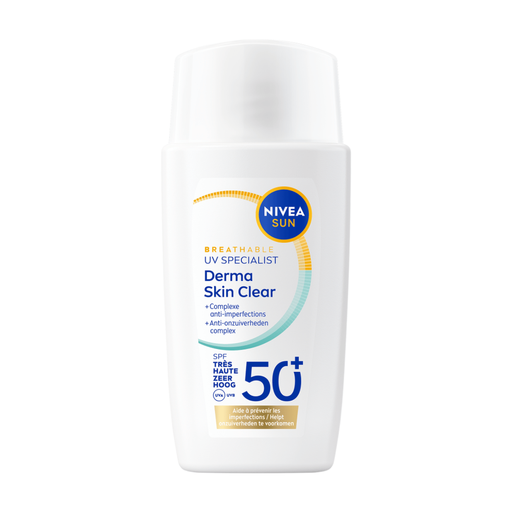
Why This Fits Their Persona: For those who struggle with a shiny complexion and blemishes. This sunscreen is specifically designed to absorb excess sebum and keep the skin matte.
It directly tackles the 'greasy texture' pitfall. According to the manufacturer, the formula provides an 8-hour mattifying effect and helps prevent blemishes without clogging pores.
The formula contains niacinamide and an Anti-Blemish Complex. It's an ultra-light, non-greasy fluid specially developed for oily and blemish-prone skin.
Yes, the Beauty of Joseon Relief Sun: Rice + Probiotics has a very lightweight, watery texture that absorbs quickly without leaving a heavy or greasy film. While it provides a hydrated, slightly dewy finish, many people with oily or combination skin find this formula comfortable for daily use. If you're looking for a distinctly matte finish, a product specifically formulated for sebum control, like the NIVEA Derma Skin Clear, is a good alternative.
Yes, it is highly recommended to use a broad-spectrum sunscreen with at least SPF 30 daily, all year round. UVA rays, which are responsible for skin ageing, are constantly present, even on cloudy days or when you're indoors behind a window. Daily protection is a simple step to keep your skin healthy in the long term.
Yes, sunscreen is the final step in your morning skincare routine, before applying makeup. Apply your serum and moisturiser, let them absorb for a moment, and then apply a generous amount of sunscreen to your face, neck, and ears. Wait a few minutes before applying any makeup to allow the sunscreen to form an even protective layer.
