
Vandaag of morgen in huis

Kwaliteit gegarandeerd

Welkomstaanbiedingen ontgrendelen: GRATIS bezorging | Tot 80% korting | Gratis 30 dagen JoyPlus-proefperiode
Download de app
If you want to buy beans and pulses, you’ll soon come across dozens of varieties, pack sizes and ways to prepare them. The difference between dried beans, jars, tins and frozen products affects more than just the price: it also determines how much preparation they need, their flavour and how you can store them.
Watch out for these three common pitfalls:
Dried beans and pulses, such as kidney beans, black beans, soya beans, chickpeas, toor dal and urad dal, usually have a long shelf life and are suitable for stocking up. They do need some planning, though. Rinse them, soak them according to the instructions on the pack, then cook them thoroughly.
Careful cooking is especially important for kidney beans. Never eat dried kidney beans raw or undercooked. Always follow the instructions on the packaging.
Tinned beans and jars of cooked pulses are handy for quick salads, curries, soups and meal prep. Check:
Frozen products, such as edamame, should stay frozen until you’re ready to use them. Check the temperature instructions, and don’t refreeze a product once it has thawed unless the label explicitly says you can.
The shape and texture of a pulse determine what it’s best suited to:
Pulses are often used in vegetarian and vegan recipes, but always check the full label. A basic product may contain allergens or be made in an environment where it could come into contact with soya, peanuts, nuts, cereals containing gluten or sesame, for example.
Also compare the values per 100 g for protein, fibre, salt and energy. Salt levels can vary between products packed in water. Rinsing may affect the flavour and amount of surface salt, but it doesn’t automatically change the nutritional values declared on the label.
Bear in mind that claims made by brands about nutritional value or suitability come from the product information. Bonduelle describes certain lentils as high in protein in its own information; check the latest nutrition table on the packaging to make an accurate comparison.
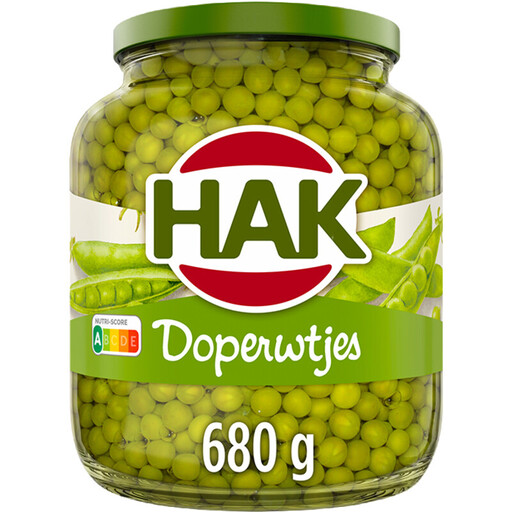
Why it suits this profile: Use the contents of this jar straight away in a purée, soup or hearty mash-style dish. It’s a practical choice if you want to try different pulses without having to soak and cook them first.
The pack size and cooked format are clearly stated. There’s no need to plan ahead for dried pulses or estimate how much they’ll yield after cooking.
680 g; ingredients include peas, water and sea salt; according to the label, 4.5 g of fibre per 100 g.
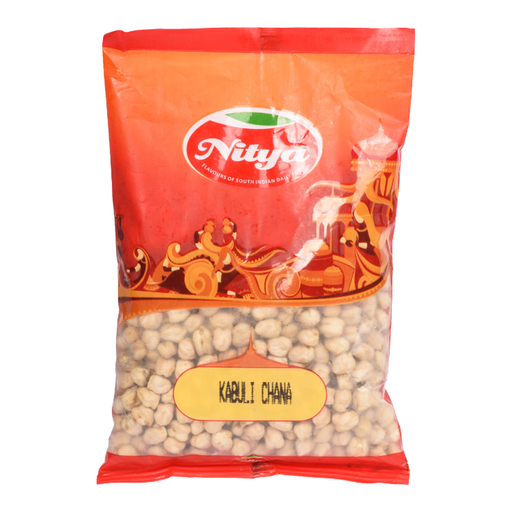
Why it suits this profile: A 1 kg bag is a good fit if you regularly make hummus, Indian curries or meal salads and prefer to control the cooking and texture yourself.
The ingredients list identifies chickpeas as the main ingredient. So you won’t end up with a ready-to-eat seasoned version if you’d rather control the salt and flavour yourself.
1 kg of dried Kabuli chickpeas; suitable for chole, salads, soups and hummus.
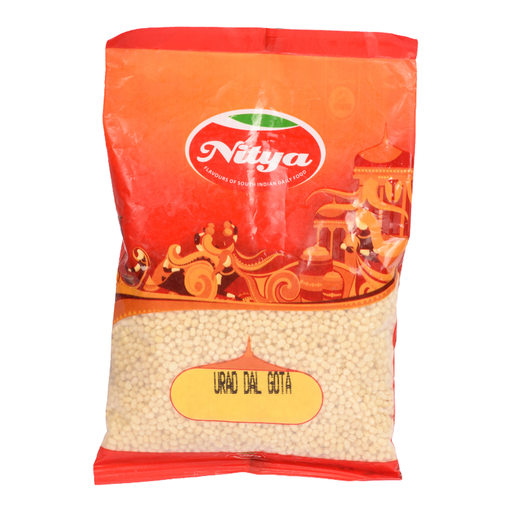
Why it suits this profile: This urad dal is intended for Indian dishes such as idli and dosa batter, dal, curries and soups. The larger pack size is ideal for regular use.
The variety is specifically listed as Urad Dal Gota. This reduces the chance of buying a different dal that won’t give your batter the same texture.
1 kg pack; according to the product information, 25 g of protein per 100 g; store in a dry, sealed container.
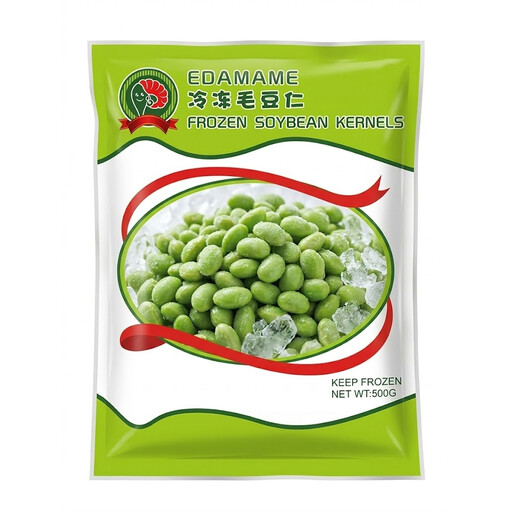
Why it suits this profile: This frozen pack is ideal if you want to add soya beans quickly to noodles, rice, salads or a snack.
The storage instructions are clear: keep frozen. You can see straight away that this isn’t a long-life product for your kitchen cupboard.
500 g; suitable for salads, soups and snacks; store in the freezer according to the packaging.
We’ve put together a complete, up-to-date list of products that meet these strict selection criteria and current European safety regulations.
Dried beans are often well priced by weight, but they need preparation, water and cooking time. Tinned beans usually cost more per kilogram but save time. When you’re comparing products, check the dry weight against the drained weight and decide how much convenience is worth for your needs.
Store unopened dried products in a cool, dry place, in a sealed container and out of direct sunlight. Once opened, it’s best to transfer dried beans to an airtight storage jar. After opening, tinned or cooked products should be refrigerated according to the label and used within the stated time. Always check the best-before date, and don’t use packaging that is bulging, leaking or damaged.
Chickpeas, lentils, kidney beans, black beans, white beans, edamame, mung beans and various dals can all be used in vegan recipes. Choose according to texture and cooking time: lentils are often quick to prepare, while dried chickpeas and soya beans need more planning. For a quick meal, cooked beans from a jar or tin and frozen edamame are practical options.
