
Vandaag of morgen in huis

Kwaliteit gegarandeerd

Welkomstaanbiedingen ontgrendelen: GRATIS bezorging | Tot 80% korting | Gratis 30 dagen JoyPlus-proefperiode
Download de app
Beans and peas are available canned, dried, frozen and as ready-to-eat snacks. The wide choice is useful, but it can also make it harder to decide. A tin of white beans is quick to add to a stew, while dried mung beans need more preparation. A bag of seasoned broad beans, meanwhile, is meant to be eaten straight away, not used as the base for a soup.
The most common disappointing purchases come down to three simple mistakes:
Checking what you need the product for, as well as its packaging and shelf life, will usually help you avoid a disappointing purchase.
The type affects not only the flavour, but also how much preparation is needed.
Dried beans usually take longer to prepare, but are handy when you want to cook larger quantities. Check the packaging for cooking instructions and storage advice.
Canned beans are ideal for quick meals. You can rinse them to remove excess liquid or salt. If you open a pack, always check the storage instructions on the label.
With frozen products, temperature matters. According to the product information, Mooijer Soy Seed Edamame must stay frozen until use. Once thawed, it should be kept chilled and must not be refrozen.
A product with a single ingredient, such as Duru Green Mung Beans, is easy to assess. Seasoned snacks and boemboes have longer ingredients lists. Pay particular attention to:
Qia Qia Fava Bean Five-Spice Flavor lists wheat, sesame and soya among its allergens. This makes it less suitable if you want to avoid these ingredients.
Compare nutritional values per 100 grams, not just per pack. This makes it easier to compare like with like, such as a tin of white beans, a bag of dried beans and a seasoned snack.
Also check the storage instructions:
A brand’s claims about flavour, origin or nutritional value are no substitute for checking the label. Use the product page and packaging as sources you can verify.
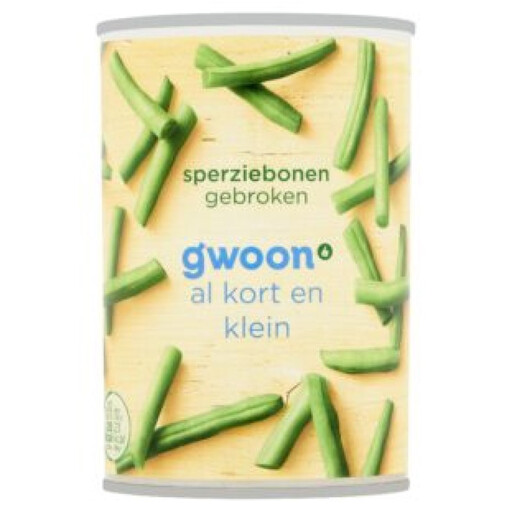
Why it suits this shopper: A practical tin for anyone who wants to quickly add a vegetable to soup, salad, a stir-fry or a side dish.
The product information clearly states that the tin contains 400 grams, with water and salt as ingredients. There’s no lengthy preparation like there is with dried pulses.
A 400 g pack, ready to use and, according to the product information, suitable for a range of hot and cold dishes.
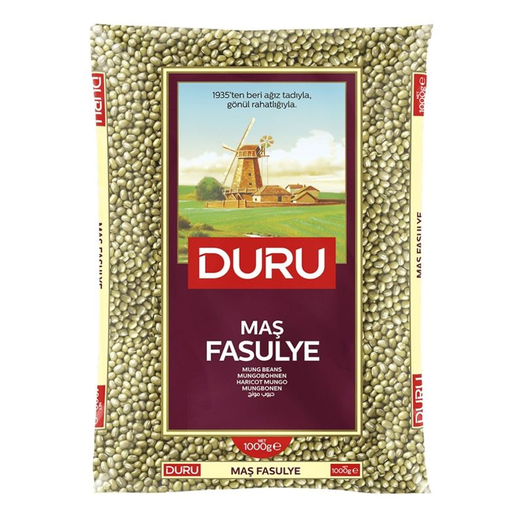
Why it suits this shopper: Ideal for home cooks who want to choose how to prepare their beans and regularly make Asian, vegetarian or vegan dishes.
The ingredients list contains 100% green mung beans, so you’re not paying for an elaborate sauce or an unnecessary seasoning mix.
A 1 kg pack with a mildly nutty flavour, according to the product description. Use it in soups, salads, stews and curries.
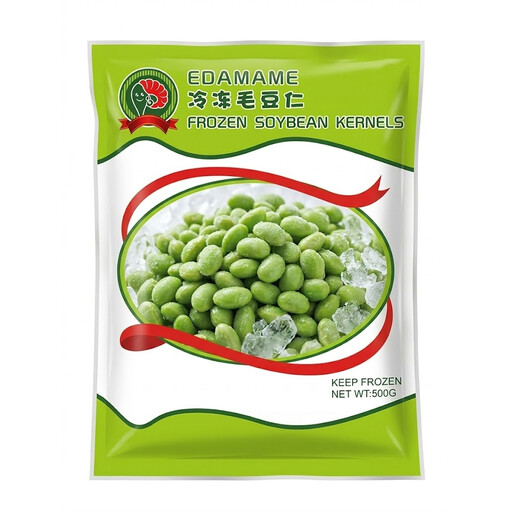
Why it suits this shopper: For anyone who often makes bowls, salads, soups or Asian side dishes and wants to keep a supply in the freezer.
The storage instructions are clear: keep frozen, refrigerate after thawing and do not refreeze. This helps you store it correctly.
500 g of edamame for a range of uses. The product description lists soya as an ingredient and gives instructions for cooking from frozen.
We’ve put together a complete, up-to-date list of products that meet these strict selection criteria and current European safety requirements.
Usually, yes. You can rinse canned beans or peas and heat them in a pan, or add them straight to a salad. Always check the label, especially for products with sauce or added flavourings.
Dried beans often need soaking and cooking. Canned beans are already cooked and save time. Dried products are handy for cooking larger quantities, while canned ones are practical for quick meals.
Store dried pulses in a cool, dry place in a well-sealed container. Unopened canned products can be kept in the cupboard. Frozen edamame belongs in the freezer. After opening or thawing, follow the instructions on the packaging and use the product within the stated time.
