
Vandaag of morgen in huis

Kwaliteit gegarandeerd

Welkomstaanbiedingen ontgrendelen: GRATIS bezorging | Tot 80% korting | Gratis 30 dagen JoyPlus-proefperiode
Download de app
When you buy beans and peas online, you will quickly come across a broad mix of tinned goods, dried pulses, snacks and Asian soya products. That can make comparing products difficult. A tin of chickpeas requires different preparation from dried peas, while tofu skin or tofu knots are mainly suited to stir-fries and hotpot.
So do not rely solely on the photo or claims such as “high in fibre” or “high in protein”. Check the ingredients, nutritional information, storage method and preparation instructions. This will help prevent a product from being left unused in the cupboard.
Not every pack is ready to use. Dried peas need to be cooked. Dried tofu, tofu skin and bean curd sheets may also need soaking followed by heating. For example, the product page for FRESHASIA Northern-Style Dried Bean Curd Sheets states that the product needs to be cooked and stored chilled at 0–4 °C.
On the other hand, some products, such as seasoned dried tofu, can be eaten straight from the pack. Always check the usage instructions.
Preparation time, texture and uses can vary considerably:
A bulk pack is only good value if you use the product regularly.
A product may contain protein or fibre, but also relatively high levels of salt, oil or sugar. For example, the product information for YUNSHANBAN fermented black beans lists 17.2 grams of protein and 13.5 grams of salt per 100 grams. This is a seasoning, not an ingredient to be used in large quantities.
According to brands’ own information, products may be “high in fibre” or “high in protein”. Always check such claims against the nutrition table. The information on the packaging takes priority, particularly when online details differ.
First, distinguish between chilled, tinned, packaged and dried products:
Also check the weight. A 400-gram tin does not always contain 400 grams of drained product. For meal planning, the net or drained weight is more important than the pack size alone.
Soya products generally contain soya as an allergen. Seasoned tofu may also contain wheat because of the soya sauce. For example, Laoli Slow-Stewed Spiced Dried Tofu lists soya and cereals containing gluten as allergens. Wasabi peas may also contain wheat and mustard.
For a simple recipe, choose products with just a few ingredients, such as peas, water and salt. Snacks and ready-to-eat varieties often have longer ingredient lists because of added oil, sugar, flavour enhancers and seasonings. If you follow a vegan diet, also check the full ingredients list and any cross-contamination information.
First, decide what you are buying the product for:
Then compare energy, protein, fibre, fat and salt per 100 grams. Check whether the values apply to the dry product, drained product or prepared product. The difference can be significant.
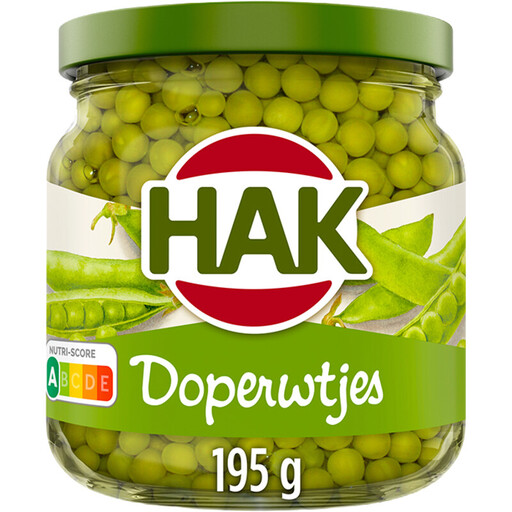
Why it suits this profile: The small pack is practical for trying green peas for the first time and can be added straight to purée, soup or a side dish.
The ingredients list is short: peas, water and sea salt. There is no need to stock up on large quantities of dried pulses.
69 kcal and 4.5 grams of fibre per 100 grams, according to the product information. 195 grams per pack.
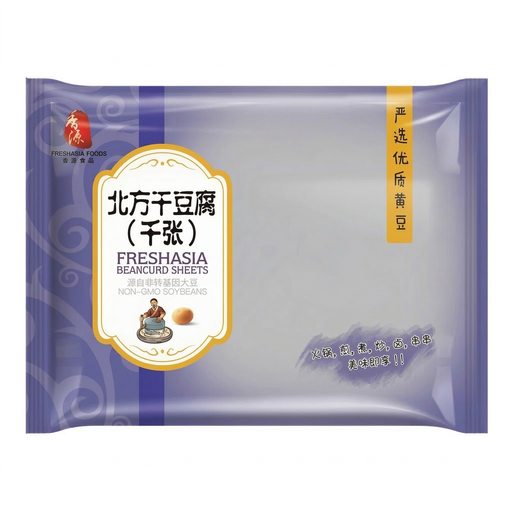
Why it suits this profile: The firm texture and ability to absorb flavour make it ideal for Asian dishes, stir-fries, salads and hotpot.
The product information clearly states that it needs to be cooked and stored chilled.
190 grams, 16.5 grams of protein per 100 grams and a simple recipe made with soya, water and salt.
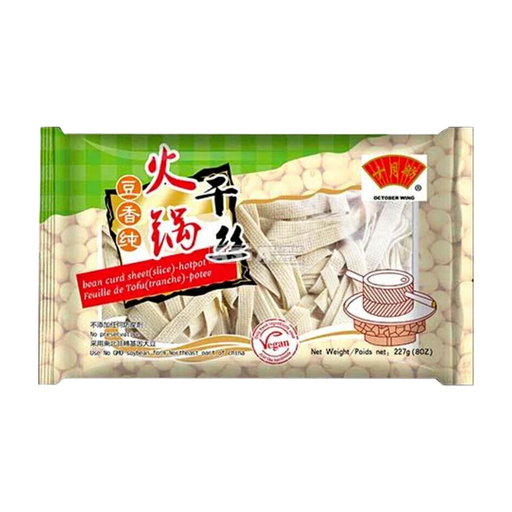
Why it suits this profile: These dried soya strips are designed for hotpot, mala tang, soups, stews and cold salads.
The preparation steps are clear: soak for 20–30 minutes, then simmer for around 10–15 minutes.
227 grams of dried product, made with soya and water; suitable for a range of Asian dishes.
We have put together a complete, up-to-date list of products that fully meet these strict selection criteria and the applicable European safety regulations.
That depends on the portion size and how much preparation you are willing to do. Dried beans and peas are compact and suitable for storing, but require soaking or cooking. Tinned beans are quicker to prepare and help reduce food waste when you only need a small amount. Compare the price per drained or prepared weight.
Always follow the instructions on the packaging. Some tofu skin products are sold chilled, such as FRESHASIA Northern-Style Dried Bean Curd Sheets. Other dried tofu knots and soya strips can be stored sealed in a cool, dry cupboard. Protect them from moisture and use opened packs within the stated time period.
Chickpeas, white beans, green peas and dried peas are practical for soups, salads and stews. For Asian meal prep, tofu knots, tofu skin and dried soya strips are suitable because they absorb flavour from sauces and stock. Choose portions that fit your weekly meal plan and check the chilling and consumption instructions after opening.
