
Vandaag of morgen in huis

Kwaliteit gegarandeerd

Welkomstaanbiedingen ontgrendelen: GRATIS bezorging | Tot 80% korting | Gratis 30 dagen JoyPlus-proefperiode
Download de app
Beans and legumes are the unsung heroes of the pantry. They are nutritious, versatile, and affordable. But when ordering canned goods online, it's easy to fall into a few common traps. The wrong choice can lead to a meal with too much salt, hidden sugars, or a disappointing flavour. As a Joybuy Product Recommendation Officer, I'm here to help you make the right choices, based on facts, not marketing fluff.
Before you fill your shopping cart, here are two pitfalls to watch out for:
To ensure you bring home the right beans and legumes, there are a few key specifications to check. This will help you find products that match your needs for convenience, taste, and nutritional value.
The packaging affects not only the shelf life but also the user experience.
A quick glance at the label provides a wealth of information. Pay close attention to the following three values per 100 grams for a fair comparison:
Not everyone has the same needs. Here are a few suggestions tailored to different lifestyles.
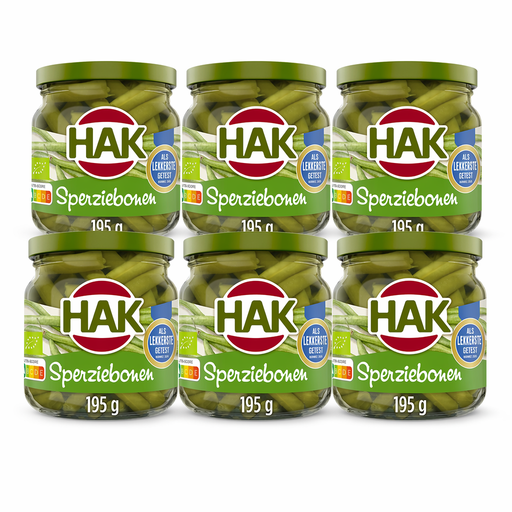
Why This Fits Their Persona: A reliable and quick vegetable option for weeknight dinners. The multipack is ideal for stocking the pantry, ensuring a meal base is always on hand. A perfect fit for Dutch cuisine.
According to the manufacturer, this product contains no added sugars and has a Nutri-Score A. The salt content is limited to 0.23 g per 100 g, making it a responsible choice.
Sourced from Dutch soil and processed immediately after harvest to preserve flavour. Rich in dietary fibre and ready to use.
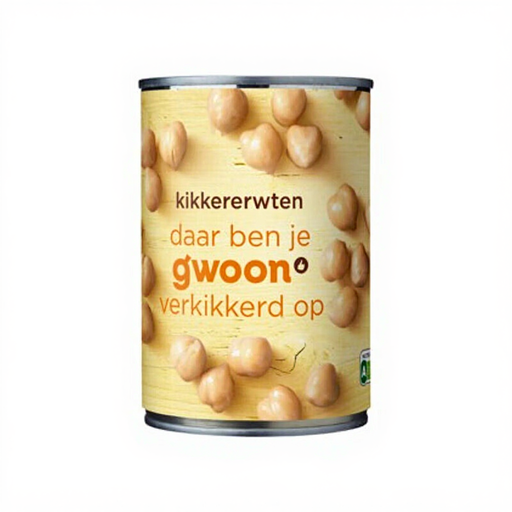
Why This Fits Their Persona: An affordable and extremely versatile staple for students or starters. Perfect for homemade hummus, curries, or as a filling addition to salads. A small can helps prevent food waste.
This product is the epitome of a 'clean' label. With only 0.01 g of salt and 0.5 g of sugar per 100 g, this is a pure choice without hidden additives. You're not paying for unnecessary extras.
Very budget-friendly and a good source of both protein (8 g) and fibre (5.5 g). The foundation for countless healthy and inexpensive meals.
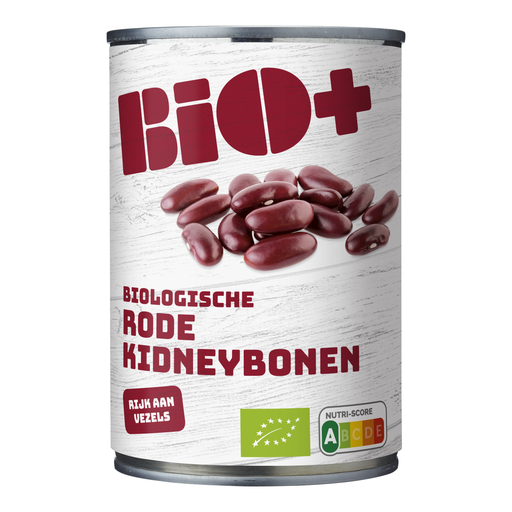
Why This Fits Their Persona: For those who consciously choose organic. These kidney beans are a perfect base for chilli sin carne, salads, or wraps, with the assurance of an organic origin.
The ingredients list is as short as it gets: organic red kidney beans and water. With only 0.01 g of salt and 0.3 g of sugar per 100 g, this is one of the purest options you can find.
Certified organic and an excellent source of plant-based protein (7 g) and fibre. Their pure taste makes them suitable for a wide range of dishes.
We have compiled a complete, up-to-date list of products that fully meet these strict selection criteria and Dutch regulations.
1. Should you rinse beans from a can or jar? Yes, it's often a good idea. Rinsing canned or jarred beans and legumes under cold water removes some of the salt and starchy liquid (aquafaba). This can improve the flavour of your dish and may make the beans easier for some people to digest.
2. How long do canned beans last after opening? Once opened, it's best to transfer the contents to a resealable glass or plastic container (do not store them in the can). They will then stay good in the refrigerator for about 3 to 4 days. Always trust your senses: if it looks or smells strange, throw it away.
3. Are organic legumes a better choice? Organic legumes are grown without the use of synthetic pesticides and artificial fertilisers. Their nutritional value is generally comparable to that of conventional varieties. The choice for organic legumes depends on your personal preference, budget, and what you value regarding agricultural methods.
