
Interval bar with a short rush
You receive several orders in a short time and want to know how many cups you can serve during the interval. A stated daily capacity won’t answer that question.


Choose a bean-to-cup machine based on the number of orders you need to handle during a single interval; a recommended daily capacity won’t tell you how quickly it can serve a queue. A machine that makes black coffee keeps things simple, while milk-based drinks need extra consideration when it comes to the milk supply and cleaning. If visitors mostly order predictable quantities of black coffee, filter coffee brewed by the jug may also be worth comparing, although it isn’t a bean-to-cup machine.
You receive several orders in a short time and want to know how many cups you can serve during the interval. A stated daily capacity won’t answer that question.
You want to make coffee to order during quieter periods, rather than brewing a large jug in advance. Compare this with filter coffee if demand during the interval is predictable.
You also want to offer cappuccinos and need to be able to organise the milk supply, cleaning and the relevant food safety procedures.
Start with the expected rush during the interval, then consider the drinks menu and the practical requirements for setting up the machine.
| Consideration | What to look for when buying | Who is this important for? |
|---|---|---|
| Serving speed during the interval | Estimate the expected number of cups and the time available. Ask how the drinks you’ve chosen are prepared and served, and check that the setup will work at your venue. | If the interval is short, I want to know how many orders the setup can handle in that time. Around 33% of consumers prioritise serving speed during the interval. |
| Small quantities at a time | Work out how much black coffee you can predict in advance and how many orders will come in individually. Compare coffee made to order with filter coffee brewed by the jug. | With fluctuating footfall, I don’t want to prepare more coffee than necessary. Around 27% of consumers give small, variable orders the highest priority. |
| Milk-based drinks and maintenance | Check which milk system comes with the model, whether refrigeration is included and how the milk circuit needs to be cleaned. | If cappuccino is on the menu, I want to be able to manage the milk supply and cleaning properly. Around 20% of consumers prioritise milk-based coffee with manageable maintenance. |
| Positioning and connections | Measure the available space, including room to refill and clean the machine. Check the water options, installation requirements and service arrangements for the model you’ve chosen. | In a small foyer, I want to be able to position, refill and maintain the machine easily. Around 20% of consumers say positioning and day-to-day management are their main considerations. |
A recommended or stated number of cups per day isn’t a measured serving rate for a specific interval. Your chosen drinks and serving process will affect how the machine works in practice.
Estimate the expected number of orders and the time available. Ask for throughput figures for the model you’re considering, or test the serving process using your interval menu.
Bravilor says the Sego 12L must be connected to a milk fridge, which isn’t automatically included.
Compare the complete setup and maintenance requirements, not just the machine or the number of drinks it can make.
A separate milk fridge takes up extra space; also allow time to manage the milk supply and clean the equipment.
The Bravilor Novo brews filter coffee from ground coffee by the jug; a bean-to-cup machine prepares your chosen drinks to order. That means the preparation process differs during a short rush.
Choose coffee made to order if orders vary. Compare filter coffee by the jug when you can predict the amount of black coffee needed in advance.
The ACM outlines statutory guarantee rules for sales to consumers. If you’re buying a machine for a theatre’s business operations, agree the terms for that purchase separately.
Ask in writing about the applicable warranty, maintenance, repairs and any replacement arrangements if the machine breaks down.
The W4 - Dark Inox (EA) is a professional bean-to-cup machine for espresso, coffee and lungo, without automatic milk specialities.
The WMF 1100 S is a compact professional automatic coffee machine, with options for a foyer that also wants to serve milk-based drinks.
The Sego 12 uses beans and instant ingredients; the Sego 12L is the separate fresh milk model. The Novo makes filter coffee from ground coffee, so it isn’t a bean-to-cup machine.
The Coffee Club is a configurable professional machine for a foyer serving a range of drinks.
These fully automatic bean-to-cup machines are designed for individual orders. Before using one in a theatre, check that the model, intended use and service arrangements are suitable for business use.
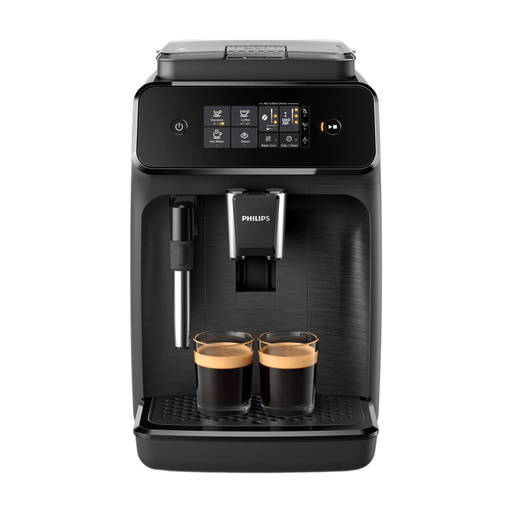 No image available
Suitable for individual orders made from beans; the classic Pannarello steam wand requires manual operation to froth milk.
The product description lists 12 grind settings, plus adjustable coffee strength and volume.
 No image available
Suitable for making coffee and milk-based drinks to order; the product description says the LatteGo parts are dishwasher-safe.
The product description lists 20 coffee varieties.
 No image available
An option for coffee made to order with milk froth; if you’re serving milk-based coffee, bear in mind the removable milk container and the cleaning it requires.
The product description lists LatteCrema Hot, 13 grind settings and a removable milk container.
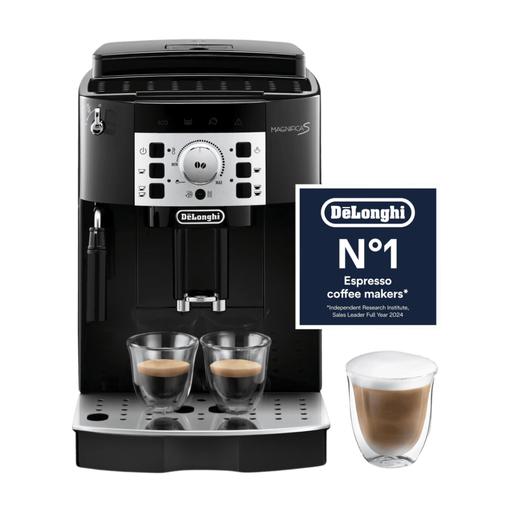 No image available
The machine grinds beans for individual orders and, according to the product description, can make two espressos or coffees at the same time.
Frothing milk with the manual steam wand requires attention while the drink is being prepared.
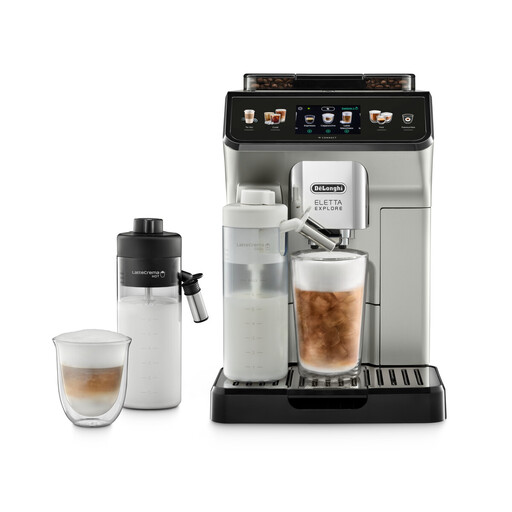 No image available
The product description says it makes drinks from beans at the touch of a button; for milk-based drinks, LatteCrema makes hot or cold milk froth.
The product title lists 13 drinks.
No. JURA Netherlands states a maximum of 50 cups per day for the W4, and WMF states a maximum of 80 for the 1100 S. These are daily figures, not a promise about how many orders the machine can handle during your interval. Plan around the number of cups, the time available and the drinks you want to serve, and test the process before buying.
Not with every model. WMF lists a 4.5-litre tank or a mains connection option for the 1100 S; Schaerer lists an internal tank or a mains connection with a kit for the Coffee Club. Check which configuration is supplied and whether there’s enough room to refill and clean the machine.
You’ll need to manage the milk supply and the cleaning required for your chosen model. Bravilor says the Sego 12L must be connected to a milk fridge, which isn’t automatically included. If you’re preparing or selling drinks as part of a business, you’ll also need to follow the applicable food safety procedures.
The NVWA states that food businesses must register, and that businesses preparing, processing or selling food must follow a food safety plan based on HACCP or an applicable approved hygiene code. The required allergen information must be available for non-prepacked drinks containing allergens, in line with NVWA rules. Check which obligations apply to your theatre’s activities.
Not automatically: the ACM outlines statutory guarantee rules for sales to consumers. For a business purchase, ask which warranty, maintenance and repair arrangements apply.