Start by estimating how many cups you’ll need during a session and at the busiest time. A domestic automatic machine may be enough for a modest coffee round, while a model with a manufacturer-stated daily capacity can be a useful starting point if demand is regularly high. A daily capacity figure doesn’t tell you how many cups the machine can make back-to-back during a peak hour. An automatic milk system gives you more choice of drinks, but also needs extra cleaning and attention to allergens.
Who is this choice relevant to?
Organiser planning for a coffee rush
You welcome visitors and repairers around the same time and want to know whether the machine can keep up with demand. Manufacturers state a daily capacity for some professional models, but this isn’t a measure of how many cups they can make during a peak hour. Repair Café International lists serving coffee and tea and welcoming visitors among a volunteer’s tasks.
Volunteer who also tidies up
You serve coffee and want refilling and cleaning to remain manageable after the session. So compare how easy it is to access the reservoirs, brewing unit and any milk-preparation parts. Philips, Melitta and Bosch describe different maintenance and milk options for their models.
Host serving milk-based drinks
You want to offer cappuccino and other milk-based drinks alongside black coffee, and can organise maintenance of the milk system. The Netherlands Food and Consumer Product Safety Authority (NVWA) says guests must be able to get information about allergens present in non-prepacked foods.
What should you look for when buying?
First, estimate how many cups you’ll need during a session and at the busiest hour. Then decide who will refill the machine, clean it and, if necessary, maintain the milk system.
| Priority |
What to look for |
Who is this more important for? |
| Keeping the coffee flowing at busy times |
Estimate the number of cups per session and during the busiest hour; compare daily capacity, reservoirs and the coffee grounds container separately. |
If lots of visitors arrive at around the same time, I want to avoid interruptions while serving coffee. Around 36% of consumers prioritise avoiding interruptions during a coffee rush. |
| Refilling and cleaning |
Check how easy it is to access the water tank and coffee grounds container, whether the brewing unit is removable, and what cleaning milk preparation requires. |
When volunteers take turns, I want refilling and cleaning to be straightforward. Around 29% of consumers say easy maintenance is their top priority. |
| Serving milk-based drinks |
Check how the exact model prepares milk and how it is cleaned, and decide who will provide allergen information. |
If visitors ask for cappuccino or latte, I want to be able to serve it with clear arrangements for cleaning and allergen information. Around 21% of consumers give milk-based drinks top priority. |
| Purchase and ongoing costs |
Ask which cleaning products and filters are needed, what service is available for your intended use, and what terms apply if you’re buying as a business. |
I want to weigh up in advance whether the purchase, maintenance and servicing fit within the available budget. Around 14% of consumers prioritise total costs. |
Things to consider before buying
-
Confusing daily capacity with peak-hour speed
The capacity figures JURA gives for the WE8 and W8 are per day, and aren’t a measure of how quickly they can serve coffee at a busy time.
Estimate both the daily total and the number of cups needed during the busiest hour. If you expect intensive use, ask for guidance on the exact model and how it will be used.
-
Choosing milk-based drinks without assigning the cleaning task
Milk preparation involves model-specific maintenance. The volunteer using the machine needs to be able to carry out this task, and information about allergens present must also be available.
Before buying, decide who will clean the machine and who will keep allergen information up to date. Choose a machine without a milk system if you don’t want to organise these tasks.
-
Assuming consumer protection also covers business purchases
ACM ConsuWijzer explains that a business owner who uses a contract mainly or exclusively for business purposes isn’t covered by consumer protection; the assessment may differ for other arrangements.
Before buying, check who the buyer is, what the machine will be used for and which written service terms apply.
If the expected cover doesn’t apply, the organisation may have to pay for servicing and repairs itself.
Brands to compare
JURA
The WE8 and W8 are professional models worth considering if a manufacturer’s daily capacity figure is important to you.
- For the WE8, JURA states around 30 coffee specialities per day, a 3 l water tank and a 500 g bean container. For the W8, the manufacturer states a recommended maximum capacity of 50 per day.
- These are manufacturer figures for different models, not independent peak-hour tests. Daily capacity doesn’t tell you how many cups you can make back-to-back during a busy hour.
De’Longhi
The Magnifica S ECAM22.110.B is a domestic option to compare if you’ll mainly be serving regular coffee and espresso.
- The manufacturer lists a 1,8 l water tank and a coffee grounds container with capacity for 14 portions; these details can help you plan when to refill and empty it.
- These details about the tank and grounds container don’t tell you how many cups the machine can make per hour.
Philips
The 2200 Series EP2220/10 is worth considering if a classic milk frother and removable brewing unit suit the way your volunteers work.
- Philips lists a removable brewing unit and a milk frother with two parts.
- Frothing milk is a separate task, so allow time for it and for cleaning.
Melitta
The Purista is an option if you mainly want to make espresso and café crème without a milk system.
- Melitta lists adjustable coffee strength and grind settings, and a width of 20 cm.
- Without a milk system, this model isn’t suitable for automatically prepared milk-based drinks.
Bosch
The VeroCafe TIE20301 is worth considering if automatic milk-based drinks are important and a 1,4 l tank suits your needs.
- Bosch lists cappuccino and latte macchiato at the touch of a button, and a removable brewing unit.
- Allow for maintenance of the milk system and check which cleaning products are needed.
Bean-to-cup machines at Joybuy
These fully automatic bean-to-cup machines make coffee one cup at a time and offer different options for milk-based drinks and cleaning.
 No image available
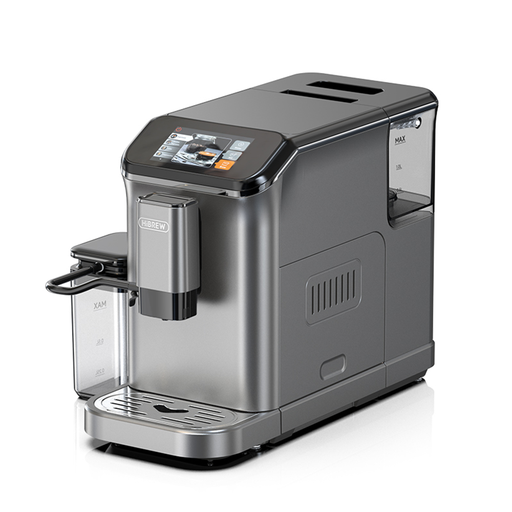
HiBREW H16 fully automatic coffee machine
The touchscreen controls and adjustable recipes may suit volunteers who want to use different settings.
4.3-inch touchscreen; 15 grind settings; removable milk container; smart cleaning function.
View at Joybuy
 No image available
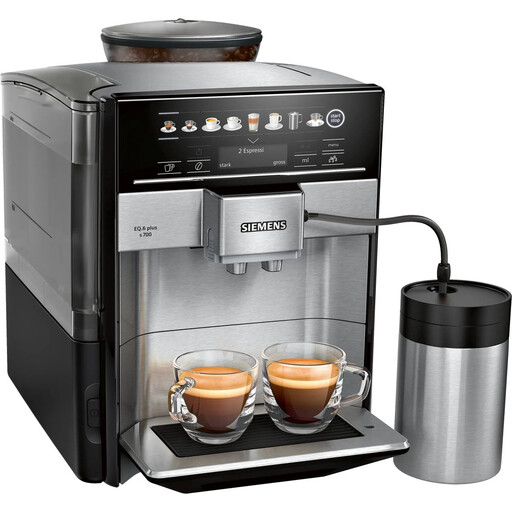
Siemens TE657M03DE EQ.6 Plus s700
This model may suit volunteers who want to make two cappuccinos at once during a busy spell.
According to the product description, it makes two cappuccinos at once; OneTouch DoubleCup; automatic steam cleaning after every drink.
View at Joybuy
 No image available
Philips 5500 Series EP5547/90 LatteGo
An option to consider if volunteers want to serve both coffee and milk-based drinks.
The product description lists 20 drink options and the ability to make two cups at once. It says the LatteGo system can be cleaned under the tap or in the dishwasher.
View at Joybuy
 No image available
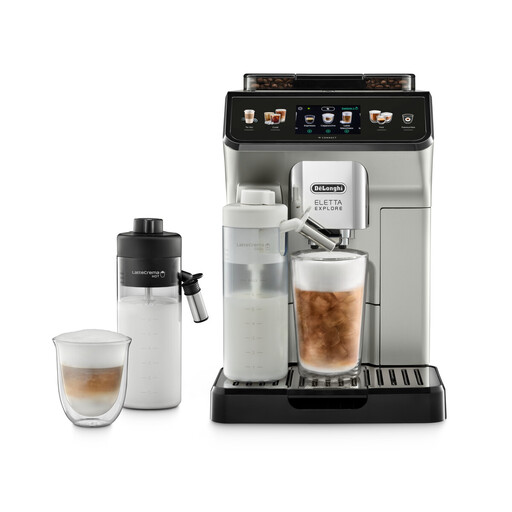
De’Longhi Eletta Explore ECAM450.65
This fully automatic machine is an option if you want automatically prepared coffee and milk-based drinks.
The product title lists 13 drinks. The description mentions automatic milk frothing, automatic cleaning and a removable brewing unit.
View at Joybuy
 No image available
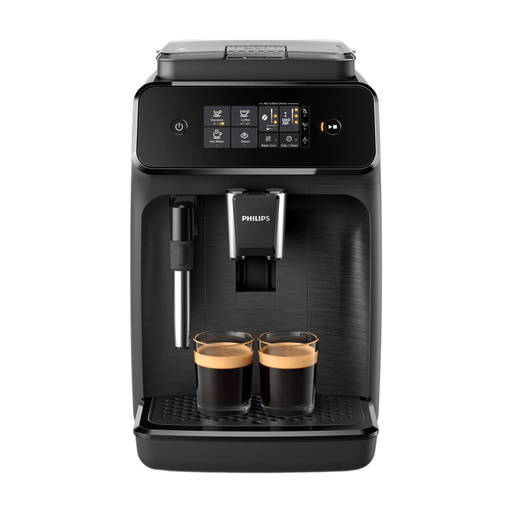
Philips 1200 Series EP1220/00
This machine may suit you if you want to make coffee one cup at a time from beans and need a removable brewing unit.
Ceramic grinder with 12 grind settings; removable brewing unit; classic steam wand. Milk is frothed manually.
View at Joybuy
Frequently asked questions
How can you tell if a domestic bean-to-cup machine will be enough?
Count the cups needed during the busiest session and separately consider refilling, emptying the coffee grounds container and cleaning. JURA states around 30 coffee specialities per day for the WE8 and a recommended maximum of 50 per day for the W8. These are manufacturer figures for different models, not a measure of how many cups they can make during a peak hour.
What should you do with the milk system after use?
Follow the manual for the exact model when cleaning after preparing milk. For the WE8, JURA says the fine foam frother outlet must be cleaned daily when milk has been prepared. This is a model-specific instruction, not a universal cleaning schedule for all brands.
Are consumer rights automatically protected when the Repair Café buys the machine?
No, not automatically. ACM ConsuWijzer explains that a business owner who uses a contract mainly or exclusively for business purposes isn’t covered by consumer protection; the assessment may differ for other arrangements. Agree in advance who the buyer is and which warranty and service terms apply to the intended use.
Which food safety rules apply when a Repair Café serves coffee?
The NVWA says an organisation must register if it sells food several times a year; its step-by-step guide lists an exemption from registration for a single sale per year. The NVWA also refers to direct supply to consumers in its registration information. Which rules apply to your situation depends on how often, and under what conditions, coffee is served. For non-prepacked drinks, make sure guests can get information about allergens present.


