Who is this relevant to?

Organiser during a busy coffee break

Wants to serve coffee to several visitors during the same workshop break. JURA gives an approximate daily capacity of 30 coffee specialities for the WE6 and WE8; this is a daily guide, not the time it takes to prepare a queue of orders.

Volunteer who also serves milk drinks

Wants to offer cappuccino and know who will clean the milk components afterwards. The Consumers’ Association recommends cleaning parts that come into contact with milk every day.

Person responsible for a shared coffee machine

Wants to keep cleaning, descaling and recurring maintenance tasks manageable when different volunteers use the machine. The Consumers’ Association points out that some machines won’t make coffee again after a descaling alert until the programme has been run.

What should you look for?

Mainly black coffee

A good fit if: visitors mainly drink espresso or lungo and don’t need an automatic milk function.

Keep in mind: daily capacity and reservoir size don’t tell you how many cups can be made one after another during a short break.

Automatic milk drinks

A good fit if: cappuccino is a regular request and a volunteer can clean the milk system according to the instructions.

Keep in mind: milk components need cleaning; also check how many milk drinks you’ll need to make in a row.

Plenty of recipes and two types of beans

A good fit if: people have different coffee preferences and extra recipes or two types of beans would be useful.

Keep in mind: more recipes don’t mean the machine makes coffee faster; check the controls and cleaning requirements too.

What to consider What should you check? Who is this important for?
Peak coffee demand Estimate how many orders will come in at once and check the brewing time for your preferred drinks, as well as the daily capacity and reservoir size. If lots of visitors want coffee during the same break, I want to know how many cups can be ready in a short time and who will refill the machine. Around 33% of consumers prioritise having enough coffee available at peak times.
Milk drinks and cleaning Check who will store the milk and clean the components after use; compare a removable milk system with manual frothing. If I want to offer cappuccino, I want volunteers to be able to clean the milk components properly afterwards. Around 27% of consumers prioritise milk drinks and cleaning that’s practical to carry out.
Easy-to-use controls Check how volunteers select the most popular drinks and who empties the water tank, drip tray and coffee grounds container. If different volunteers use the machine, I want the preferred drinks and daily tasks to be easy to explain. Easy operation is the main concern for around 20% of consumers.
Maintenance and running costs Check the manual for the cleaning and descaling programmes, recommended products and any filters required. If the machine will be used regularly, I want to know in advance which maintenance tasks and consumables will be needed over time. Around 20% of consumers focus mainly on maintenance and running costs.

Common pitfalls

  • Mistaking daily capacity for peak capacity

    JURA positions the WE6 and WE8 for around 30 coffee specialities a day. This figure doesn’t tell you how long it takes to prepare a run of orders during a single workshop break.

    Estimate demand during the busiest break separately, and check the brewing time for the drinks visitors are likely to order.

    A queue of orders can mean extra waiting time or more work for volunteers.

  • Assuming automatic milk preparation means no hands-on cleaning

    Parts that come into contact with milk need attention, even if the machine has a rinse programme.

    Assign someone to clean and store the milk, and follow the instructions for your chosen model.

    Allow time to clean the milk components after use.

  • Forgetting to plan for maintenance

    Filters need replacing, and a descaling programme can interrupt coffee making. The Consumers’ Association notes that some machines won’t make coffee again until descaling is complete.

    Before choosing a model, compare its maintenance instructions and programmes, as well as the consumables it requires.

    Filters, descaling products and maintenance all require recurring supplies and volunteer time.

Brands to consider

JURA

According to JURA, the Professional WE6 and WE8 models are designed for locations serving around 30 coffee specialities a day. This daily capacity figure doesn’t indicate how quickly the machines can make coffee during a busy period.

  • JURA lists a 3 l water tank and a coffee grounds container with a capacity of 25 portions for the WE6 and WE8.
  • The WE8 has a milk function; the WE6 is an option if visitors mainly drink black coffee.
  • The stated daily capacity doesn’t show how many visitors the machine can serve during a single break.

De’Longhi

The Magnifica S ECAM22.110.SB is designed mainly for espresso and lungo, with a traditional milk frother for the occasional milk drink.

  • De’Longhi lists a 1.8 l water tank, a coffee grounds container with a capacity of 14 portions and a manual milk frother.
  • With lots of visitors, you may need to refill it more often; frothing milk requires manual operation. How often depends on how the machine is used.

Philips

According to Philips, the EP2333/40 from the 2300 Series offers a limited choice of drinks and a removable LatteGo milk system.

  • Philips lists four drinks and a LatteGo system with two parts and no tubes.
  • A manufacturer’s cleaning claim isn’t an independent assessment of all the cleaning needed after a workshop. Follow the cleaning instructions for your chosen model.

Melitta

The silver Barista T Smart may suit anyone looking for a wide range of recipes and the option to choose between two types of beans.

  • Melitta lists 18 recipes and a manually selected bean hopper with two compartments.
  • A wide range of recipes or two types of beans don’t prove that a machine can handle more orders at peak times; compare the controls and cleaning requirements for your preferred drinks.

Bean-to-cup machines at Joybuy

This selection mainly features machines with automatic milk preparation for workshops where volunteers also want to offer milk drinks, plus an option for those who mainly serve coffee and espresso.
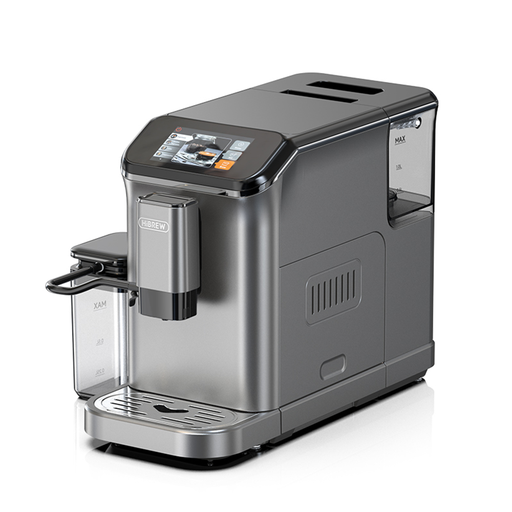
HiBREW H16 fully automatic coffee machine

HiBREW H16 fully automatic coffee machine

May suit volunteers who want to offer milk drinks and find a removable milk container useful.

Product information lists a 4.3-inch touchscreen, 15 grind settings, adjustable functions, a removable milk container and a smart-cleaning programme. The description also mentions 20-bar extraction pressure and pre-infusion.

Clean parts that come into contact with milk according to the instructions; the Consumers’ Association recommends cleaning these parts every day.

Joybuy
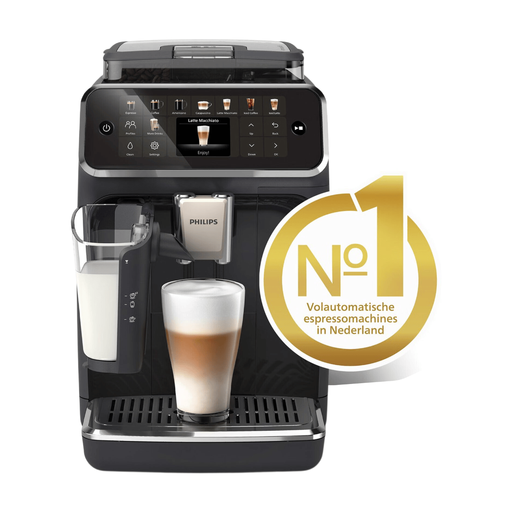
Philips EP5541/50 LatteGo Series 5500 fully automatic coffee machine

Philips EP5541/50 LatteGo Series 5500

May suit volunteers who want to serve several types of milk drinks and prefer a LatteGo system.

Product information lists 20 drinks, a ceramic grinder, 12 grind settings, an AquaClean filter and a 1.8 l water tank.

Clean the milk components after use; follow the instructions for your chosen model.

Joybuy

De’Longhi Rivelia EXAM440.55.G fully automatic espresso machine

De’Longhi Rivelia EXAM440.55.G

May suit volunteers who want automatic milk preparation and the option to switch between two types of beans.

Product information lists a LatteCrema system, two interchangeable bean hoppers, a touchscreen and the option to prepare two milk drinks at once. The description also mentions prompts to empty the drip tray and coffee grounds container.

Clean parts that come into contact with milk according to the instructions; the Consumers’ Association recommends cleaning these parts every day.

Joybuy
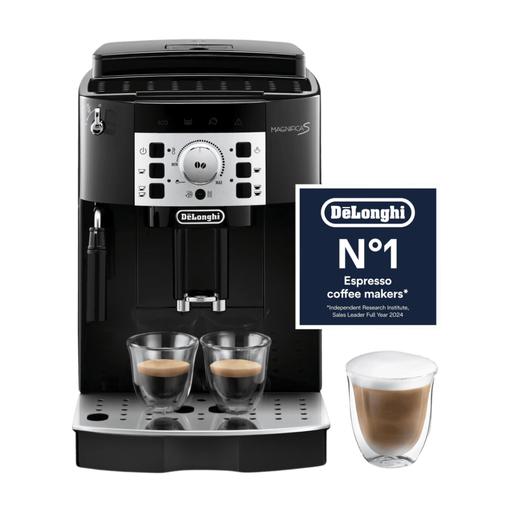
De’Longhi Magnifica S ECAM20.110 bean-to-cup coffee machine

De’Longhi Magnifica S ECAM20.110

May suit visitors who mainly drink coffee or espresso, with milk frothed by hand only occasionally.

Product information lists two coffees or espressos brewed at once, a 1.8 l water tank, a manual steam wand and a removable brewing unit. The product title mentions customisable profiles and fast heat-up.

Milk is frothed by hand using the steam wand, which requires additional steps.

Joybuy
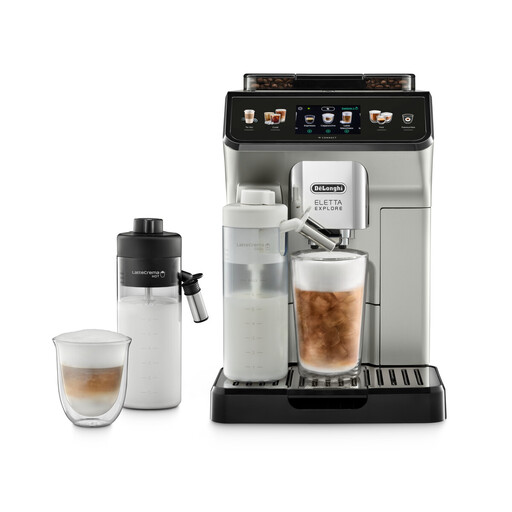
De’Longhi Eletta Explore ECAM450.65 bean-to-cup coffee machine

De’Longhi Eletta Explore ECAM450.65

May suit workshops that want to offer cold coffee drinks as well as milk drinks.

The product title lists 13 drinks and a LatteCrema system; product information mentions automatic milk preparation, cold brew, a touchscreen and a removable 1.8 l water tank.

Clean parts that come into contact with milk according to the instructions; the Consumers’ Association recommends cleaning these parts every day.

Joybuy

Frequently asked questions

Is a daily capacity of around 30 cups enough to serve everyone during a workshop break without a queue?

The daily capacity figure alone won’t tell you. JURA positions the WE6 and WE8 for locations serving around 30 coffee specialities a day, but that figure doesn’t show how long it takes to prepare a run of orders during a single break. So estimate expected peak demand separately.

What needs to happen after using a milk system?

Clean parts that come into contact with milk according to the machine’s instructions. The Consumers’ Association recommends cleaning milk components every day; don’t assume an automatic rinse cycle replaces this cleaning.

Does a repair café serving coffee during a cookery workshop need to follow a food hygiene code?

You can’t determine this from the name ‘repair café’ alone. The NVWA describes food safety plans or hygiene codes for businesses that prepare, process or sell food. Dorpshuizen.nl also distinguishes between occasional service to smaller groups and regular, business-like service. Check how the workshop is organised and which rules apply.

What allergen information is relevant when serving coffee with milk?

When a business serves unpackaged drinks to consumers, the NVWA requires information about any allergens present. Check which ingredients are in the milk drinks you offer and how visitors will be informed about them.

What maintenance and service points should a repair café compare in advance?

Compare filters, cleaning products, descaling and the time volunteers will spend on maintenance. Also check which service and warranty terms apply to the intended buyer and use; consumer rights for a private purchase don’t necessarily apply when an organisation makes the purchase.
