Start by working out how many cups you want to serve in a short space of time around the shared meal: a stated daily capacity doesn’t tell you how quickly guests can be served during that coffee rush. A domestic automatic coffee machine may suit a smaller group; for larger, regular gatherings, give more thought to a professional machine, refilling and servicing. Milk drinks offer more choice, but also need a clear cleaning arrangement.
Who is this choice for?
Organiser of a busy coffee round
You expect several guests to want coffee shortly after the meal. Compare demand during that short period with the machine’s serving speed, refill requirements and intended level of use. Daily capacity alone won’t tell you how long the queue will be.
Volunteer responsible for the machine
You want volunteers to be able to use the machine even if they take turns, and it should be clear who cleans the brew unit, drip tray and any milk components afterwards.
Buyer with a limited organisation budget
You compare the machine with recurring supplies, such as beans, cleaning products and filters, and record on behalf of the organisation what warranty and service arrangements apply.
What should you look for?
Domestic machine mainly for black coffee
A good fit when: the coffee round is small, someone can top up the water in between and a volunteer is available to maintain the machine.
Bear in mind: a traditional milk frother needs to be operated manually; also check the machine’s capacity for your own needs.
Domestic machine with automatic milk drinks
A good fit when: guests regularly ask for cappuccino or other milk drinks and volunteers want to prepare them with minimal steps.
Bear in mind: automatic preparation doesn’t remove the need to clean parts that come into contact with milk.
Professional machine for larger, regular gatherings
A good fit when: you regularly make lots of cups in one evening and want to consider business service and maintenance arrangements.
Bear in mind: consider installation, cleaning and servicing alongside actual use; a stated daily capacity doesn’t measure queue times during the meal.
| What to consider |
What should you check? |
Who should consider this? |
| Coffee rush |
Estimate demand during your busiest round and check the stated daily capacity, water tank and grounds container for the exact model. If necessary, ask how many cups it can make at a time. |
If lots of people want coffee at the same time after the meal, I want to know whether the machine can handle the rush and how often someone will need to refill it. Around 33% of consumers prioritise serving coffee at the busiest time. |
| Cleaning by volunteers |
Read the instructions for the exact model and agree who will carry out daily and periodic cleaning. |
I want to make sure cleaning doesn’t get overlooked when volunteers take turns. Around 27% of consumers prioritise having a clear cleaning rota. |
| Milk drinks |
Check the full model number to see whether milk drinks are prepared manually or automatically, and which parts need cleaning after use. |
If guests ask for cappuccino, I want to know who cleans the milk components and when. Around 20% of consumers prioritise milk drinks with a manageable cleaning routine. |
| Costs and service |
Compare the purchase or quote terms, recurring supplies and arrangements in the event of a fault; check who is legally making the purchase. |
I want clarity on maintenance and help if something goes wrong before buying on behalf of the organisation. Around 20% of consumers prioritise total costs and service arrangements over extra capacity or drink choice. |
Things to consider when buying
-
Assuming daily capacity means a quick coffee round
Manufacturers state capacity per day, but many guests may want their coffee within a short period after the meal. This figure doesn’t tell you how long the queue will be during your busiest round.
Estimate in advance how many cups you’ll need and which drinks people will want during that round. If in doubt, ask for a demonstration using those drinks.
An unsuitable estimate could mean longer waits and more refilling during the gathering.
-
Choosing automatic milk drinks without agreeing who will clean them
Even with automatic functions, parts that come into contact with milk still need maintenance. Siemens specifies that the EQ6 plus milk system must be cleaned after use.
Check the manual for the exact version and agree in advance who will clean it during and after the gathering.
Cleaning takes time and requires suitable cleaning products; make sure the tasks involved are right for the version you choose.
-
Assuming you have the same rights as with a personal purchase
ACM ConsuWijzer explains that consumer protection depends in part on the nature of the use and the agreement. A purchase on behalf of a Repair Café is therefore not necessarily the same as a personal purchase.
Record who is making the purchase, what the machine will be used for and which service and warranty terms have been agreed with the seller.
Brands to consider
JURA
The professional WE6 range is worth considering for a shared venue with a larger, regular coffee round.
- JURA states that the WE6 can make around 30 coffee specialities a day, with a 3 l water tank and a grounds container for 25 portions.
- These are manufacturer figures, not a measure of how quickly it serves coffee during a meal-time rush. JURA says the machine is sold through specialist dealers.
WMF
The professional 1100 S is worth looking into if serving a larger group and fitting out a permanent communal space are priorities.
- WMF states that the 1100 S can make 80 cups a day, has a 4.5 l water tank and can be connected directly to a water supply.
- The stated daily capacity isn’t an independent test of peak performance. The amount of manual cleaning also depends on the milk configuration you choose.
Philips
The domestic EP2220/10 is an example to consider for a smaller group that mainly drinks regular coffee.
- Philips lists a 1.8 l water tank, a 275 g bean hopper and a classic milk frother for this model.
- These specifications alone don’t determine whether the machine is suitable for every group size or for continuous use.
De'Longhi
The Magnifica Evo range includes versions with different milk functions, so compare the full model numbers.
- The Dutch product page for ECAM290.21.B lists a steam function and a 1.8 l water tank; cappuccino and latte macchiato are among the drinks listed for ECAM290.81.TB EX:1.
- Features available on one version aren’t automatically available on another.
Siemens
The EQ6 plus range is worth considering if drink choice and ease of use are important and someone can take care of the milk system.
- Siemens describes adjustable drinks and an automatic steam rinse for the range.
- Siemens’ maintenance instructions also say to clean the milk system after use. Check the features and instructions for the exact version.
Products at Joybuy
These models are domestic automatic coffee machines with automatic milk drinks. Focus on comparing the controls you want and the cleaning routine for the exact version.
 No image available
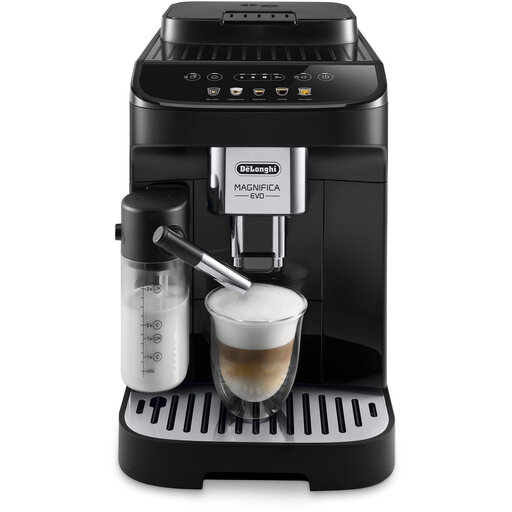
De'Longhi ECAM290.61.B Magnifica Evo
An option to consider if volunteers want to make a range of milk drinks.
The product name lists 5 One-Touch drinks and LatteCrema Hot Technology.
View at Joybuy
 No image available
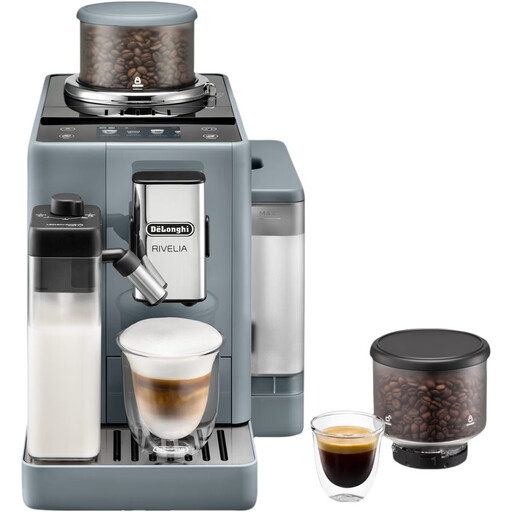
De'Longhi Rivelia EXAM440.55.G
An option to compare if you want to switch between different types of coffee beans and make milk drinks.
The product name lists LatteCrema Hot Milk Frother and Bean Switch System.
View at Joybuy
 No image available
Philips 5500 Series EP5547/90 LatteGo
An option to compare with other models if you’re looking for a domestic automatic coffee machine for milk drinks.
The product name lists the LatteGo system.
View at Joybuy
 No image available
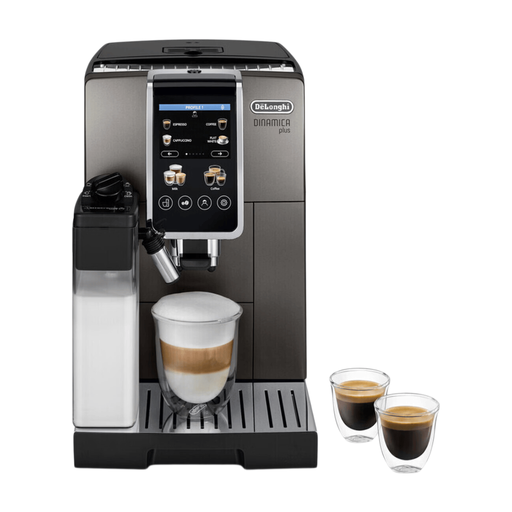
De'Longhi ECAM380.95.TB Dinamica Plus
An option to compare if you want to offer several types of drinks during a shared coffee round.
The product name lists the LatteCrema system and 13 drinks.
View at Joybuy
 No image available
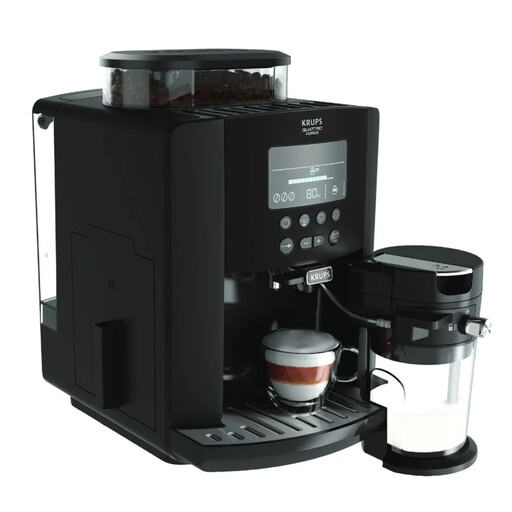
Krups EA819N Arabica Latte, black
An option to compare for a shared coffee machine if milk drinks are also on your wish list.
View at Joybuy
Frequently asked questions
How can you tell whether a machine can handle the coffee round after a meal?
Count how many people want coffee during your busiest round and note which drinks they choose. Compare this with the water tank, grounds container, controls and intended daily use of the exact model. The Consumentenbond lists the number of cups and the types of coffee you want as points to consider; a figure in cups per day doesn’t tell you how long the queue will be during one particular round.
What should you arrange before using the machine at a shared venue for the first time?
Check that the machine will fit in the available space with its water tank full, that there’s access to water and a power socket, and agree who will fill and clean it. WMF states that the 1100 S has an integrated water tank and can be connected directly to a water supply; don’t assume another version offers the same connection options.
Does an automatic milk programme mean you don’t need to clean the machine?
No. Follow the instructions for the exact model. Siemens says to clean the EQ6 plus milk system after use. Agree in advance which volunteer will do this.
What costs and service arrangements should a Repair Café check?
Compare the purchase price or quote with the cost of beans, suitable descaler or filters, and repair arrangements. Record who is making the purchase and what the machine will be used for. ACM ConsuWijzer distinguishes between mainly private and mainly business use, so don’t automatically assume that a purchase on behalf of an organisation comes with the same consumer protection as a personal purchase.
Is an HACCP plan automatically required for coffee and a shared meal?
Not just because the gathering is called a Repair Café. The NVWA says an HACCP food safety plan is required for anyone who prepares and sells food at events several times a year. Whether that applies to your meal and coffee service depends in part on whether food is sold and how often. Safe food handling and, where relevant, allergen information also deserve attention.


