What should you consider when choosing?
First, decide how many cups need to be ready at once. Then consider drink preferences and cleaning routines, and check that the machine will fit in the space available.
| What to consider |
What to look for when buying |
Who is this most important for? |
| Several cups during a short break |
Check whether the machine makes two separate cups at once or has a coffee pot function; these are different ways of serving coffee. |
If several students want coffee during the same short break, making it for the group matters. Around 36% of consumers say the number of cups per round is their main consideration. |
| Cleaning between lessons |
Check who will clean the milk system after use and what steps the manual specifies for the exact model. |
If you want the machine ready again quickly after a lesson, pay particular attention to the cleaning steps. Around 29% of consumers prioritise a manageable cleaning routine. |
| Different drink preferences |
Check whether you can use pre-ground coffee for decaf and whether milk-based drinks are made manually or automatically. |
If students take turns asking for black coffee, decaf or milk-based drinks, the preparation method you want is key. Around 21% of consumers prioritise this kind of variety. |
| Space and disruption to lessons |
Measure the space where the machine will go, including room to fill the reservoirs. Don’t treat claims about noise as measured values. |
If worktop space is limited or you’ll use the machine during lessons, its dimensions and where it will be used matter even more. Around 14% of consumers prioritise space or quiet operation. |
Bean-to-cup machines at Joybuy
This selection of Joybuy products includes fully automatic bean-to-cup machines for group coffee breaks, varied drink preferences and the occasional manually frothed milk drink. For each machine, check that its preparation method suits your class and the way you plan to use it.
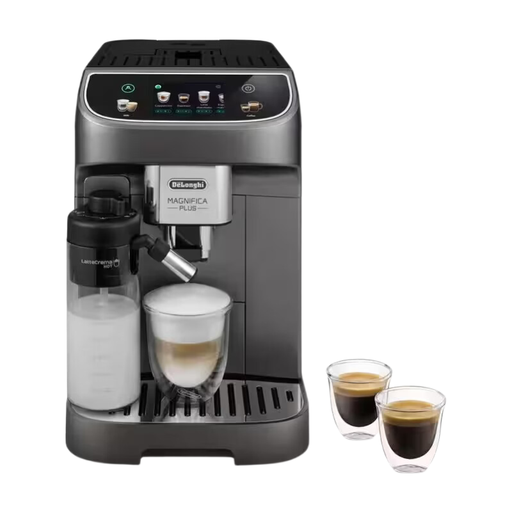 Image unavailable
De’Longhi Magnifica Plus ECAM320.70.TB
Worth considering if the group enjoys a range of coffee and milk-based drinks; the product description mentions automatic milk preparation.
The description lists 18 drinks at the touch of a button, a removable 1.9-litre water tank and removable, dishwasher-safe parts. The machine is designed for home use, so check that this suits how you plan to use it for your language class.
View at Joybuy
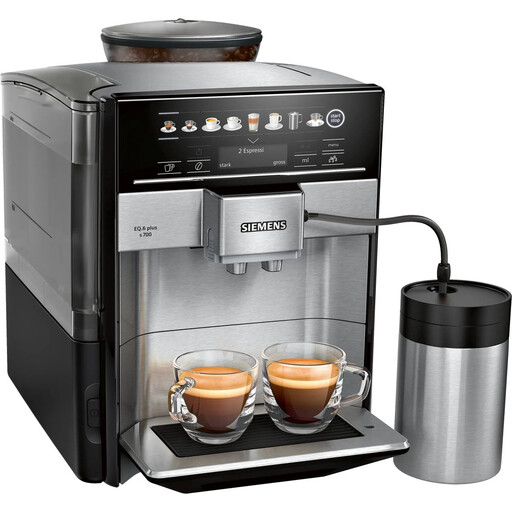 Image unavailable
Siemens TE657M03DE EQ.6 Plus s700
A possible choice for a group break when two students want coffee at the same time.
The product description lists OneTouch DoubleCup for making two cups at once, including milk-based drinks, and automatic cleaning of the milk system after each drink. It also mentions four favourite drinks.
View at Joybuy
 Image unavailable
Philips 5500 Series EP5547/90 LatteGo
An option to consider if the group enjoys both coffee and milk-based drinks, and you’d like to make two cups at once.
The product description lists 20 coffee specialities and the ability to make two cups at once. According to the description, you can clean the LatteGo system under the tap or in the dishwasher.
View at Joybuy
 Image unavailable
De’Longhi ECAM290.61.SB Magnifica Evo
A possible choice for a small group coffee round with students who also enjoy milk-based drinks.
The product description lists the ability to make two cups at once and automatically prepare cappuccino and latte macchiato. The milk container can be removed and refrigerated, and the brewing unit is removable.
View at Joybuy
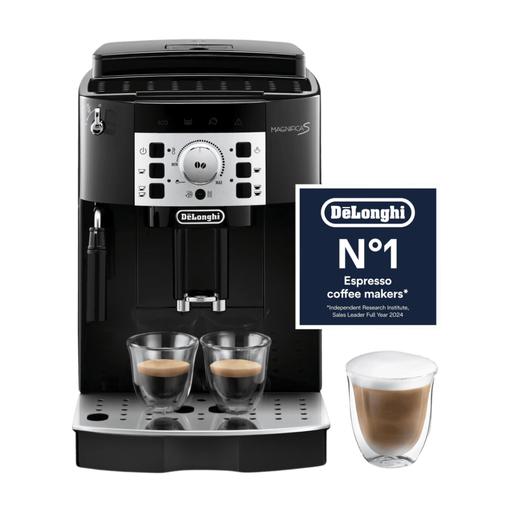 Image unavailable
De’Longhi Magnifica S ECAM20.110, black
An option for a small coffee round when you occasionally want to froth milk by hand.
The product description lists the ability to make two coffees or espressos at once and a manual steam wand for milk. The brewing unit is removable.
View at Joybuy
Frequently asked questions
Is making two cups at once the same as making a pot of coffee?
No. Siemens lists a two-cup function and a coffee pot function of up to 750 ml separately for the EQ600. Choose the preparation method that suits how you want to serve coffee during the break.
What needs cleaning after making milk-based drinks?
Follow the instructions for the exact model. Siemens says to clean the EQ300 milk system after every use; don’t automatically assume the same model-specific instruction applies to other machines.
As a consumer buying in the Netherlands, am I automatically entitled to exactly two years’ legal guarantee?
No. According to the Dutch government, there is no fixed period for the statutory guarantee in the Netherlands. If a product is faulty, you may be entitled to a free repair, replacement or refund; normal wear and tear or damage caused by your own actions isn’t automatically covered. If you’re buying for a business, check the applicable terms and conditions of sale too.
Does an organiser need to register with the NVWA to serve coffee to students?
It depends on the specific circumstances. The Netherlands Food and Consumer Product Safety Authority says that businesses supplying food directly to consumers must register. For food sales, its guidance distinguishes between selling several times a year and once a year. Check who is supplying the coffee, whether this is a business activity and how often it happens.
What if a class serves milk or other allergens with coffee?
If you’re a business serving food to consumers, you must provide information about any allergens present, according to the Netherlands Food and Consumer Product Safety Authority. First check whether these rules apply to the organisation running the class, then provide information about relevant ingredients in line with the applicable rules.


