
Vandaag of morgen in huis

Kwaliteit gegarandeerd

Welkomstaanbiedingen ontgrendelen: GRATIS bezorging | Tot 80% korting | Gratis 30 dagen JoyPlus-proefperiode
Download de app
A fully automatic bean-to-cup coffee machine grinds coffee beans, brews coffee and, on suitable models, also froths milk at the touch of a button. That sounds simple enough, but not every machine suits every household. A single user has different requirements from those of a family making several cappuccinos a day.
Pay particular attention to these three common pitfalls:
Lots of programmes, but little control
A long list of coffee specialities doesn't automatically tell you about the customisation options. Check whether you can also adjust the coffee strength, volume, temperature and grind setting.
A milk frother that demands more maintenance than expected
A coffee machine with a milk frother can be handy, but milk residue often needs to be removed or flushed through straight away. An automatic milk programme reduces the workload, but doesn't always replace the need to clean separate parts.
Capacity that doesn't match your usage
A 1.8-litre water tank and a bean hopper of around 250g are practical for multiple users, but they also take up space. Measure your worktop and check whether you can remove the tank from the top or the side.
A bean-to-cup coffee machine has a built-in grinder that mills the beans just before brewing. Don't just look at the power or pump pressure. More important are:
An espresso machine with a built-in coffee grinder is convenient when you don't want to buy a separate grinder. The De'Longhi ECAM290.61.SB, for example, has 13 grind settings, a bean hopper of 250g and a water tank of 1.8 litres. According to the product description, you can also use ground coffee.
A separate grinder, such as the HiBREW G3, is mainly suitable for a lever machine or filter setup. It has 34 grind settings and a bean hopper of 210g, but it is not a replacement for a fully automatic bean-to-cup coffee machine.
If you often make cappuccinos and lattes, pay attention to the type of milk system.
With the De'Longhi Magnifica Evo ECAM290.61.SB, the milk reservoir is removable and automatic cleaning of the milk system is mentioned. According to Philips' own product information, the LatteGo system on the Philips 5500 series can be rinsed under the tap or cleaned in the dishwasher. Treat this as a product specification, not a guarantee that every part is maintenance-free.
A coffee machine with automatic cleaning often runs rinse or cleaning programmes, but you still need to maintain the drip tray, grounds container and brewing unit. So check:
A water filter can help reduce limescale build-up, but it will still need replacing. The water hardness in your area also affects how often descaling is needed. Set the water hardness according to the manual.

Why this fits the profile: The controls are designed for everyday use and the machine has a classic steam wand for cappuccinos or lattes.
The product information mentions 12 grind settings, adjustable strength and volume, a removable brewing unit and a 1.8-litre water tank.
100% ceramic grinder, touch controls, support for a water filter and a two-year warranty according to the product listing.
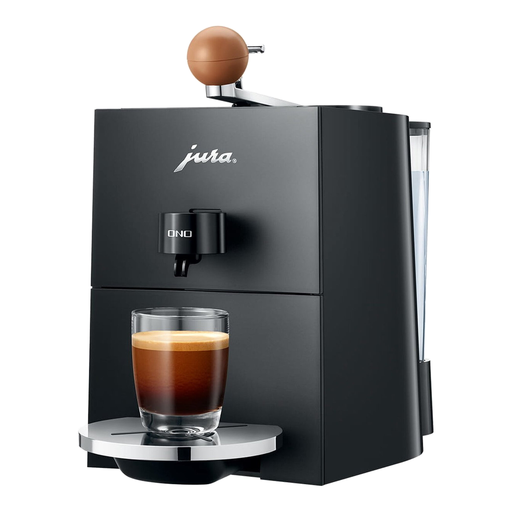
Why this fits the profile: This model is designed for one cup at a time and uses freshly ground coffee powder without capsules.
The choice of ground coffee powder makes switching between blends easy. Bear in mind, though, that it has no bean hopper and no automatic milk programme.
Compact dimensions, adjustable coffee strength, water filter, automatic descaling and dishwasher-safe parts according to the product information.
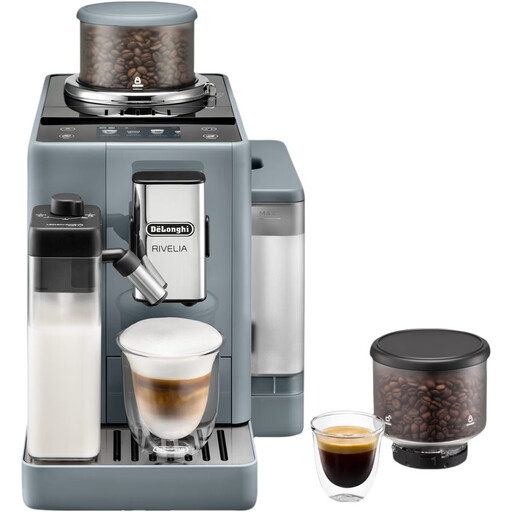
Why this fits the profile: Two interchangeable bean hoppers are practical for households that regularly switch between coffee varieties.
The interchangeable hoppers mean you don't have to finish one type of bean before using a different blend. The hoppers must be swapped according to the manual.
Automatic milk preparation, two milk-based drinks at once, hot water function and Bean Adapt Technology according to De'Longhi's product description.

Why this fits the profile: The product description mentions 20 coffee recipes, two user profiles and options for hot, black, milk-based and iced coffees.
The settings and profiles mean each user doesn't have to re-enter their preferences every time. The LatteGo milk component is still a part that needs regular cleaning.
12 grind settings, ceramic grinder, two cups at once and a LatteGo system that Philips says is dishwasher-safe.
We've put together a full, up-to-date list of products that fully meet these strict selection criteria and current European safety regulations.
The purchase price isn't the only expense. Bear in mind:
A fully automatic espresso machine often rinses automatically when switching on and off. That uses water and fills the drip tray more quickly. Empty the drip tray and grounds container in good time to prevent odours and faults. Clean the brewing unit according to the manual and only use maintenance products approved for your model.
The lifespan depends on usage, water hardness and maintenance. Daily cleaning, timely descaling and replacing filters can help reduce wear and tear. Also look at the availability of brewing units, milk components and service. Most of the models mentioned list a statutory warranty of at least two years.
That depends on the number of cups per day, the price of beans, maintenance and your current spending. Making coffee at home can be cheaper per cup than buying from a café, but a machine comes with maintenance and purchase costs. So compare the cost per cup over several months.
Generally, unroasted or flavoured beans are not suitable; use coffee beans according to the model's manual. Siemens, for example, states that you should not put flavoured beans in the bean hopper. Only adjust the grind setting in the way the manufacturer specifies.
