
Vandaag of morgen in huis

Kwaliteit gegarandeerd

Welkomstaanbiedingen ontgrendelen: GRATIS bezorging | Tot 80% korting | Gratis 30 dagen JoyPlus-proefperiode
Download de app
Making the switch from filter coffee or pods to a machine that uses fresh beans is a significant upgrade. For many, the aroma of freshly ground beans and the rich taste of a perfect espresso or cappuccino are reason enough to invest. However, the market is flooded with models, and marketing promises don't make the choice any easier. Before you invest, it's crucial to know what to look for to avoid paying for features you won't use or, worse, buying a machine that starts malfunctioning after just a year.
As a Product Recommendation Officer at Joybuy, I filter the information and help you make the right choices based on facts, not hype. Let's look at the three most common pitfalls.
To avoid a bad purchase, focus on the specifications that truly matter. These are the three factors that determine the quality, convenience, and lifespan of your fully automatic coffee machine.
How do you prefer your coffee? Your answer will determine which milk system is right for you.
An espresso machine with a grinder is only as good as its internal components.
A machine that "auto-cleans" is not always maintenance-free. Most devices have a rinsing cycle, but you still have to clean the brew group and the drip tray yourself. Check if the key components (brew group, drip tray, milk carafe) are easy to access and remove. A machine that discourages you from cleaning it will produce inferior coffee over time.
Based on these criteria, we have selected several popular models that suit different user profiles.
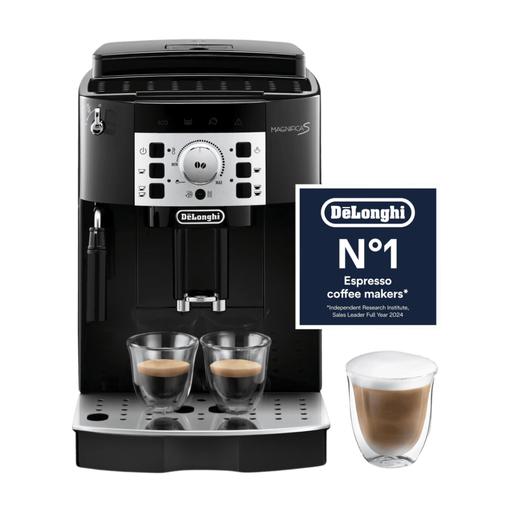
Why This Fits Their Persona: Perfect for those who want to explore the world of fresh beans without immediately paying a premium. This model offers the essentials: freshly ground coffee and the ability to manually froth milk for a cappuccino.
This machine sidesteps the pitfall of unused programs by focusing on core functions. The manual steam wand is robust and easy to clean, thus avoiding the "one-touch" trap.
The removable brew group makes thorough cleaning very straightforward. The value for money of this model has been one of the reasons for its popularity for years.
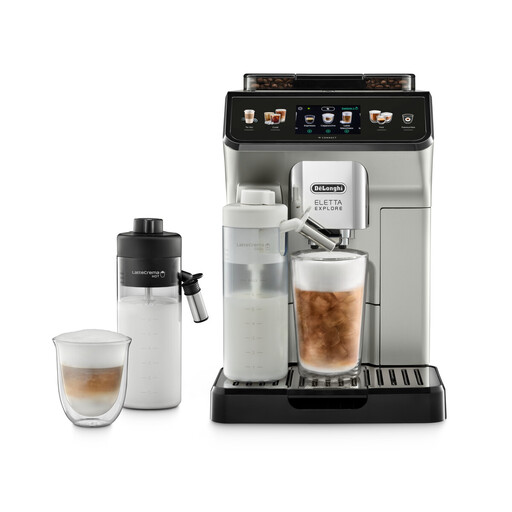
Why This Fits Their Persona: For those who love variety and convenience. This machine offers a wide range of hot and cold beverages, all at the touch of a button. Ideal for a busy household where everyone has their own favourite coffee.
Although it has many programs, its strength lies in its user-friendliness. The LatteCrema milk system is user-friendly according to the Dutch Consumers' Association, and its parts are dishwasher-safe, which tackles the "one-touch" trap of complex maintenance.
The ability to make both hot and cold milk foam is a unique feature. According to De'Longhi, the Bean Adapt Technology automatically adjusts the grinding and brewing settings to your beans.
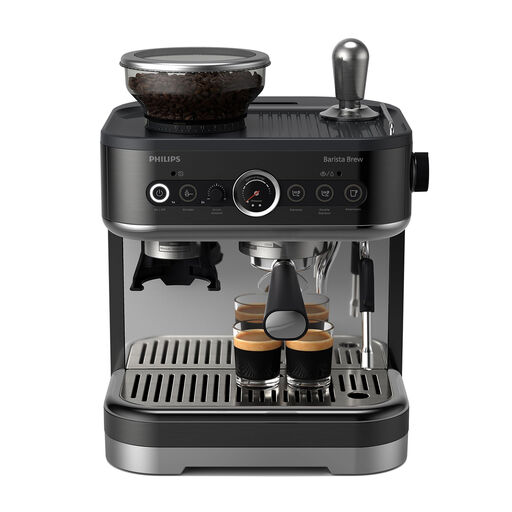
Why This Fits Their Persona: This is a semi-automatic (piston machine) with a built-in grinder for those who want to control the coffee-making process themselves. From grinding and tamping to frothing the milk.
This type of machine is the antithesis of the "one-touch" trap. It is designed for control and manual operation, not for automated convenience. The focus is entirely on the quality of the extraction.
The professional-sized 58 mm stainless steel portafilter and the built-in manometer (pressure gauge) provide direct feedback for optimal extraction, something fully automatic machines do not offer.
A good machine is half the battle; the other half is the bean. Not all coffee beans for a fully automatic machine are created equal. Very dark roasted, oily beans can clog the grinder over time. For daily use, medium roast beans are often a safe and flavourful choice.
We have compiled a complete, up-to-date list of products that fully meet these strict selection criteria and Dutch regulations.
1. How often should I descale a bean-to-cup coffee machine? This largely depends on the water hardness in your area and how intensively you use the machine. Most modern machines will notify you when it's time to descale. As a rule of thumb, you can expect to do this once every 2 to 3 months. Using a water filter in the water tank can reduce this frequency.
2. Can I use all types of coffee beans in a fully automatic machine? In principle, yes, but caution is advised with extremely dark roasted (oily) beans. The oils can leave a sticky residue in the grinder and the brew group, which can lead to blockages in the long run. It's best to choose beans labelled as 'suitable for fully automatic machines' or opt for a medium roast.
3. What is the average lifespan of a fully automatic coffee machine? With proper and consistent maintenance, a quality fully automatic machine can easily last 5 to 10 years. The key to a long lifespan is diligently following the manufacturer's cleaning and descaling instructions. In particular, cleaning the (removable) brew group weekly makes a huge difference.
