
Organising a busy coffee break
You want to serve lots of singers during a short break, so you’re looking at consecutive preparations, refilling and suitability for shared use.


Choose a bean-to-cup machine based on how many cups need to be made in quick succession during the break, not just its stated daily capacity. If you mainly serve black coffee, a simpler milk solution may be enough. For cappuccinos, consider how the milk system works and how it needs to be cleaned after use. A daily capacity won’t tell you how quickly a queue can be served during one short break.
You want to serve lots of singers during a short break, so you’re looking at consecutive preparations, refilling and suitability for shared use.
You want to offer cappuccinos as well as black coffee and know in advance who will clean the milk system afterwards.
You’re looking for a machine that’s easy to use and maintain after an evening class, from emptying and cleaning to descaling as directed in the manual.
For a bean-to-cup machine used during a choir break, peak demand, the drinks you want to serve and the clean-up afterwards all help determine which features are practical.
| What to consider | What should you check? | Who should pay particular attention? |
|---|---|---|
| Cups during the break | Estimate the number of orders, the length of the break and the drink sizes you’ll need. Also check when the water, beans or coffee grounds will need topping up or emptying. | I want to know whether the queue can be managed during the short break, rather than looking only at daily capacity. Around 36% of consumers put serving speed first. |
| Black coffee and milk-based coffee | Check which milk-based drinks the exact model can make, whether it can prepare your preferred drink for two cups at once, and how the milk system needs to be cleaned. | If cappuccinos matter as well as black coffee, I want to know how many steps are involved in preparing and cleaning the drinks. Around 29% of consumers put milk-based coffee first. |
| Cleaning after the class | Check the manual to see how to clean the milk components, brewing unit, drip tray and coffee grounds container, and who will take care of the routine. | I want a volunteer to be able to look after the machine after the break according to the manual, even if the person responsible changes. Around 21% of consumers put maintenance first. |
| Purchase and running costs | Compare the cost of beans, milk if needed, recommended maintenance products, filters and any service terms over the same period of use. | If the machine will only be used on class evenings, I want to weigh up its features and running costs against the amount of coffee the choir will actually make. Around 14% of consumers put cost first. |
JURA gives the W4 a recommended maximum of 50 cups per day. This isn’t a measured preparation speed and doesn’t tell you how many cups will be ready during the minutes available for your break.
Estimate the number of orders and the length of the break, then check the preparation time and drink size for the exact model.
The options for making two cups at once vary by model and recipe. Melitta lists the Double Cup function for many specialities, but that doesn’t automatically apply to every recipe.
Check the recipe list for the exact model before counting on this feature to help manage the queue.
Beans, milk if you use it, and the maintenance products recommended by the manufacturer can all be recurring costs. The Consumentenbond advises looking beyond the purchase price.
When comparing models over the same expected period of use, also factor in how often you’ll use the machine and its recommended maintenance routine.
A model name that looks similar to another one doesn’t in itself confirm that it’s the same product. A different variant may have different features and specifications.
Check the brand, full model number and key features on the product page before choosing a machine.
The W4 is a professional option for shared use, particularly if you mainly serve black coffee.
The CI Touch is a domestic automatic coffee machine for groups who want to offer both black coffee and milk-based drinks.
The Magnifica S ECAM22.110.B is an option for mainly black coffee, with milk that you can froth manually now and then.
The EQ6 plus s100 TE651319RW is an option to consider if you want to serve milk-based drinks automatically.
Philips automatic coffee machines with LatteGo are worth considering if cleaning the milk components is a priority.
These product choices are automatic machines that use coffee beans, selected with different coffee and milk preferences in mind, as well as the care needed after the break.
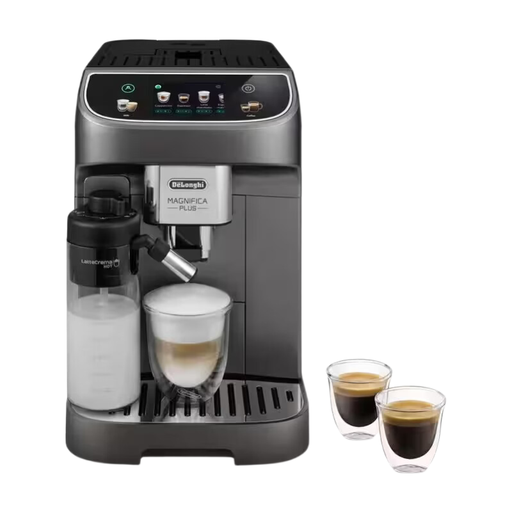 No image available
Could suit a group that wants both black coffee and milk-based drinks. The description says it’s for domestic use and excludes commercial use.
The product description lists 18 one-touch drinks, a 1.9-litre water tank and removable, dishwasher-safe components.
According to the description, the milk frother is cleaned automatically; the drip tray and coffee grounds container need to be emptied regularly.
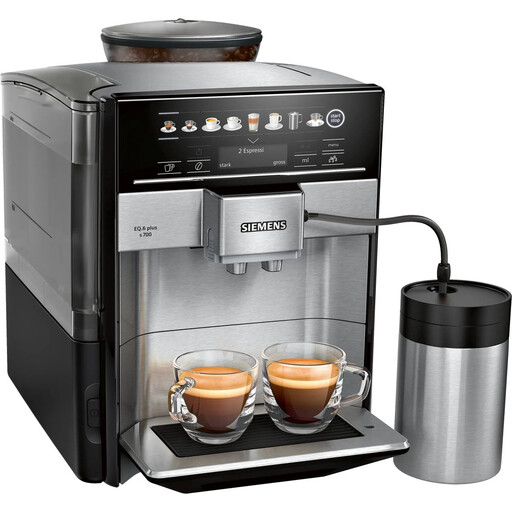 No image available
Could suit a group whose guests order both black coffee and milk-based drinks, if the two-cup function works for the recipes you want.
The product description lists OneTouch DoubleCup for making two cups at once, including milk-based coffee specialities.
The description mentions automatic steam cleaning of the milk system after every drink and space for four favourite drinks.
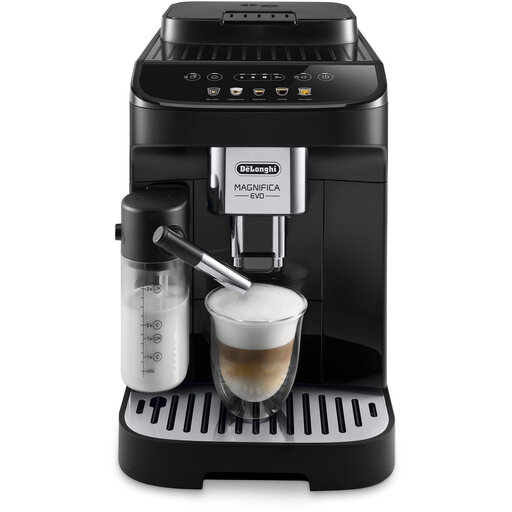 No image available
Could suit you if you want to offer a selection of coffee and milk-based drinks at the touch of a button.
The product description lists five one-touch drinks, including espresso, cappuccino and latte macchiato.
The stated specifications include a 1.8-litre water tank, a 250-gram bean container and a removable milk container.
 No image available
Could suit a group that wants automatic milk-based drinks and a choice of beans to suit different preferences.
The product description lists two interchangeable bean containers and the ability to prepare two milk-based drinks at once.
It also mentions a touchscreen, a removable milk container, and cleaning and descaling instructions.
 No image available
Could suit you if you want to offer a range of coffee drinks and be able to clean the milk components after use.
The product description lists 20 coffee drinks and the ability to make two cups of coffee at once. This doesn’t automatically mean that every milk-based drink can be made for two cups.
For LatteGo, the description says the components can be rinsed under the tap or cleaned in the dishwasher.
Count how many people want coffee during the same break, which drinks they’ll choose and how many minutes you have. Compare this with the preparation time and refilling requirements for the exact model. A recommended daily maximum, such as the figure JURA gives for the W4, doesn’t tell you how many cups it can make during that particular break.
Follow the manual for the model you choose. For the LatteGo system described, Philips recommends cleaning after every use and also mentions maintenance of the brewing unit, drip tray and water tank. Don’t assume the same instructions apply to another brand.
Allow for coffee beans and, if you offer milk-based drinks, milk and the maintenance products recommended for your chosen model. The Consumentenbond advises looking beyond the purchase price. For a meaningful comparison, you should also compare machines with the same frequency of use, drink size and maintenance routine.
The NVWA says that food businesses supplying food directly to consumers must register. It also explains that providers of unpackaged food must tell consumers about any allergens present, including milk. Whether a particular choir break falls under the registration requirement depends on the organiser and how the coffee is offered; assess each situation separately.