
Vandaag of morgen in huis

Kwaliteit gegarandeerd

Welkomstaanbiedingen ontgrendelen: GRATIS bezorging | Tot 80% korting | Gratis 30 dagen JoyPlus-proefperiode
Download de app
A great barbecue isn’t just about the meat or the grill – it’s also about choosing between barbecue sauce and seasonings. Yet it’s easy to overpay for a packet that looks bigger than it is, or to pick a sauce that doesn’t suit your cooking method.
Common pitfalls include:
With this guide, you can compare BBQ sauce, barbecue seasonings, marinades and rubs based on verifiable information.
A barbecue seasoning mix or BBQ seasoning is dry and is usually rubbed onto meat, chicken, fish or vegetables before grilling. A rub can be used straight away or mixed with a little oil. Some products recommend a resting time of, for example, 15 to 30 minutes.
A marinade typically contains liquid and is used to add flavour to ingredients in advance. A product like teriyaki sauce can also be used as a basting or dipping sauce. A thick BBQ sauce is best used as a finishing touch or glaze. It’s better to apply a sugar-rich sauce later on, so it’s less likely to burn.
Compare the nutritional information per 100 grams or 100 millilitres. This makes products easier to compare than just looking at the front of the label.
Examples from the product specifications:
These figures don’t automatically determine whether a product is right for you, but they do help you make an informed choice.
Many international sauces and seasonings contain soya, wheat, gluten, sesame, peanuts or mustard. If you have a food allergy, always check the packaging, as recipes and labels can change.
Also pay attention to the storage advice. Some sauces need to be refrigerated after opening, while others can be kept at room temperature according to the product information. Don’t use any packaging that is damaged, and always check the best-before information on the label.
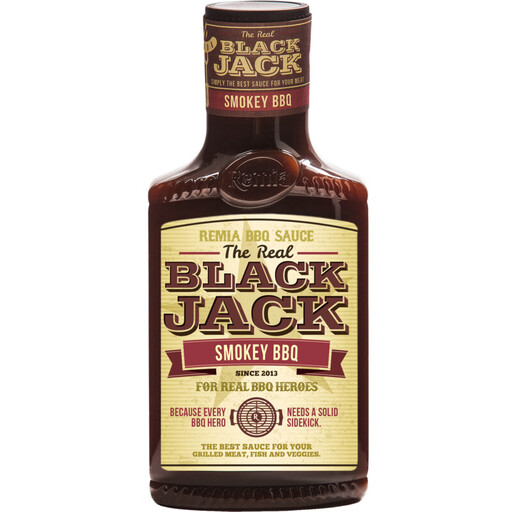
Why this suits the profile: This sauce is an accessible choice for burgers, chicken and classic barbecue dishes. According to the product description, it can also be used as a marinade.
The application is clearly described: serve with BBQ or use as a marinade. The nutritional information states 26 grams of sugar and 2.5 grams of salt per 100 grams, so you can dose the sauce accordingly.
450 ml content, smoky hickory flavour according to the product description, and versatile for burgers, meat and chicken. Contains mustard; check the label if you have allergies.
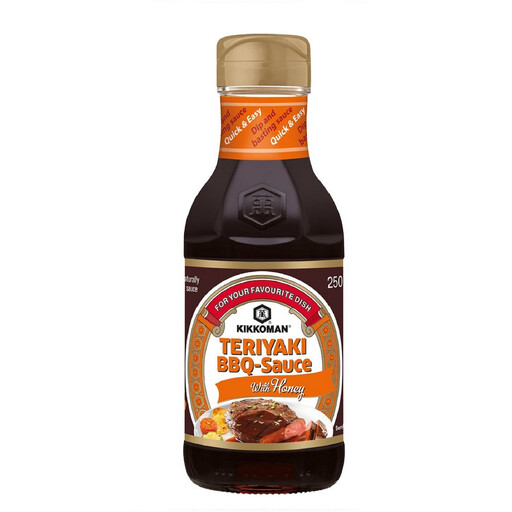
Why this suits the profile: Ideal for anyone who wants one product to use as a flavour enhancer, marinade, dipping sauce and cooking sauce. According to the product description, the sauce is naturally brewed.
The product information lists multiple uses rather than just a general flavour claim. The ingredients list includes water, soya beans, wheat and salt.
250 ml content, 0 grams of fat per 100 grams according to the label, and suitable for meat, fish and vegetables. Contains soya and wheat.
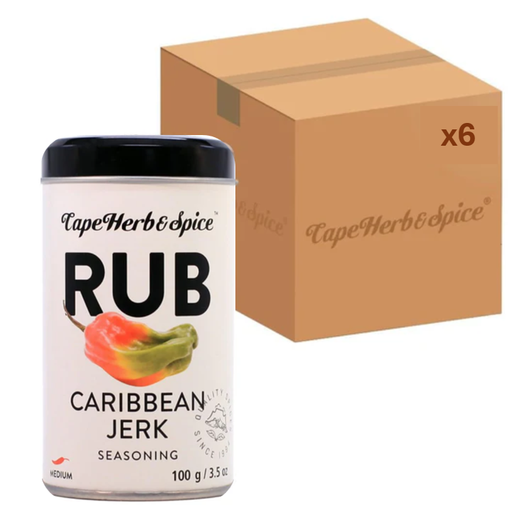
Why this suits the profile: A multi-pack is ideal for households that grill regularly and want to season different ingredients. According to the product description, this jerk rub is suitable for meat, chicken, seafood and vegetables.
The medium chilli indication gives a practical guide to the heat level. The ingredients and proportions are listed, including 40% sea salt and 17% chilli flakes.
Six packs of 100 grams, suitable for grilling, roasting and barbecuing. The mix includes thyme, cinnamon, allspice and black pepper.
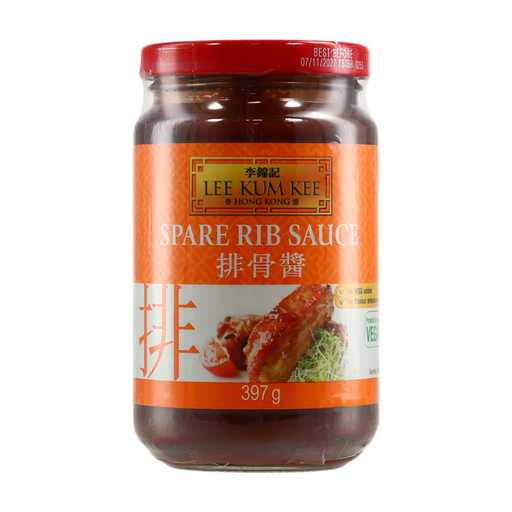
Why this suits the profile: Designed for spare ribs, pork, chops and chicken wings. According to the product information, the sauce is suitable as a marinade, braising sauce and glaze.
The usage instructions recommend applying the sauce during the last 10 to 15 minutes of grilling or roasting. This reduces the risk of the sauce becoming too dark.
397 grams content and multiple cooking methods. Contains wheat, soya and sesame according to the ingredients list; must be refrigerated after opening.
We’ve put together a full, up-to-date list of products that fully meet these strict selection criteria and comply with current European safety regulations.
Brush meat, chicken or vegetables only during the last few minutes of grilling. Sauces with sugar, syrup or glucose can colour more quickly at high heat. For the first part of the cooking process, it’s better to use oil and dry barbecue seasonings.
Always follow the instructions on the packaging. A short marinade of 15 to 30 minutes can be enough for a seasoning mix with oil. For sauces and marinades, a longer marinating time can add more flavour, but always keep raw marinated meat refrigerated and use a clean brush for basting.
Seal dry seasonings airtight and store them in a cool, dry place away from direct sunlight. For sauces, the advice varies by product. Some can be kept at room temperature according to the label, while others need to be refrigerated after opening. So always check the original packaging.
