
Vandaag of morgen in huis

Kwaliteit gegarandeerd

Welkomstaanbiedingen ontgrendelen: GRATIS bezorging | Tot 80% korting | Gratis 30 dagen JoyPlus-proefperiode
Download de app
A bottle of BBQ sauce might seem like a simple choice, but sauces can vary widely in flavour, use and ingredients. A sweet sauce that works well with chicken won’t necessarily suit beef, while a spicy marinade may be too strong for some vegetables. Terms such as “Korean style”, “smoky” or “authentic yakiniku” can also set expectations that don’t suit the dish you’re making.
This buying guide helps you compare BBQ sauces using verifiable information: flavour profile, uses, size, allergens and nutritional values. That way, you can choose the right sauce for meat, chicken, fish, tofu or vegetables.
A sweet BBQ sauce can be an easy crowd-pleaser, but a high sugar content doesn’t tell you how much spice, smoky flavour or umami it contains. According to the product information, Go-Tan Korean Sticky Chicken BBQ Sauce contains 39 grams of sugars per 100 grams. That’s typical of a thick, sweet glaze, but it’s not the same as a dry spice rub or savoury grilling sauce.
Use a sweet sauce mainly as a final layer while grilling or as a topping. Sugar can darken quickly at high temperatures, so it’s best to add the sauce when your food is nearly cooked.
Chilli, wasabi or pepper can add heat to a BBQ sauce, but the intensity varies from one recipe to another. Ajumma Republic Korean BBQ Sauce Spicy contains ingredients including chilli sauce, red pepper and sesame oil. A product with 60% chilli, such as LP Bottle Pack Grilling Dipping Sauce Cumin Flavor, has a very different use profile. It’s better suited to a strong dip, seasoning or addition to a marinade.
So don’t rely on the word “spicy” alone. Check the ingredients and decide whether you want a sweet-and-spicy balance or a pronounced chilli and cumin flavour.
Many Asian BBQ sauces contain soya and wheat because they’re made with soy sauce. Sesame is also a common ingredient. Remia Black Jack lists mustard as an allergen, while Go-Tan lists, among other things, cereals containing gluten, wheat, soya and sesame.
Always check the current label before buying. Product information can change, so the label on the packaging takes precedence. Check the storage instructions too: some bottles need to be refrigerated after opening, while others have a limited shelf life at room temperature.
BBQ sauce can serve several different purposes:
Kikkoman Teriyaki BBQ Sauce with Honey is described as suitable for seasoning, marinating, dipping and cooking. According to its product information, Remia Black Jack is suitable as a BBQ sauce and marinade. A dry mix such as HUASEED Barbecue Dip Original Flavor needs to be prepared differently, so it isn’t directly comparable to a liquid sauce.
Look at the sauce’s main ingredients:
The ingredients list can help you check the marketing claims. If sugar or syrup is listed near the top, sweetness is likely to play a major part. Soy sauce, vinegar, chilli, garlic and ginger give you more clues about the flavour profile.
A large bottle isn’t always better value if you only use the sauce occasionally. For a small household, 180 to 250 ml may be more practical; if you barbecue regularly, 370 to 450 ml could be a better fit.
Compare nutritional values per 100 grams or 100 millilitres. Here are some examples from the product information:
These figures describe the product. The final nutritional value of your meal will also depend on how much you use and what other ingredients you add.
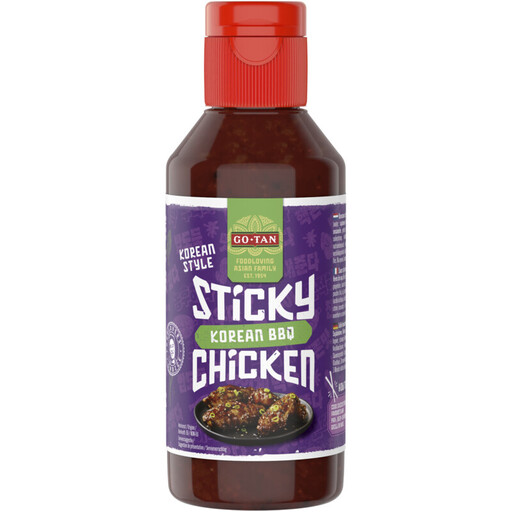
Why it suits this profile: A liquid Korean BBQ sauce for chicken cooked in the oven, in a pan or in an air fryer, and for dipping at the table.
The packaging clearly states how to use the sauce and that it contains 220 ml. Its sweet ingredients are reflected in the nutritional information, so you can choose to use it as a glaze.
Korean style, suitable for use hot or cold, and ideal for drizzling, marinating or serving at the table.
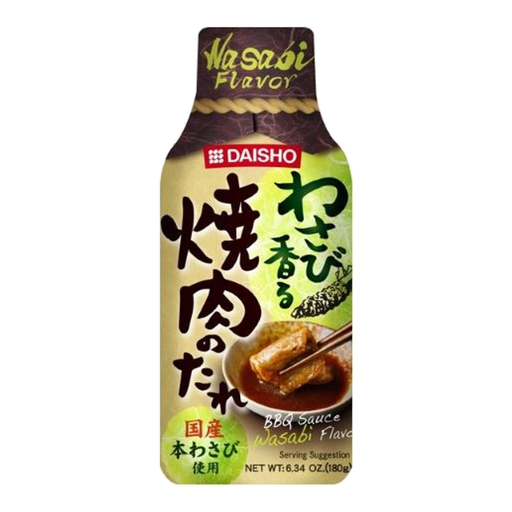
Why it suits this profile: For anyone looking for a Japanese BBQ sauce with a savoury-sweet base and a distinctive hint of wasabi to go with grilled dishes.
The product information specifically mentions grilling, dipping and marinating. The ingredients list includes soya and wheat, so you can check for allergens in advance.
180 grams, with wasabi as a distinctive flavour accent; according to the product description, it contains no artificial colours or preservatives.
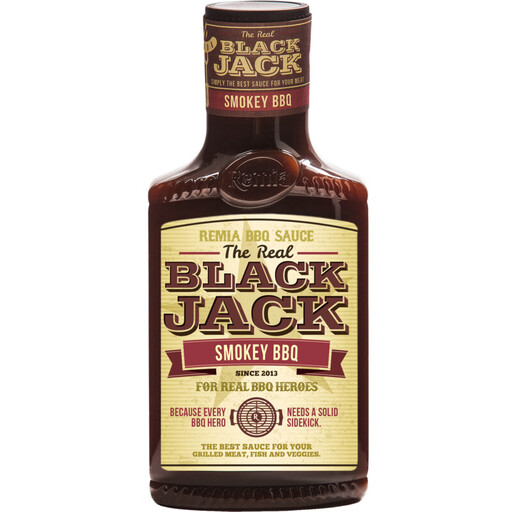
Why it suits this profile: A generously sized bottle for regular barbecues, burgers, grilled meat and use as a marinade.
The product description mentions both BBQ use and marinating. The nutritional information lists 2.5 grams of salt and 26 grams of sugars per 100 grams.
450 ml, with a tomato base, vinegar, molasses and hickory smoke flavouring according to the ingredients list.
We’ve put together a complete, up-to-date list of products that meet these strict selection criteria and current European safety regulations.
Sweet BBQ sauce, sticky chicken sauce and teriyaki sauce often go well with chicken. A Korean-style version with garlic, ginger and chilli adds a distinctive flavour. If the sauce contains sugar, it’s best to add it towards the end of cooking or grilling to stop it from darkening too much.
Yes, if the product description says it’s suitable for this use. Remia Black Jack, Kikkoman Teriyaki BBQ Sauce with Honey and several Korean sauces are listed as suitable for marinating. Set aside a clean portion for serving, and don’t pour used marinade back over cooked food without boiling it first.
It varies by product. Go-Tan states that its sauce keeps for three months at room temperature after opening, while Ajumma Republic Korean BBQ Sauce Spicy should be refrigerated after opening and used within one month, according to the product information. Always check the packaging and follow the storage advice provided.
