
Vandaag of morgen in huis

Kwaliteit gegarandeerd

Welkomstaanbiedingen ontgrendelen: GRATIS bezorging | Tot 80% korting | Gratis 30 dagen JoyPlus-proefperiode
Download de app
A great BBQ sauce can make or break a dish. But the shelves are packed with bottles promising "authentic" flavours and "perfect" results. If you've ever been disappointed by a watery grilling sauce or a marinade that burned instantly, you're not alone. Many sauces aren't what they seem. Let's break down the most common pitfalls so your next purchase is a guaranteed success.
As a Joybuy Product Recommendation Officer, I'm here to help you see through the marketing hype. Here are the pitfalls to avoid:
To avoid buyer's remorse, it's helpful to pay attention to a few objective characteristics. These specifications tell you far more than the front of the label.
The sauce's function determines its ideal composition. Check the ingredients and consistency to determine what the sauce is best suited for.
Korean BBQ sauce for bulgogi is a classic example.grilling sauce is applied towards the end of the grilling time. These sauces are often thicker and contain more sugar (like honey, sugar syrup, or mirin) to caramelise and form a shiny, sticky layer. A Japanese teriyaki sauce or yakitori sauce is typically designed as a glaze.satay sauce, a spicy sauce based on chilli, or even a dry spice mix to dip your grilled meat into.The sauce's origin gives a good indication of the expected flavour profile. Asian cooking sauces offer a huge variety that goes beyond the standard smoke flavour.
teriyaki sauce. Sometimes with a sharp kick, like wasabi.satay sauce popular in the Netherlands and Indonesia.spicy sauce. Ingredients like sugar, honey, syrup, or fruit puree high on the list point to a sweet profile.Below are some popular choices, matched to different preferences and cooking styles.
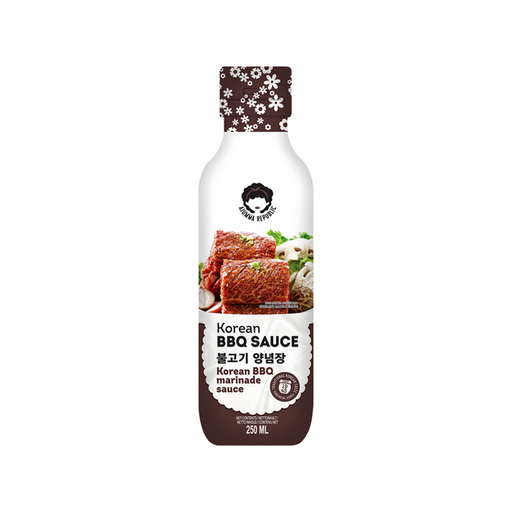
Why This Fits Their Persona: Perfect for those who want to easily try an authentic Korean flavour. This sauce is versatile and ready to use as a marinade for beef (bulgogi) or chicken, or as a flavouring in a stir-fry.
This sauce bypasses the "authentic flavour" trap by using ingredients like pear and pineapple extract. This provides natural sweetness and tenderisation, instead of a generic smoke flavour.
A balanced sweet and savoury profile. The fruit extracts help tenderise the meat, making it a great Korean BBQ sauce for marinating.
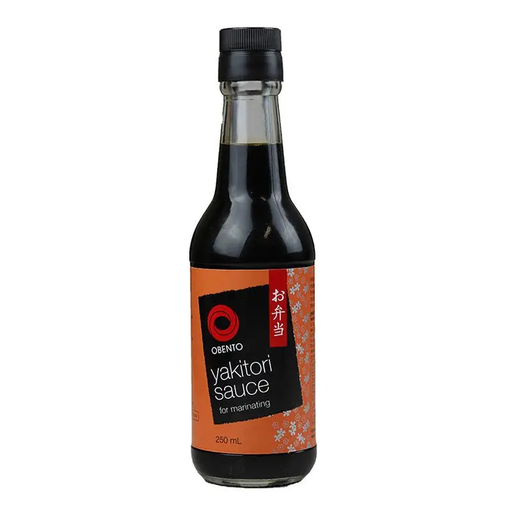
Why This Fits Their Persona: Ideal for the cook who wants to perfect a specific Japanese dish. This sauce is specially developed as a glaze for yakitori (grilled chicken skewers) and provides that characteristic shiny, sweet-and-salty coating.
This isn't a vague "all-in-one" sauce. It's a specialised yakitori sauce, intended for glazing. Its higher sugar content is perfect for caramelisation at the end of the grilling time, not for a marinade that will burn.
Made with mirin and soy sauce, the classic base for an authentic Japanese teriyaki sauce or yakitori glaze. Ensures a perfect, glossy finish.
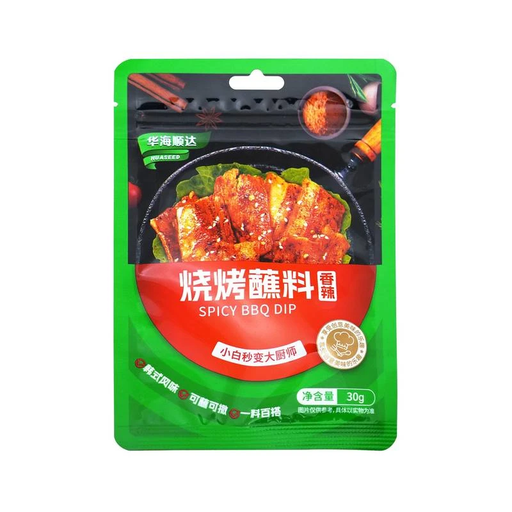
Why This Fits Their Persona: For those who prefer a 'dry rub' or an intense, concentrated flavour. This dry spice mix offers a completely different texture and taste experience than a wet sauce, with a focus on cumin and chilli.
This product avoids the trap of an overly sweet, wet sauce. It's a pure flavouring, not a sauce full of sugar and fillers. Its function is clear: a spicy sauce in powder form to be used as a BBQ dipping sauce.
Offers an intense, concentrated flavour of cumin and chilli. Versatile enough to be used as a dry dip or as a base for creating your own marinade or sauce.
Choosing the right sauce depends on your dish and personal taste. Whether you want to buy a marinade, are looking for a spicy grilling sauce, or need a classic satay sauce, there's always a suitable option.
1. What is the difference between a BBQ sauce and a marinade? A marinade is typically thinner and often contains an acid (like vinegar or citrus juice) or enzymes (from fruits like pineapple or pear) to tenderise the meat and allow flavour to penetrate deeply. A BBQ sauce is often thicker, sweeter, and is usually used as a grilling sauce (glaze) towards the end of cooking or as a dipping sauce afterwards.
2. How do I prevent my meat with BBQ sauce from burning on the grill? The sugars in many BBQ sauces caramelise and burn quickly at high temperatures. The solution is timing. If you're using a high-sugar sauce, like a Japanese teriyaki sauce, apply it only in the last 5-10 minutes of grilling. Turn the meat regularly to get an even, caramelised layer instead of a burnt crust.
3. Can I use an Asian cooking sauce like Korean BBQ sauce for other dishes? Absolutely. A Korean BBQ sauce isn't just for the barbecue; it's a fantastic flavouring for stir-fry dishes with beef or chicken. A bulgogi sauce can also be used as a salad dressing or a dipping sauce for dumplings. Get creative and experiment with these versatile flavours in your kitchen.
