
Vandaag of morgen in huis

Kwaliteit gegarandeerd

Welkomstaanbiedingen ontgrendelen: GRATIS bezorging | Tot 80% korting | Gratis 30 dagen JoyPlus-proefperiode
Download de app
A great barbecue starts with more than just the grill. Choosing the right BBQ herbs and sauces affects how much preparation is needed, how intense the flavour will be and whether a product suits meat, chicken, fish or vegetables. However, comparing the available options can be difficult. Eye-catching packaging reveals little about salt content, allergens or how a sauce should be used.
As a Joybuy Product Recommendation Officer, I filter the most important product information down to practical points. This helps you quickly see which barbecue sauce, BBQ herb blend or barbecue marinade suits your cooking style.
Many grilling herbs contain relatively high levels of salt. For example, Basak Grill Seasoning lists 10 grams of salt per 100 grams. Cape Herb & Spice Smokehouse BBQ Rub contains 37.1 grams of salt per 100 grams. This does not mean you need to avoid these products, but it does mean you may want to use them sparingly and be careful about adding extra salt to your dish.
Sauces can also contain a lot of sugar. According to the product information, Go-Tan Korean Sticky Chicken BBQ Sauce contains 39 grams of sugar per 100 grams. Remia Black Jack BBQ Sauce lists 26 grams of sugar per 100 grams. Its sweet, sticky texture therefore makes it particularly suitable as a glaze or finishing touch, rather than always using it as a generous marinade for every dish.
A dry blend may be intended as a rub, dip or addition to a marinade. A sauce may be suitable for serving cold, brushing on during grilling or marinating before cooking. Always check the instructions for use.
Lee Kum Kee Spare Ribs Sauce, for example, states that the sauce can be used as a marinade, braising sauce or glaze. The product information recommends brushing it over the meat during the final 10 to 15 minutes of grilling or roasting. This helps prevent a sweet sauce from becoming too dark too quickly.
Many Asian marinade sauces contain soya and wheat because they include soy sauce. Teriyaki sauce is therefore not automatically gluten-free. Kikkoman Teriyaki BBQ Sauce With Honey lists soya and wheat as allergens. Go-Tan Korean Sticky Chicken BBQ Sauce also contains sesame. Some herb blends contain peanuts and sesame, such as Huaseed BBQ Seasoning Spicy.
Read the label before buying and using a product. The current packaging is the definitive source of information, especially when cooking for someone with a food allergy.
Nutritional values are generally given per 100 grams or 100 millilitres. This makes comparisons easier, but a typical serving is often smaller. As well as the nutritional information, look at the order of the ingredients: those listed first are present in the largest quantities.
With a blend that is high in salt, you can use less and add garlic, lemon, pepper or fresh herbs if needed. With a sweet sauce, you can limit the amount and use it mainly as a finishing touch.
A herb blend should be stored in a dry, tightly sealed container to help prevent clumping and loss of flavour. Some sauces need to be refrigerated after opening. Go-Tan’s product information states that the bottle can be stored at room temperature after opening for the indicated period; always check the packaging for the latest instructions. Lee Kum Kee and various Korean sauces state that they should be refrigerated after opening.
Damaged packaging, an unclear best-before date or missing allergen information is a reason not to use the product.
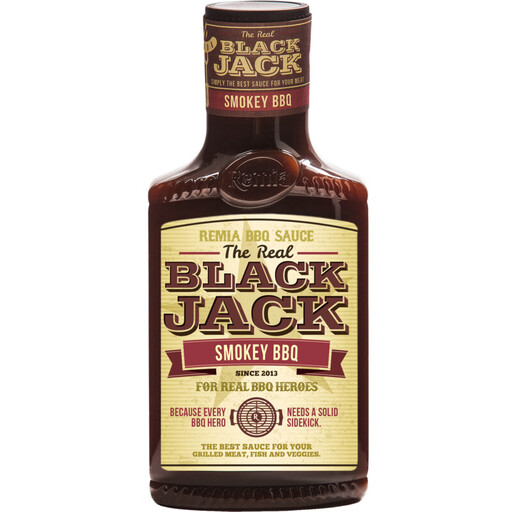
Why it suits this profile: A generous 450 ml bottle for burgers, barbecue dishes and marinading. The sauce is ready to use, with no herbs to measure out.
The product information clearly states that the sauce can also be used as a marinade. However, check for the mustard allergen.
450 ml; smoky hickory flavour according to the product description; suitable as a sauce and marinade.
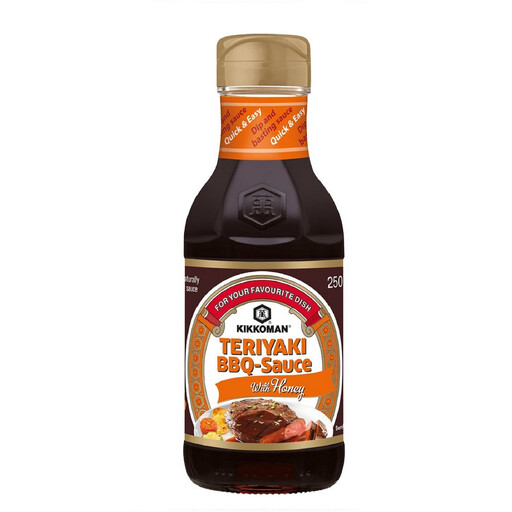
Why it suits this profile: Ideal for anyone looking for one Japanese sauce to use for marinading, dipping, seasoning and cooking.
The uses and allergens are clearly described. According to Kikkoman’s product information, the sauce contains soya and wheat; bear this in mind.
250 ml; multiple uses; according to Kikkoman, made without artificial colourings, flavourings or preservatives.
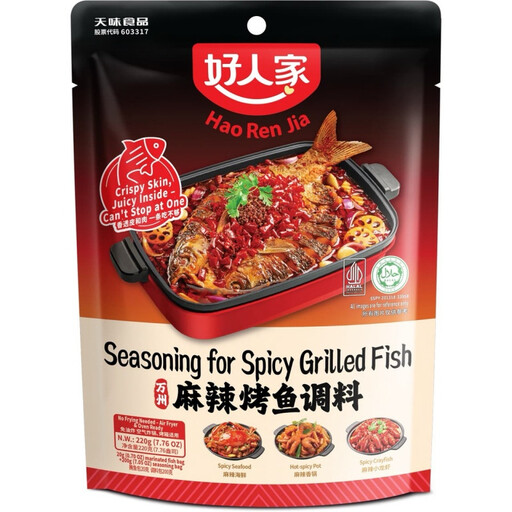
Why it suits this profile: For home cooks who want to prepare Sichuan-style grilled fish with a sauce sachet and herb powder in one pack.
The pack contains two components and provides clear preparation instructions. The product is intended for one fish weighing approximately 1 to 1.5 kg.
220 g; sauce and herb powder together; suitable for grilled fish. Contains soya, flavour enhancers and preservatives according to the label.
We have put together a complete, up-to-date list of products that fully meet these strict selection criteria and the applicable European safety regulations.
BBQ herbs are dry and are usually rubbed onto food before grilling. Barbecue sauce is liquid and is used as a marinade, dip or glaze. A rub generally adds more direct seasoning to the outside, while a sauce often adds sweetness, acidity or smokiness.
This depends on the product. Follow the instructions on the packaging and marinate in the fridge. You can use a sauce that is high in sugar partly beforehand, but it is better to apply the remaining sauce during the final stage of grilling. Do not reuse marinade that has come into contact with raw meat as a dip unless it has first been thoroughly heated.
Unopened products remain suitable for use until the date shown on the packaging, provided you store them in a cool, dry place away from direct sunlight. After opening, follow the manufacturer’s instructions. Seal herb jars tightly and place sauces that require refrigeration straight in the fridge. Check the smell, colour and packaging before use.
