
Vandaag of morgen in huis

Kwaliteit gegarandeerd

Welkomstaanbiedingen ontgrendelen: GRATIS bezorging | Tot 80% korting | Gratis 30 dagen JoyPlus-proefperiode
Download de app
Searching for that unique, soft Japanese cake with its signature layers? Finding the right Baumkuchen online can be a challenge. With various flavors and brands available, it's not always clear which one best suits your taste.
As a Joybuy Product Recommendation Officer, I'm here to guide you. In this article, I'll provide practical tips for choosing the right Baumkuchen and present a selection of popular choices based on their specifications and flavor profiles. This will help you make an informed decision.
Before you make your choice, here are a few key factors to help you find the perfect Japanese cake for you.
Baumkuchen is available in a variety of flavors. Consider your preference. Are you looking for something refreshing? A lemon or strawberry version is an excellent option. Do you prefer a more traditional and delicate flavor? Then a Japanese confection with a milk or vanilla taste might be a better fit. The ingredients list on the product page often provides a good indication of the flavor profile.
A key advantage of many Asian snacks is their convenient packaging. Many Baumkuchen are sold as single-serving cakes, individually wrapped. This is ideal for on-the-go, as a treat with tea, or as a dessert without needing to slice an entire cake. Check the weight in grams to get an idea of the portion size.
The name Baumkuchen means 'tree cake,' a reference to the rings that resemble a tree's annual rings. This layer cake is baked layer by layer. The Japanese version is known for its exceptionally soft, moist, and fluffy texture, which differs from the sometimes firmer German version. Brands like Tokimeki specialize in this specific Japanese style.
Below is a selection of currently popular Baumkuchen. The descriptions are based on information and product specifications provided by the manufacturer.
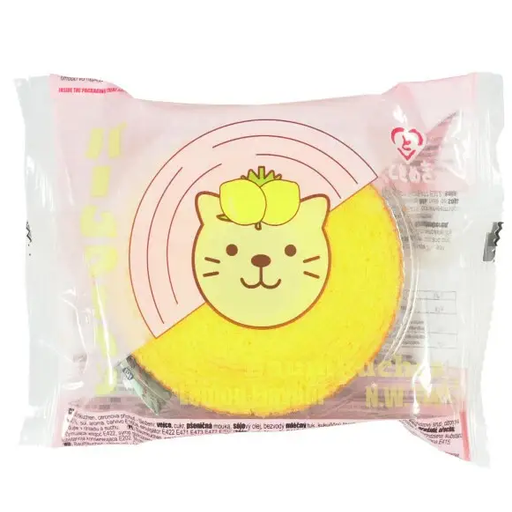
What sets it apart This Tokimeki Baumkuchen combines the traditional soft, layered structure with a fresh lemon flavor. According to the manufacturer, the cake is baked using a thin-layer process, resulting in an extra soft and fluffy texture. The addition of lemon cream provides a light, natural tartness.
Key Features
Who is it for? This is an excellent choice for those who enjoy a refreshing, tangy twist on a classic cake. Perfect as a sophisticated dessert or as a treat with a cup of tea or coffee.
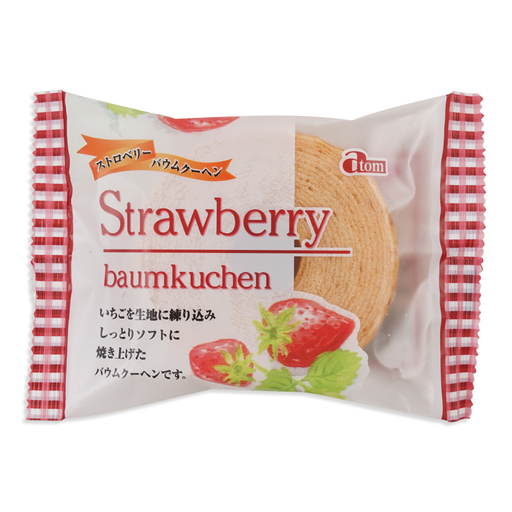
What sets it apart This Baumkuchen stands out with its sweet strawberry aroma and flavor. The product description states that the cake is made with real strawberry puree, ensuring an authentic fruit taste. The texture is described as soft, moist, and subtly sweet.
Key Features
Who is it for? Ideal for those who love fruity and sweet Asian snacks. A great option for tea time, as a dessert, or as a quick, flavorful treat.
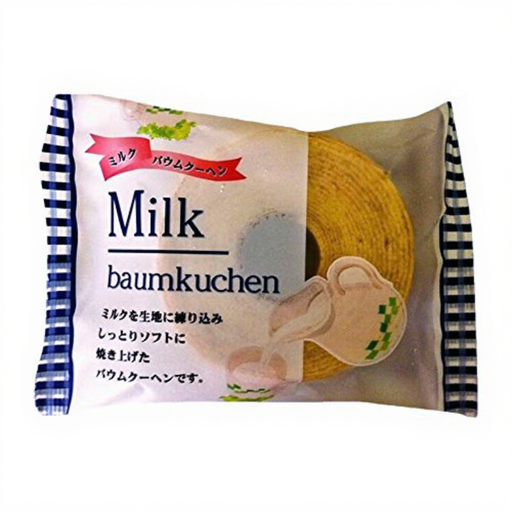
What sets it apart This cake focuses on a creamy, aromatic milk flavor inspired by Japanese baking techniques. The manufacturer states that premium milk is used, resulting in a soft, moist texture. The cake is individually wrapped to preserve its freshness.
Key Features
Who is it for? Perfect for those seeking a subtle, comforting, and classic Japanese confection. Its mild flavor makes it an approachable choice for nearly everyone.
If Baumkuchen isn't quite what you're looking for, or if you're curious about other Asian cakes and sweets, our selection extends beyond just these options. Discover more flavors and types of pastries to suit your taste.
Discover more in our Patisserie and Pastries category
Baumkuchen, literally 'tree cake,' is a layer cake that originated in Germany. The Japanese version is popular for its extremely soft and moist texture. The cake is baked layer by layer on a rotating spit, which creates the signature rings that resemble a tree's annual rings.
Most individually wrapped Baumkuchen, like the single-serving cakes available online, are best stored in a cool, dry place, away from direct sunlight. Once opened, it is recommended to seal the package tightly and consume the cake within a few days for the best flavor and texture. Always consult the storage instructions on the packaging.
Its origins are German, but the cake has become immensely popular and has been further developed in Japan. The Japanese cake version is often less dense and sweet than its German counterpart, with a focus on a light, fluffy, and moist texture. This makes it a unique category in the world of pastries.
