
Vandaag of morgen in huis

Kwaliteit gegarandeerd

Welkomstaanbiedingen ontgrendelen: GRATIS bezorging | Tot 80% korting | Gratis 30 dagen JoyPlus-proefperiode
Download de app
Buying a bathroom and toilet cleaner seems straightforward – until you have to choose between a spray, gel, limescale remover or all-purpose cleaner. A product that works well in the toilet bowl isn’t necessarily suitable for natural stone, taps or shower screens. Marketing claims such as ‘no scrubbing needed’ or ‘hygienically clean’ don’t always tell you how to use the product safely and effectively, either.
Use this guide to compare the key features and avoid making the wrong choice when cleaning your toilet and bathroom.
Bathroom limescale removers and descalers are often designed for tiles, glass, ceramic and bathroom fittings. That doesn’t mean they’re safe to use on marble, limestone, natural stone, damaged enamel or brass. Always check the packaging and, if in doubt, test the product on an inconspicuous area first.
Toilet gel is also designed for the toilet bowl and the area beneath the rim. Don’t automatically use a toilet cleaner like this on a washbasin or shower door.
A fresh ocean, lemon or floral fragrance can make a product more pleasant to use, but it doesn’t tell you whether it removes limescale or soap residue. Instead, check the stated use, contact time, ingredients and any instructions for rinsing or wiping afterwards.
Claims about bacteria or disinfecting properties should be assessed by checking the label. For example, according to Astonish’s own information, the manufacturer claims that Astonish Toilet Fresh Lemon kills 99.9% of bacteria. Use a product like this only as directed on the packaging.
Bathroom cleaners can contain acids, bleach, surfactants or other active ingredients. Never mix a chlorine-based cleaner with a limescale remover or any other cleaning product. This can create dangerous fumes.
Also look out for warnings about skin irritation, eye damage and harm to aquatic life, as well as advice to wear gloves or eye protection. Keep cleaning products out of reach of children and, ideally, store them upright.
The products in this selection come in sizes such as 500 ml, 750 ml, 800 ml or 1 litre. A larger bottle isn’t automatically better value: consider how much you use per clean and how the product is applied.
A larger bottle may be practical for a household with several bathrooms. For occasional use or a small toilet, a compact spray may be enough.
Some products can be rinsed off straight away, while others need to be wiped away or left to work for a few minutes. For stubborn limescale, some manufacturers recommend a longer contact time, but never leave a product on for longer than stated on the label.
According to the product information for Ajax Shower Power, leave the product to work for five minutes on stubborn limescale, then rinse it off. The manufacturer also states that the product must not be used on marble, limestone, old cast-iron baths or damaged enamel.
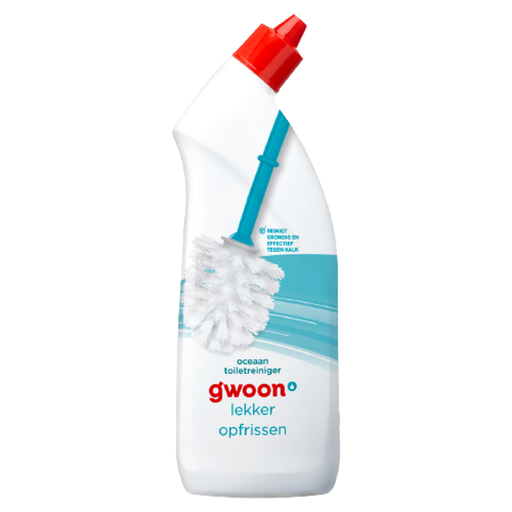
Why it suits this profile: The 1-litre size is a practical choice for regular toilet cleaning. It’s designed for the toilet bowl and, according to the product description, its shape makes it easier to apply.
It’s clearly presented as a toilet cleaner, making it less likely that you’ll use an unsuitable all-purpose cleaner on the toilet bowl. Read the safety information on the label before use.
1-litre size; designed to tackle dirt, limescale and deposits in the toilet bowl; ocean fragrance according to the product description.
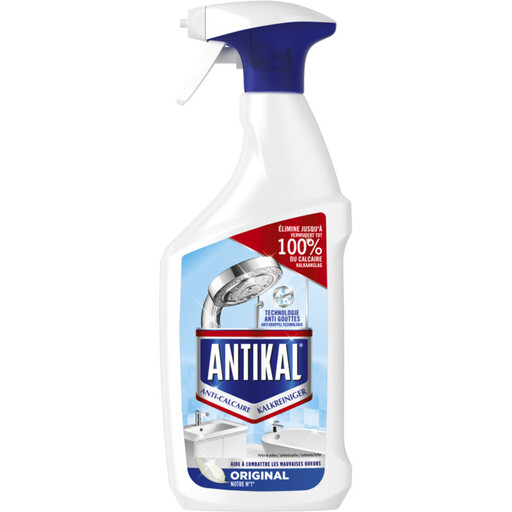
Why it suits this profile: This spray is designed for households where limescale, water marks and soap residue regularly build up, for example in a bathroom with hard water.
The product information specifically lists limescale, soap residue and water marks as suitable uses. Check first that it’s suitable for your surface, and don’t mix it with other cleaners.
800 ml size; designed to tackle limescale and soap residue; the brand states that it features anti-drip technology.
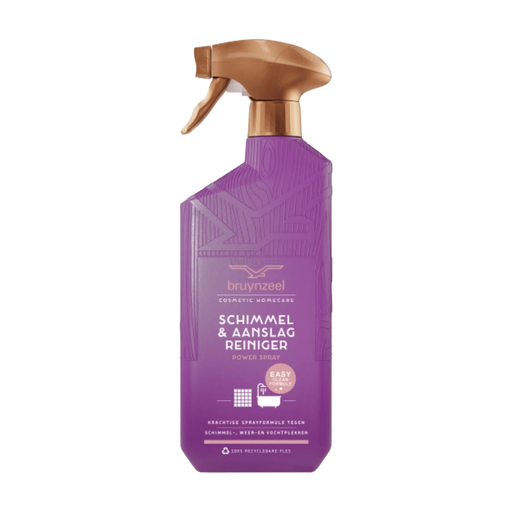
Why it suits this profile: This product is specifically designed to remove mould and stains in damp areas such as toilets, bathrooms, cellars and garages.
It’s not a general-purpose bathroom spray; it has a clearly defined use. The product information says to ventilate the area, spray the product on, leave it to work and rinse it off.
500 ml powerspray; suitable for damp areas; according to the product information, it contains sodium hypochlorite and less than 5% chlorine-based bleaching agents.
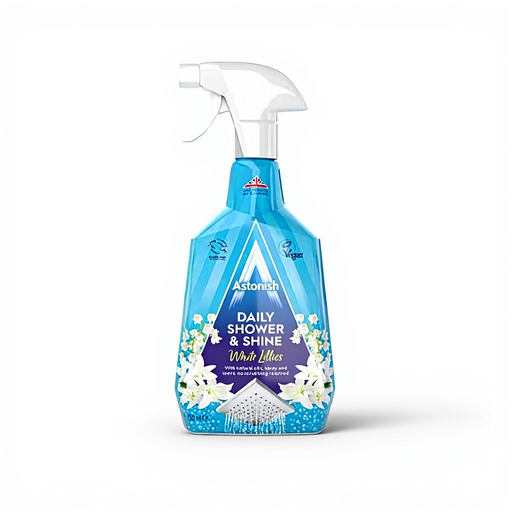
Why it suits this profile: According to the product information, this spray is designed for daily cleaning after a shower. Spray it onto wet surfaces and leave it to dry.
Its intended use is limited and clearly explained. Don’t use it on wood, marble, limestone, brass, textiles or damaged surfaces.
750 ml size; designed for daily shower care; vegan and cruelty-free according to the product information.
We’ve put together a complete, up-to-date list of products that meet these strict selection criteria and comply with current European safety regulations.
Choose a product labelled limescale remover, bathroom descaler or limescale remover. First check that it’s suitable for the material. Don’t use an acidic limescale remover on marble, limestone or other acid-sensitive surfaces.
It depends on how many people use it and how dirty it gets. Regular cleaning with toilet gel or liquid toilet cleaner helps keep new deposits at bay. Always follow the recommended amount and contact time; using a product more often or in larger quantities won’t necessarily give you better results.
Only if the label specifically lists toilets as a suitable use. A daily bathroom cleaner is mainly designed for surfaces such as tiles, shower screens and washbasins. A toilet cleaner with an angled neck or gel formula is generally better suited to the toilet bowl.
