
Vandaag of morgen in huis

Kwaliteit gegarandeerd

Welkomstaanbiedingen ontgrendelen: GRATIS bezorging | Tot 80% korting | Gratis 30 dagen JoyPlus-proefperiode
Download de app
A bathroom storage cabinet might seem easy to choose, until you realise how many models offer too little space, are tricky to assemble or aren’t suitable for a humid room. A slim bathroom cabinet may seem handy, but quickly becomes less useful if large bottles of shower gel won’t fit upright. An open bathroom shelving unit keeps things within easy reach, but does less to keep out dust and splashes.
So don’t focus only on colour and price. Check the dimensions, material, weight capacity and fixing method in particular. Below, you’ll find practical points to consider and a selection of options for different households.
Product photos can make bathroom furniture look more spacious than it really is. So always check the internal dimensions, not just the external measurements. A cabinet with shelves may offer plenty of storage, but low compartments aren’t suitable for tall shampoo or cleaning-product bottles.
Pay attention to the depth, too. A freestanding bathroom cabinet that’s too deep can make a small bathroom feel cramped or block doors and drawers.
Bathrooms are humid, but not every piece of furniture is designed for direct contact with water. MDF, chipboard and other board materials can be damaged by prolonged exposure to puddles or leaks. A raised base helps protect against splashes on the floor, but doesn’t automatically make furniture waterproof.
Follow the care instructions and wipe up spills promptly. Ideally, don’t place a bathroom organiser with suction cups or a wall-mounted bathroom shelf somewhere the material is constantly exposed to water.
A drill-free wall-mounted bathroom shelf may be appealing for rented homes. However, the surface must be clean, flat and suitable for the adhesive strip or suction cup you’ve chosen. Check the maximum load as well. If it isn’t listed, use the shelf only for lightweight items.
An anti-tip device is important for tall or wide cabinets. Put heavier items at the bottom and fit a wall restraint if the manufacturer recommends one.
Measure the available space in three places:
An open shelving unit is ideal if you want to organise towels, baskets and everyday products where you can see them. A model with doors keeps things more out of sight and helps limit dust on the shelves.
Check that the product information clearly states the material. Common materials include MDF, chipboard, steel and wood. The product information for the model in question describes acacia wood as water-resistant, but that doesn’t mean it can be left under water for extended periods.
For metal components, it’s worth checking whether they have a rust-resistant finish. The HaluPeit cabinet’s product description says its metal materials are reinforced and rust-resistant; this is a claim from the brand’s product information, not a guarantee for every use.
A stated maximum load makes it easier to compare products. Distribute the weight across the shelves and don’t put heavy bottles on a high, open shelf. Also check:
A product with a legal minimum guarantee of two years is covered by the applicable EU consumer rules. This is separate from normal wear and tear, misuse or damage caused by moisture that hasn’t been dealt with in accordance with the instructions.

Why it suits this type of buyer: This compact bathroom shelf is ideal for a small bathroom, rented home or basin area with space for just a few everyday essentials.
The dimensions are clearly stated, and according to the product information, it can be fixed in place using the included adhesive strip or suction cups. The maximum load isn’t specified, so use it for lightweight items.
Steel frame, acacia wood shelf and FSC certification stated in the product information. One tier for items such as soap, shampoo and sponges.
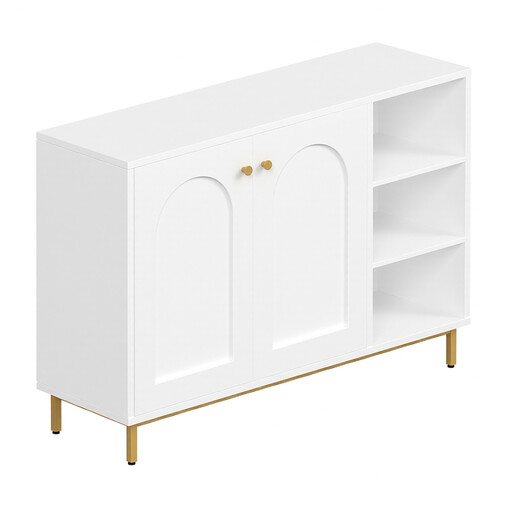
Why it suits this type of buyer: This wider bathroom cabinet combines closed storage with open shelves, making it a good fit for households that want to keep towels, toiletries and decorations separate.
The product description says the cabinet is raised 12.5 cm, keeping the base further away from the bathroom floor. Its moisture resistance is a claim from the brand’s description; don’t place the furniture in standing water.
Three adjustable shelves, two doors and three open shelves. The unit weighs 22,6 kg and comes flat-packed with a fixing kit.
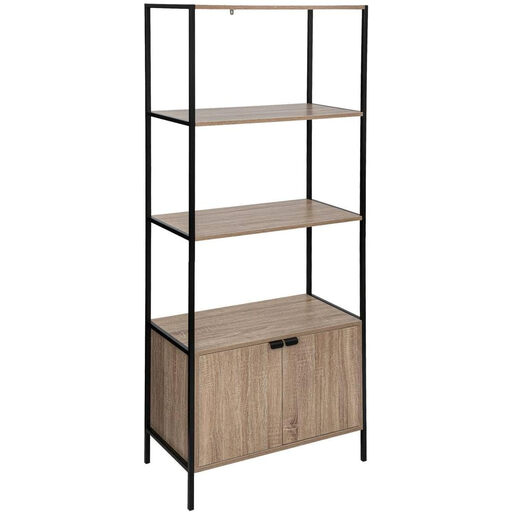
Why it suits this type of buyer: This tall cabinet is designed for households that need plenty of vertical bathroom storage for towels, baskets and toiletries.
The five-shelf layout makes it easy to organise items by category. Before positioning the cabinet, check that you have room for its 176 cm height and set it up securely according to the instructions.
Steel and MDF construction, one door, five shelves and a stated maximum load of 25 kg. The product details include self-assembly and FSC certification.
We’ve put together a complete, up-to-date list of products that meet these strict selection criteria and the applicable European safety regulations.
Start by measuring the available width, depth and height. A slim cabinet or compact bathroom shelf is often more practical than a deep model. Consider which way the doors open, the space you need to move around and the distance from the basin. A wall-mounted bathroom shelf can save floor space, but check that the wall and fixings are suitable.
Wipe the surfaces regularly with a slightly damp cloth, then dry them afterwards. Don’t use harsh cleaning products unless the manufacturer says they’re suitable. Don’t leave wet towels against MDF or chipboard for extended periods, and check the hinges, adhesive strips and fixing points from time to time.
An open shelving unit gives you quick access to everyday products and works well for towels or baskets. A cabinet with doors keeps toiletries more out of sight and helps reduce dust. For a shared bathroom, a combination of open and closed storage is often practical: keep everyday items at the front and spares behind the doors.
