
Vandaag of morgen in huis

Kwaliteit gegarandeerd

Welkomstaanbiedingen ontgrendelen: GRATIS bezorging | Tot 80% korting | Gratis 30 dagen JoyPlus-proefperiode
Download de app
Bathroom scales seem simple: step on, read your weight and you’re done. But models can vary considerably in how they work, what they measure and how much maintenance they need. A low price doesn’t mean much if the scales are unstable on carpet, the display is hard to read or you rarely use the app.
If you’re looking for digital bathroom scales, smart scales or body composition scales, it’s worth getting to know the main pitfalls first.
A display that shows weight in increments of 0.05 or 0.1 kg doesn’t mean every reading will be equally consistent in all conditions. The surface, your posture and the time of day can all affect the result. That’s why bathroom scales should be placed on a hard, flat and dry floor. Sensors may respond differently on carpet or a soft bath mat.
For useful comparisons, weigh yourself in similar conditions each time, for example at the same time of day and wearing similar clothing.
Body fat scales often use bioelectrical impedance analysis, also known as BIA. This technology uses an electrical signal and user details that you enter or save to calculate estimates. Hydration, skin contact and the time of the measurement can all affect the result.
Use these readings mainly to track changes over time. They aren’t intended for medical diagnosis. If you have a pacemaker, defibrillator or other implanted electronic medical device, avoid the BIA function or seek medical advice first, as directed by the product information.
Bluetooth, automatic user recognition, dozens of body measurements and an app can all sound appealing. In practice, these features are most useful if several members of your household want to track their data regularly. If you just want to weigh yourself each day, a basic set of electronic scales is often the more sensible choice.
Also check whether batteries are included, which app you’ll need and whether it’s compatible with your smartphone.
Don’t just look at the smallest measurement increment. Check the maximum weight capacity in particular. For families or frequent users, 180 kg scales may be a practical choice. According to the product specifications, the Sparoma AD-26 models and several smart models in this guide have a capacity of up to 180 kg.
Bear in mind that the maximum capacity isn’t a recommendation to use the scales right up to that limit. Exceeding it can damage the sensors.
Whether you choose scales with an LED display or an LCD screen, you should be able to read it easily while standing normally. A bright display is useful in a dark bathroom, but check its position and the size of the characters too. A hidden colour display can show extra information, while a simple LCD display may be less distracting.
Tempered glass, ABS and stainless steel are common materials. Glass is easy to clean, but can still break if dropped or hit hard. Use a soft, dry or slightly damp cloth, and never immerse the scales in water. A bathroom isn’t automatically a suitable place for them if the device is likely to get very damp.
For consistent readings:
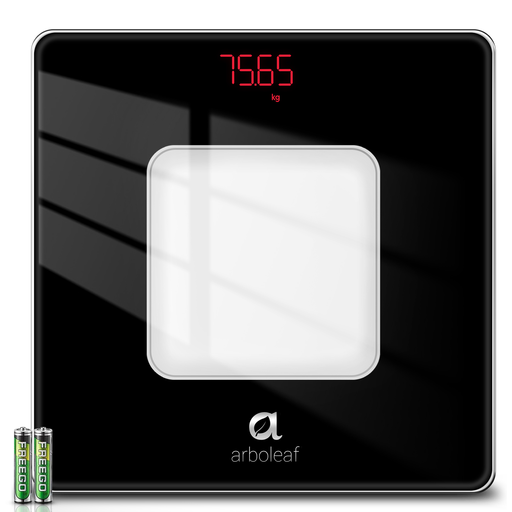
Why it suits this type of user: These digital bathroom scales focus on basic weight readings and don’t need to be set up. They’re a good fit if you want to weigh yourself quickly, without an app or body composition analysis.
The features are straightforward, with no unused app functions or unclear body composition claims. You’ll still need to place the scales on a hard, flat surface.
LED display, tempered glass platform, kg readings and instant measurements with no set-up required.
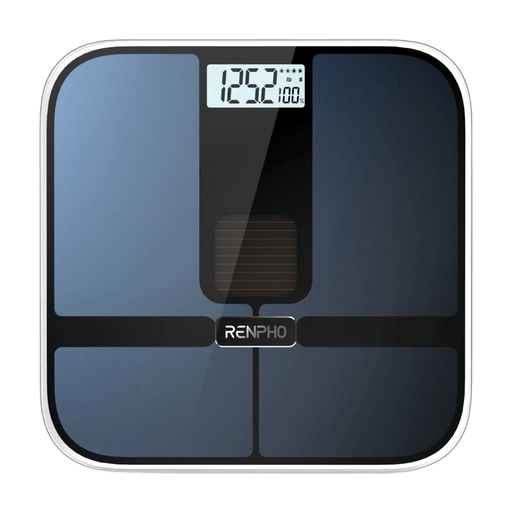
Why it suits this type of user: With solar cells, Bluetooth and automatic user recognition, these scales are a good choice for households that want to track their data regularly in an app.
The product description lists 13 body measurements and BIA technology. Treat these readings as a way to track trends, not as a medical diagnosis.
According to the product specifications, they run on solar power, sync via Bluetooth and support multiple users.
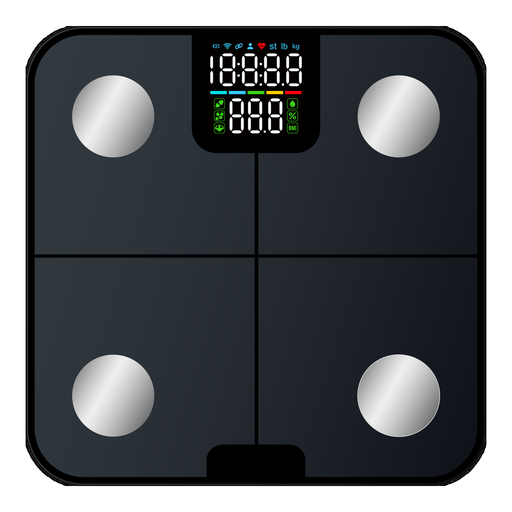
Why it suits this type of user: According to the product information, these Bluetooth scales give sports enthusiasts and anyone keen to track lots of data 25 body measurements and a capacity of 180 kg.
The many features are clearly specified, but they require good foot contact, a flat floor and a connected app. If you only want to measure your weight, you may not need these extra features.
LED colour display, Bluetooth Low Energy 5.4, 180 kg capacity and a stated measurement increment of 0.05 kg.
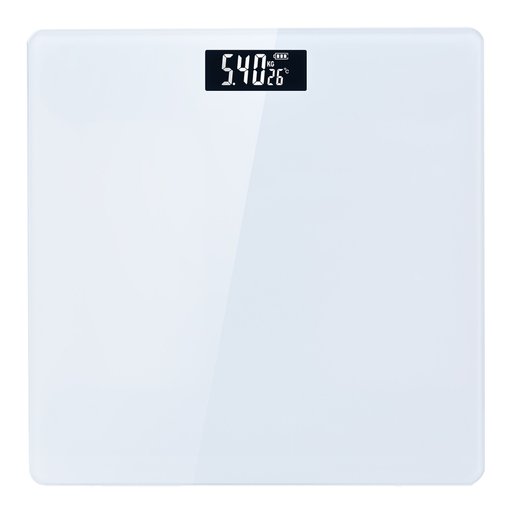
Why it suits this type of user: These simple electronic scales have a measurement range of up to 180 kg, making them a good fit for households looking for a straightforward set of basic scales.
The product specifications describe simple operation with no app. That means you won’t pay for features you may not use, although the floor you place the scales on will still affect how consistent the readings are.
180 kg capacity, 0.05 kg measurement increments, 4 mm tempered glass and kg/lb conversion, according to the product information.
We’ve put together a complete, up-to-date list of products that meet these strict selection criteria and current European safety requirements.
Place the scales on a hard, flat and dry floor. Weigh yourself at the same time, stand still and distribute your weight evenly. If you’re using body composition scales, keep the conditions the same for every measurement.
Their lifespan depends on how they’re used, the batteries, exposure to moisture and the condition of the glass platform. Clean them with a soft cloth, keep water out of the casing and don’t leave heavy objects on the platform for long periods. Replace the scales if they develop cracks, have unstable feet or give inconsistent readings for no clear reason.
That depends on how you’ll use them. Bluetooth and an app connection are useful if you want to track your weight and body data over time, or if several people in your household will use the scales. If you only weigh yourself occasionally, a basic set of digital bathroom scales with an easy-to-read display will do the job.
