
Vandaag of morgen in huis

Kwaliteit gegarandeerd

Welkomstaanbiedingen ontgrendelen: GRATIS bezorging | Tot 80% korting | Gratis 30 dagen JoyPlus-proefperiode
Download de app
A bathroom cleaner spray seems simple: spray, wipe and you’re done. But products can vary significantly in how they’re used, what they contain and whether they need rinsing afterwards. A limescale remover won’t necessarily work well on mould, while a powerful degreaser may not be suitable for chrome or natural stone.
This guide compares bathroom sprays, bathroom limescale removers and general bathroom cleaners, using verifiable product information. That way, you can avoid buying the wrong product and choose a cleaning spray that suits your bathroom and cleaning routine.
Soap scum, limescale, grease and mould don’t always need the same formula. An anti-limescale spray targets mineral deposits, while a degreaser is designed to loosen oily dirt. So first, work out what you need to tackle.
Terms such as “works instantly”, “hygienically clean” or “no scrubbing required” don’t tell you everything about how to use a product. Check the recommended contact time, whether you need to rinse it off and which surfaces it’s suitable for. According to Astonish’s product information, the Daily Shower Cleaner should be left to dry after spraying, while a product such as 3G Professional Bathroom Cleaner should be wiped off with a damp cloth or sponge.
Not every bathroom cleaner is suitable for natural stone, wood, damaged surfaces or textiles. For example, Astonish’s product information says not to use the cleaner on textiles, wood, brass, limestone or marble. Antikal states that the product may cause skin and eye irritation. Always read the label, and test the product on an inconspicuous area first if you’re unsure.
For everyday cleaning, a mild bathroom spray for the sink, tiles, shower screen and bathroom fittings is often enough. If you can see limescale, look specifically for a bathroom limescale remover, bathroom descaler or spray for limescale.
Look out for these descriptions:
Check whether the spray is suitable for the materials in your bathroom, such as ceramic tiles, plastic, stainless steel, chrome and glass. A tile cleaner may work well on ceramic, but that doesn’t mean it’s safe to use on marble or limestone.
Never use a product on a surface that the label says to avoid. For delicate taps and shower fittings, keeping contact time short and rinsing thoroughly is often important. Always follow the manufacturer’s instructions.
The bottle size determines how many cleans you’ll get from it. You’ll find sprays in sizes such as 500 ml, 650 ml, 750 ml and 800 ml. A larger bottle is handy for daily use, but check the recommended amount and how to use the product too.
Also look out for:
Never mix cleaning products. Combinations involving chlorine can produce dangerous fumes.
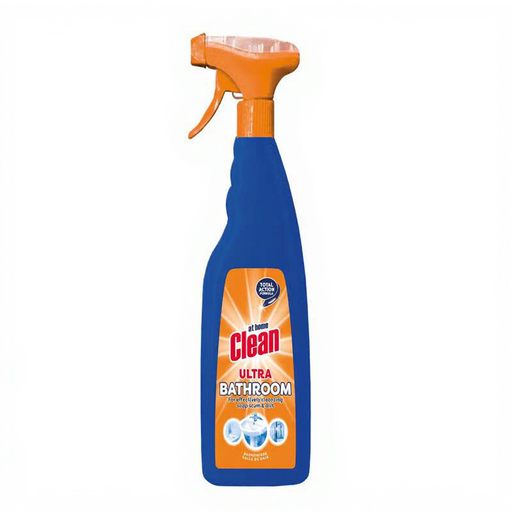
Why it suits this profile: This bathroom spray comes in a 750 ml bottle and, according to the product description, is specifically designed for cleaning bathrooms. That makes it a straightforward choice for regular upkeep.
The clear product category helps you avoid accidentally choosing a carpet or furniture cleaner for bathroom fittings. Check the label before use to confirm exactly which surfaces it’s suitable for.
750 ml bottle; described specifically as a bathroom spray; suitable for a simple cleaning routine.
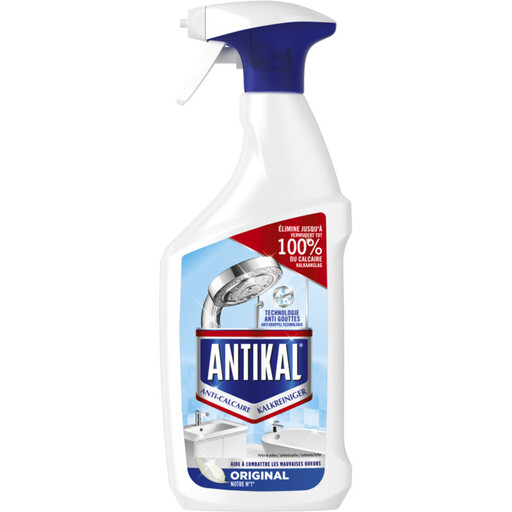
Why it suits this profile: If limescale, water marks and soap scum are your main concerns, this dedicated limescale remover is designed to tackle them.
Its purpose is clearer than that of a general-purpose cleaner: the product information mentions limescale, soap scum and water marks. Don’t use it on materials listed as unsuitable, and don’t mix it with other products.
800 ml bottle; a limescale remover; described as suitable for regular bathroom use.
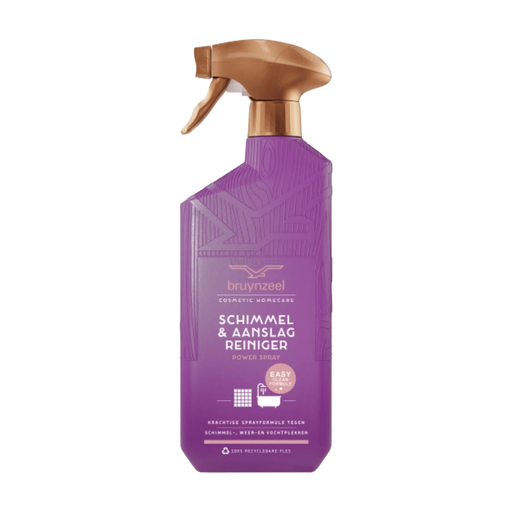
Why it suits this profile: According to the product information, this cleaner is designed for damp areas such as toilets, bathrooms, garages and cellars. It can be used on surfaces including tiled walls, grout and ceilings.
The instructions are clear: ventilate the room, spray, leave the product to work and rinse it off. According to the product information, the formula contains sodium hypochlorite and sodium hydroxide, so follow the warnings carefully.
500 ml Powerspray; designed for mould and stain removal; described as suitable for damp areas.
We’ve put together a complete, up-to-date list of products that meet these strict selection criteria and comply with current European safety regulations.
For everyday upkeep, a spray such as Astonish Daily Shower Cleaner may be suitable. According to the product information, you apply it to wet surfaces after showering and leave it to dry. For more stubborn dirt, a product specifically designed for limescale or mould may be a better choice.
Choose a product clearly labelled as a limescale remover, anti-limescale spray or bathroom descaler. The product description for Antikal Original Limescale Remover Spray mentions limescale, soap scum and water marks. Always check that the product is suitable for your tiles, taps and shower screen.
It depends on ventilation, water hardness and how often the bathroom is used. You can remove light dirt regularly with a daily bathroom cleaner. If you live in a hard water area, it’s best not to let limescale build up for weeks. Follow the label instructions for how often to use the product and how to apply it.
Not necessarily. Some products are multi-purpose, but a bathroom cleaner may contain ingredients that aren’t suitable for food-contact surfaces, natural stone or delicate materials. Only use it outside the bathroom if the manufacturer explicitly says it’s suitable.
